
If you also have a furry friend at home who makes your life calmer every day, you are surely already used to taking care of him regularly: you brush him, cut his nails, dry his ears and wash him regularly. But without realizing it, some areas remain constantly in the shadows. These areas do not seem to require attention, but unfortunately they can hide minor discomfort, irritation, pain or even unwanted behavior. What are these?
1. The paws
The paws are perhaps the most worked parts of the dog’s body and, paradoxically, among those least controlled in detail. We notice it when we cut our nails or perhaps when we play with our quadrupeds, but the space between our toes is often ignored. Grass clippings, dried threads, small pebbles or seeds can enter here. Some resolve on their own while others remain firmly in place and over time can irritate the skin, causing itching, redness or even local infections.
If your four-legged friend often licks his paws or bites the area between his toes, it’s not necessarily a tic. He might feel something there. This is why a simple check, carried out periodically, can prevent more serious problems.
Then there are the pillows. On summer days the quadruped’s pads can dry out and crack, especially after long walks on hot asphalt. But it’s not just summer that causes sensitivity, because winter also presents its risks. Therefore, in winter, pillows can suffer from salt or ice. An inflamed pad is not always visible, but our furry friend feels it. And since it cannot speak, you will be able to see how the quadruped begins to walk differently, to take a slower step, to avoid stepping on that paw. In such situations, a simple check, gentle wiping with a damp cloth, pad protection cream or pad care balm applied as needed, can relieve pain and protect pads.
2. The area under the tail
The area under the tailbone is most likely the area you approach with hesitation, but it requires a little more attention usually receives This area can accumulate dirt, tangled fur and moisture, especially in dogs with long, thick fur. And if your four-legged friend has recently had an episode of diarrhea, you need to pay even more attention.
So, if you see your four-legged friend rubbing himself against the floor or persistently licking that spot, it could be a sign that something is bothering him. In this case, a thorough check, possibly accompanied by cutting excess hair, delicate drying with a damp handkerchief upon returning from outside, and a weekly check-up, can prevent discomfort and unpleasant odors.
3. Underarms and area between the thighs
The armpits and the area between the thighs are the areas that rarely enter the normal care routine, perhaps because they are more sensitive and because they are not always visible. Well, these areas must be checked periodically because the skin in these points is respectively finer, more sensitive and is subject to constant friction.
Gentle brushing in these areas, done regularly, can prevent fur tangles and quickly signal any changes. There is no need for insistence or pressure, just pass with the brush or hand and pay attention to the quadruped’s reaction. If he pulls away or becomes agitated, it could be a sign that something is bothering him. Also check for redness and see if your furry friend insists on licking the area. These are subtle signs, but should be taken seriously.
4. Skin folds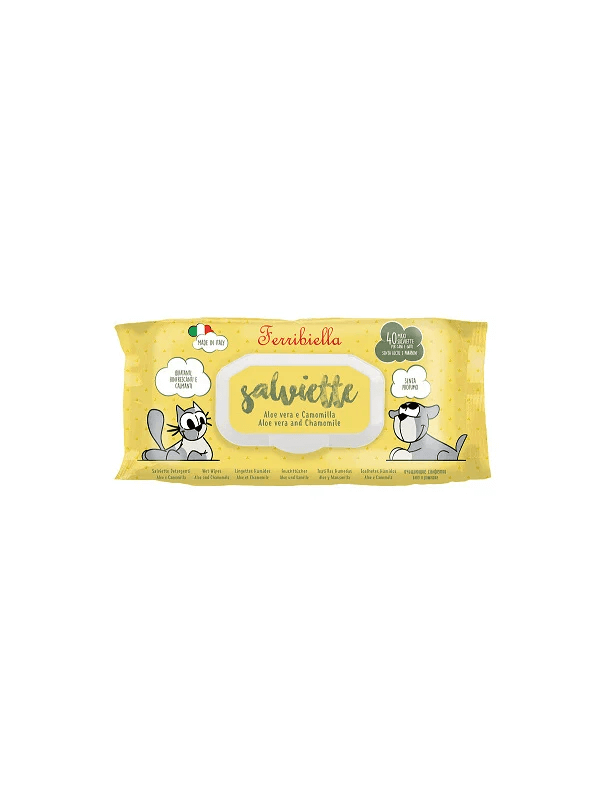
Obviously, not all dogs have visible creases, but for those that do, such as Bulldogs, Shar-Peis or Pugs, checking and caring for these creases becomes an essential part of their grooming routine. These areas, by their nature, retain moisture, dust, external debris and natural secretions which can subsequently lead to bacterial growth.
So, a soft pad or cloth soaked in chlorhexidine may be sufficient for gentle cleaning without aggressive scrubbing. But the part that many owners skip is the drying. If the area remains wet, the risk of irritation increases significantly. A simple wipe with a floppy disk or a soft towel adequately completes the care ritual.
You can introduce this gesture in a moment of relaxation, after a walk or in the evening, before going to bed. It doesn’t take long, and the dog learns to accept it, especially if it is done calmly, with a delicious reward and an extra lovemaking session. And, if you notice that he rubs his face more often or shakes his head for no reason, also take a look at the creases of his face because discomfort can be hidden there too.
latest posts published

Diabetes in dogs and cats

Car travel with pets: prepare for the journey

7 questions to consider when you want to get a dog
How to protect your pet on hot summer days

Domestic dangers for dogs
The best Julius K9 harnesses and leashes for fun summer days

Common diseases of cats. Causes and symptoms

How to take care of your four-legged friend during the holidays
How to help your dog deal with the fear of driving?
