

Pets provide us with an endless source of joy, comfort and unconditional love. Not only do they keep us company, but they also have positive effects on our mental and physical health. Did you know that there are studies that have shown that having a pet can reduce stress, lower blood pressure and even improve overall well-being? It’s no wonder that more and more workplaces and public spaces are becoming pet-friendly, recognizing the benefits of their presence.
Dogs are known for their loyalty and affection, always eager to demonstrate their love and defend their owners, regardless of the situation or possible dangers. Dogs also make great exercise companions, making them ideal for people who want to stay active. On the other hand, cats are often prized for their independence and grace. They can be extremely affectionate and loving, but only when they want to, but at the same time they need space and time to explore the world around them. Whether it’s a dog jumping up and down with joy or a cat purring contentedly in your arms, pets have a special way of making us feel loved and appreciated. But just like humans, they have their own unique personalities, good and bad, and sometimes behaviors that can take us by surprise.
For example, have you seen how every bush needs to be smelled, every squirrel tracked down, and every puddle explored by your dog? In contrast, cats are natural hunters. You will notice how they carefully observe each flight of a fly or how they prepare their attack on a feathered toy. These behaviors are not only fun, but also a way for our pets to express their personality and well-being.
However, pets can also develop behaviors that become problematic. It is important to understand that these problem behaviors are often their ways of communicating or responding to external stimuli and we, as loving owners, need to know and understand them.
1. Aggression
Aggression in pets, whether we are talking about dogs or cats, is a complex and often challenging problem for owners. This can be caused by a variety of factors, including fear, territoriality, pain or previous negative experiences.
There are different types of aggression, each with its own causes and manifestations. Fear of aggression occurs when an animal feels threatened and tries to defend itself. New situations, loud noises or the presence of strangers can trigger this type of behavior, which manifests itself as barking, growling or attempts to hide. Territorial aggression instead, it is linked to the animal’s desire to protect its territory, be it the house, the yard or the favorite walking place. This type of aggression manifests itself with aggressive barking and attacks on perceived intruders.
Another common type of assault is dominant which occurs when an animal tries to establish its social status in relation to other animals or humans. This manifests itself as growling, rigid posture, and attempts to control the behavior of others. Pain-induced aggression it is also a common problem. Animals suffering from pain or physical discomfort may react aggressively, trying to defend themselves from possible painful touches.
To manage and correct aggressive behaviors it is important to consult a veterinarian identify possible health problems that contribute to aggression.
Appropriate treatment of these conditions can significantly reduce aggressive behaviors. Furthermore, in such situations, training and socialization they are crucial. Professional training and socialization help animals feel comfortable around other animals and other people, thus reducing fear and defensive behaviors.

2. Separation anxiety
Separation anxiety is a common problem in pets, especially dogs, but it can also affect cats. This manifests itself as an intense state of stress and discomfort when the animal is left alone. Behaviors specific to separation anxiety include anger, destructive behaviors, excessive vocalizations, inappropriate urination and defecation, and even escape attempts.
The causes of separation anxiety are varied and include past negative experiences, lack of early socialization AND strong emotional bonds formed with their owners. Animals that have been abandoned or have undergone frequent changes of owner are more prone to this problem. Additionally, animals that have not been exposed to short periods of separation in the first few months of life may develop excessive dependence on the owner’s presence.
Managing separation anxiety involves several effective strategies. Create a comfortable space for the pet with favorite toys and cribs, it can help reduce stress. Physical and mental exercise Regular exercise is essential for burning excess energy and preventing destructive behaviors. Desensitization and counterconditioning techniques can be very useful, which involve gradually exposing the animal to short periods of separation and associating departures with positive experiences. Last but not least, maintaining a daily routine stability gives the animal a sense of predictability, thus reducing anxiety.

3. The problem of urination and defecation at home
The problem of urination and defecation in the home is common in both dogs and cats and can be a major source of frustration for owners. This problem can have multiple causes, including f medical, behavioral or environmental actors . Identifying the cause is essential to applying the right solutions and bringing order to the home.
One of the first actions you should check when you encounter this problem is consultation of a veterinarian. Health problems such as urinary tract infections, kidney disease or diabetes can cause frequent and uncontrollable urination in pets. Gastrointestinal problems can also lead to inadequate defecation. It is important to rule out any medical conditions that could contribute to this behavior.
For dogs, inadequate training or lack of a consistent routine can be a major cause of urination and defecation in the home. Young puppies who have not been properly trained to defecate outside will have difficulty understanding which location is appropriate for these needs. Also, stress and anxiety can cause uncontrolled urination and defecation in pets. Changes in the environment, such as moving to a new home, the arrival of a new family member, or even changes in daily routine, can trigger this behavior. It is important to maintain a stable, predictable environment for your pet and try to minimize stressors.
For cats, make sure the litter box is always clean and accessible. Some cats are very particular about the cleanliness of their litter box, and a dirty spot can cause them to defecate elsewhere. Furthermore, correctly positioning the litter box in a quiet place, away from noise or heavy traffic, can encourage its use.

4. Chewing and gnawing on objects
Chewing and gnawing on objects is a common problem in pets, especially dogs, but also some cats. This behavior can be caused by various reasons, from boredom and anxiety until natural physiological needs like teething in puppies. When pets don’t have enough mental and physical stimulation, they may start chewing on household objects to occupy their time. This is a way for dogs and cats to use stored energy and satisfy their need for activity.
Providing a variety of chew toys is essential. These can include durable rubber toys, special chew bones, and interactive toys that release rewards. Toys help channel the urge to chew in a safe and constructive way.
Additionally, the use of special sprays that have an unpleasant taste to animals can discourage chewing on prohibited items. Applying these products to the objects you want to protect your pet from can be effective.
latest posts published

Diabetes in dogs and cats

Car travel with pets: prepare for the journey

7 questions to consider when you want to get a dog
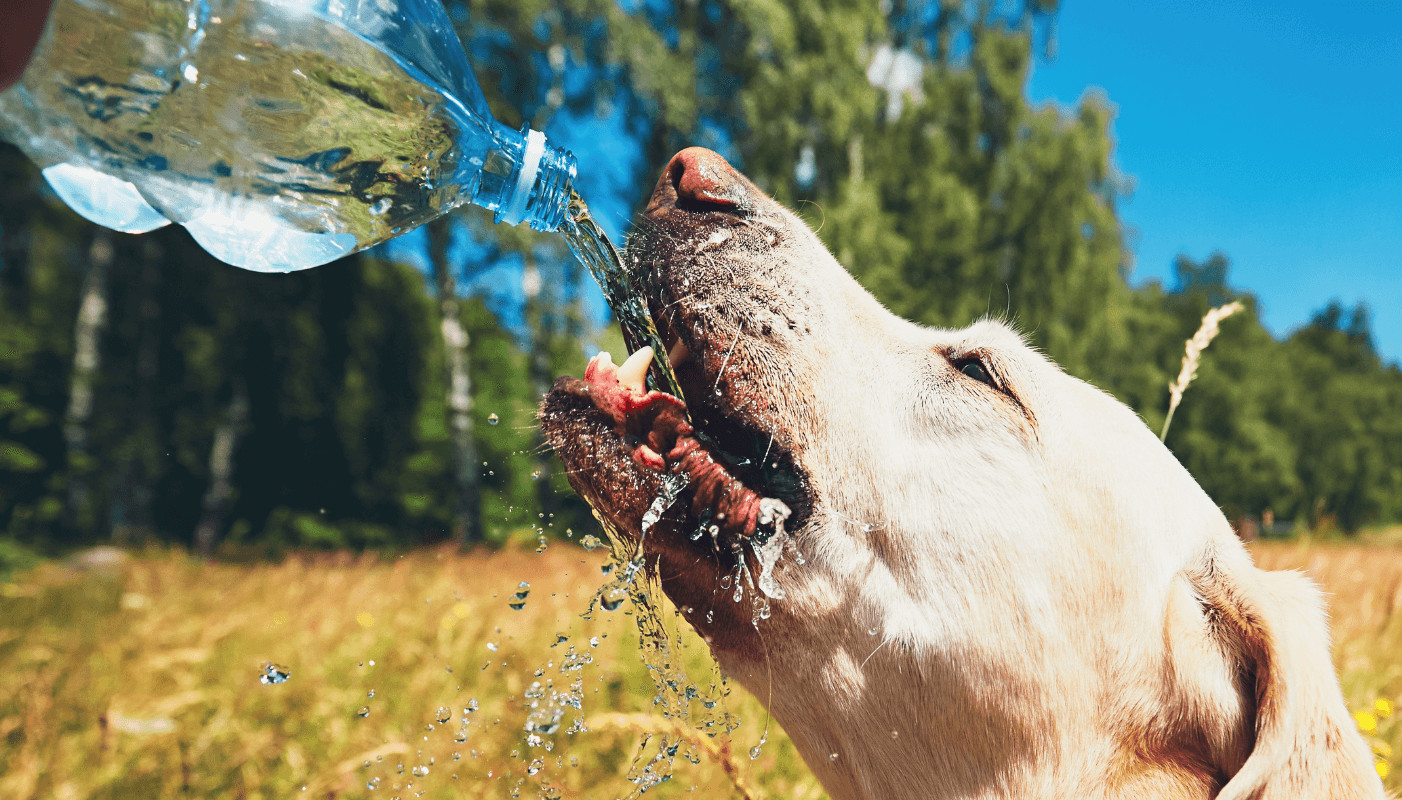
How to protect your pet on hot summer days

Domestic dangers for dogs | Here are the most common household risks for dogs

The best Julius K9 harnesses and leashes for fun summer days

Common diseases of cats. Causes and symptoms

How to take care of your four-legged friend during the holidays
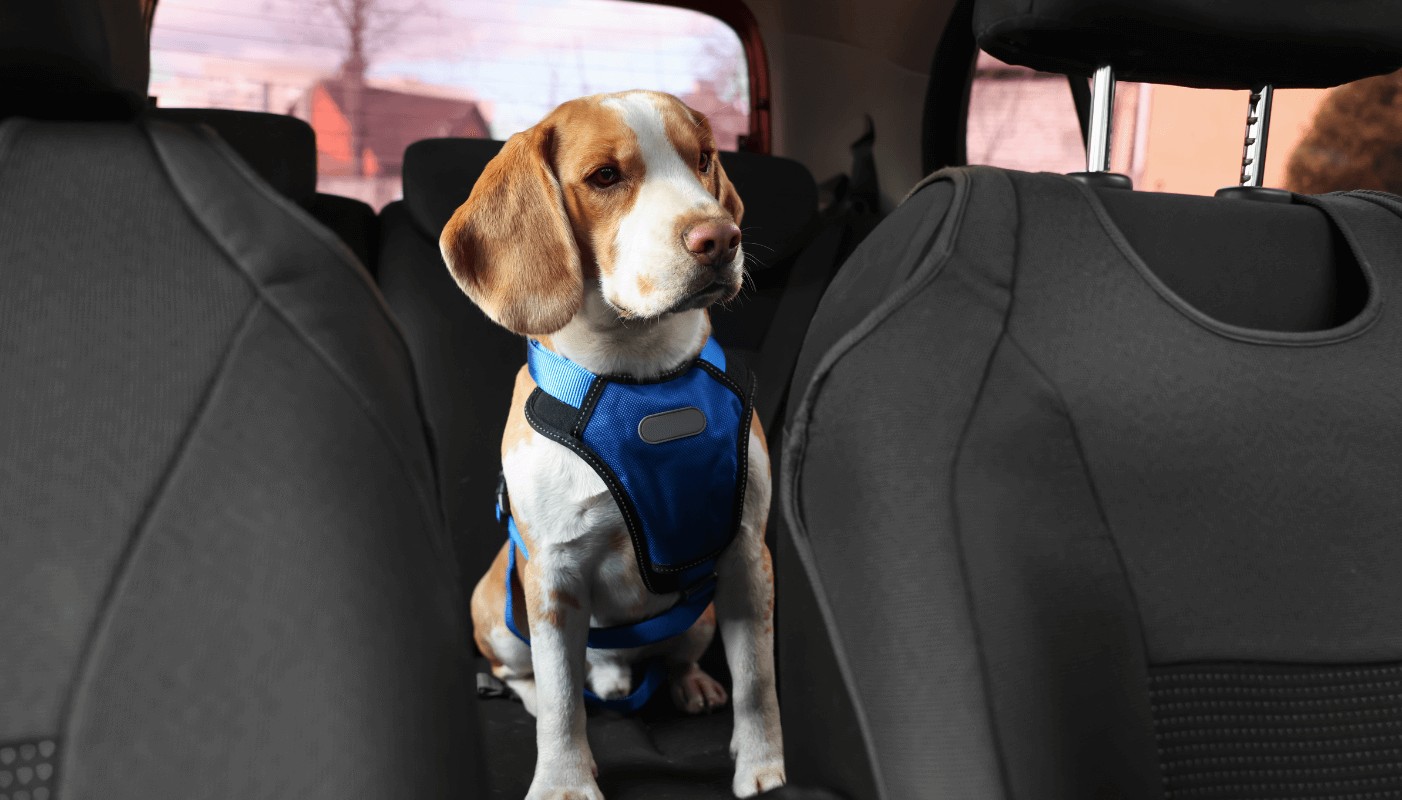
How to help your dog deal with the fear of driving?
