
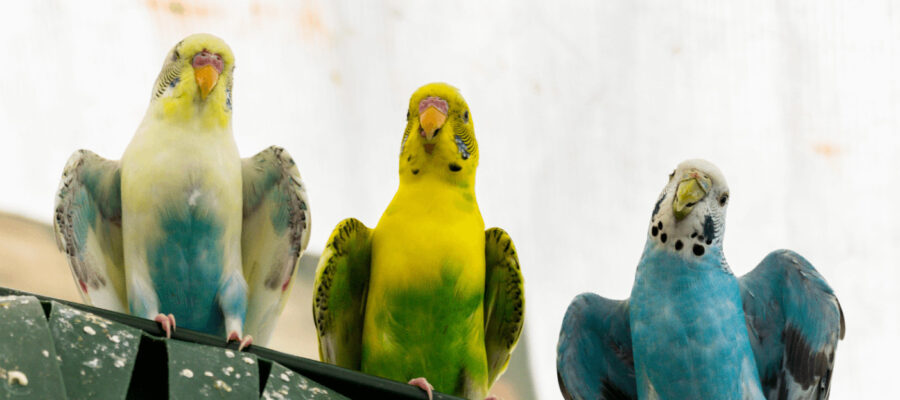
If you already have a parrot as a pet, you’ve probably noticed this needs constant activity . For your sake and that of the flyer, it is ideal that this activity is “productive” because otherwise if the parrot has nothing to occupy its time, it will develop destructive behavior and the objects found around it may no longer be safe, peace in the home may cease to exist because the parrot vocalizes excessively, or, worse, the bird may destroy itself, tearing its feathers or developing fears, various phobias or preventing interaction with other birds or other people. So, in addition to the well-known needs of a parrot, socialization and employment are essential for good development and a pleasant environment.
What can you do to help your parrot not get bored during the day
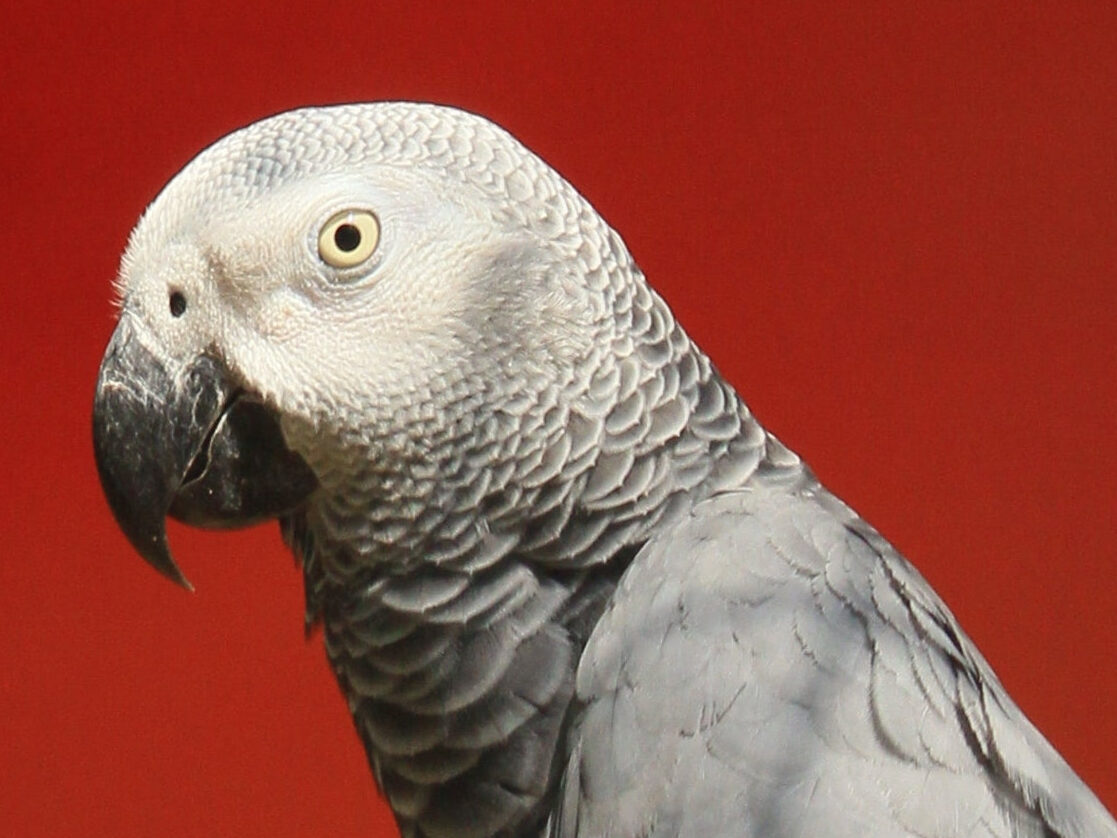
- A good way to keep your parrot from getting bored and comfortable is to offer him something the freedom to fly . Since birds are made to fly, this activity will not only bring happiness to the parrot, but will also improve its health and help it spend its energy in the most pleasant way.
If you decide to give this pleasure to the little flyer, it is very important make sure the house is safe for him . So you need to make sure the flyer doesn’t have access to hot liquids, toxic substances, open flames, or even the outside environment. Also, in the situation where the parrot has the freedom to inspect the house, it is recommended to cover the mirrors, because their reflection can disturb them. - You might consider it adopting a new flying buddy so that the current parrot has someone to share the house with. Of course, this decision should only be made after speaking with your vet, who will be able to tell you for sure whether your parrot has the ability to “support” other flying members. There are species of parrots that prefer solitude and do not easily accept someone into their life. Additionally, parrots that have lived most of their lives alone, without other birds around, may be quite affected by bringing a companion along, becoming angry or even stressed. Barring these situations, if all family members agree on the decision to bring a new bird into the home and if the veterinarian deems the bird capable of living with another bird, all that remains is to look for the new family member. Here is a list of the cutest talking parrot species – maybe it will help you in your search. 😁
- Another way to keep your parrot busy is provide him with complex cages and accessories which will give him the opportunity to play. Also, the larger the cage, the better the parrot will feel. If space allows, the little flyer will appreciate having a play area separate from the cage or crate. In this area you can place pieces of his favorite food so that the parrot can explore and find food at his own pace. This activity can keep him busy for a good period of time. Furthermore, choosing special toys for parrots can be a good alternative to keep the bird busy for a good part of the day. Of course, parrot toys should be chosen based on the parrot species, as preferences may differ from one species to another. (a simple and economical alternative is paper, cardboard or thin wood, for which many parrots develop a real “mania” since they can destroy it and play by surprise).
- Last but not least, another method to help your flyer not get bored, also requires time and patience on your part, but in the long run it helps to empower him and behave appropriately in social situations, i.e. parrot training.
How can you train your bird?
- First of all, you have to to stock up on the necessary equipment such as: candy, which is not part of the birds’ diet (obviously we don’t mean our sweets, but parrots’ favorite fruits and nuts), a small light-colored towel, a stick, bird spray (to discourage them from biting or chewing inappropriate objects).
- It is very important to be patient and try to understand the bird and what its preferences are. Just like people, everyone has a different personality, some will be able to remember certain commands faster while others will take longer. You also need to practice at different times of the day because the bird may be more receptive to learning at certain times of the day. Last but not least, these learning sessions should be short (10-15 minutes) and consistent (2-3 times a day).
- During the “learning” session, it is important to stay at least at the same level as the bird, not below, so that they understand that you are the “master”. Then start with short lessons to avoid getting bored.
- A good initial exercise is to teach the flyer to step over the finger, without trying to climb up the entire arm, with commands such as “up”, “feet up”. If the bird passes gently on your finger, reward it with a fruit and encouraging words. Repeat this movement for as long as necessary, but be careful that the flyer does not get bored and lose interest. If you saw that the bird has learned the movement, using the words you taught him, practice on the already prepared stick, using the same commands.
- Another simple exercise is to accustom the bird to sitting on a towel (useful, among other things, if the bird is unwell, when it needs medicine, etc.). Of course they should be light, neutral colors, because strong colors can agitate the bird. The easiest way to do this is to place the food on the towel.
Of course, the best way to prevent your parrot from getting bored is to let it fly freely, explore its surroundings, bask in the sunshine, and experience new things. However, this freedom also comes with risks. From escaping and stealing to contracting bacteria and diseases, nature is full of dangers for these colorful birds. However, if you live in a quiet area, you can use a bird harness to take your bird out for new experiences, and of course, reward it afterwards. This will make it look forward to the next outing.
Keeping your home clean and allowing your bird to fly freely may not always be easy, and preparing toys and food may take some time, but all of these help prevent your parrot from getting bored. Regular activity and good health require effort and persistence, but ultimately you will have a happy and healthy bird.
Conclusion
Parrots are intelligent, curious, and energetic, requiring far more than basic care to maintain a happy and balanced life. Unlike many other pets, parrots need constant mental stimulation and meaningful activity to stay healthy. Their innate curiosity and high intelligence make them excellent companions, but these traits also mean that boredom can quickly lead to behavioral problems if their needs are not adequately met.
When parrots lack stimulation, they may exhibit destructive behaviors. Chewing furniture, damaging household items, or making excessive noise are common signs of a lack of mental or physical stimulation in birds. Parrots are naturally vocal, but excessive vocalization often indicates frustration or boredom. In more severe cases, parrots may harm themselves by plucking feathers or exhibit anxiety symptoms. These problems highlight the importance of providing birds with a stimulating environment that keeps them busy and happy.
One of the most effective ways to ensure a parrot’s health is to provide them with meaningful activities. Toys specifically designed for parrots, educational feeders, climbing frames, and items that encourage natural chewing can all provide entertainment for parrots. Regularly changing toys prevents parrots from getting bored, as they love novelty and enjoy exploring their surroundings. These activities not only keep them busy but also stimulate their minds, promoting the development of their natural behaviors.
Socialization is another crucial aspect of parrot ownership. In the wild, parrots live in groups and rely heavily on social interaction. Pet parrots also need similar interactions with family members or other birds to feel safe and emotionally stable. Talking, playing, and training together strengthens the bond between the parrot and its owner while providing essential mental stimulation.
A balanced daily routine, including opportunities for play, interaction, and exploration, can significantly impact a parrot’s behavior and health. When parrots feel fulfilled and integrated into a social environment, they are much less likely to exhibit destructive or anxious behaviors.
Ultimately, caring for parrots means understanding their complex emotional and behavioral needs. These birds thrive in environments that encourage interaction, exploration, and activity. Through regular stimulation, socialization, and meaningful interaction, owners can create a harmonious home where parrots and their families can live happily and contentedly together.
latest posts published

Diabetes in dogs and cats

Car travel with pets: prepare for the journey

7 questions to consider when you want to get a dog

How to protect your pet on hot summer days

Domestic dangers for dogs | Here are the most common household risks for dogs

The best Julius K9 harnesses and leashes for fun summer days

Common diseases of cats. Causes and symptoms

How to take care of your four-legged friend during the holidays
How to help your dog deal with the fear of driving?
