
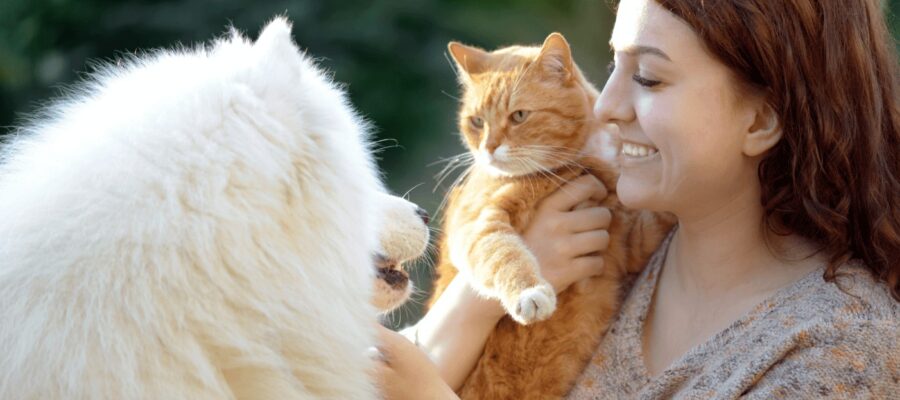
If your pet could talk, what would it tell you? “Hey, don’t forget me! Let’s play! Let’s go for a walk! I want to spend time together!” But because furries can’t put their needs into words, they always find a way to let you know that they need more attention. Maybe he brings you his favorite toy and stares at you, maybe he starts gnawing on things he’s never touched before, or maybe he suddenly becomes more agitated than usual.
Well, it can often be easy to think that if your furry friend is fed properly, walks a few minutes a day and has a comfortable place to sleep, then he has everything he needs. But for a dog or cat your presence doesn’t just mean food and shelter, it means much more. It means security, it means connection and it means affection. Whether you have an energetic dog or a seemingly independent cat, the need for attention and interaction is an essential part of their life.
We already know that both dogs and cats are social animals by nature. Even the most “independent” cats become deeply attached to the routine and presence of their owner, and dogs, being pack animals par excellence, need constant interaction to feel balanced. Lack of attention can not only make them feel alone, but it can lead to frustration, anxiety, and unwanted behaviors. To avoid such moments, it is important to know and recognize the moments in which your four-legged friend asks you for more time with him. Sometimes the signs may be subtle, sometimes obvious, but they all point to the same thing: needing you.
Here are 5 signs that your four-legged friend needs more attention and interaction
1. Displays destructive behavior
If your furry friend has started chewing on the furniture, scratching the sofa, or knocking over things in the house, he may be trying to tell you that he is bored and needs more attention. These behaviors are not “challenging” gestures, but simply a way to use stored energy and get your attention.
How can you remedy the situation? Give him interactive toys to keep his mind active, play together and make sure he gets enough exercise every day. If you have an energetic dog, try extending walks or introducing games like fetch to help him use his energy resources in a positive way.



2. Barks or meows excessively
If your furry friend starts vocalizing more often than usual, he is most likely trying to tell you that he needs more attention. Dogs bark to get their owner’s attention and interaction, while cats may meow insistently to signal that they feel alone or ignored.
C um, can you handle this behavior? First, try to notice in which contexts it occurs. If your furry friend becomes vocal when you’re busy or seems to constantly demand your attention, he may want more interaction. If the barking or meowing increases in the evening, it could be a sign that he hasn’t received enough stimulation during the day and is trying to use up what energy he has left.
To prevent this behavior, make sure to give him sufficient physical and mental activities. Regular walks, interactive games and exercise sessions can help him channel his energy in a healthy way.
3. He follows you around the house
Have you noticed that wherever you go, you always have 4 furry paws and two tender eyes watching you? Dogs and cats may lash out more than usual when they feel a lack of attention. If your four-legged friend accompanies you everywhere, including the bathroom, perhaps he is trying to tell you that he needs more time with you.
How can you balance this behavior? Give him dedicated moments just for the two of you. Whether it’s a play session, cuddles or just a few minutes of relaxation together, these interactions will give him the reassurance he needs. If he follows your every step, he may simply be asking for reassurance that you’re close, and a few moments of affection throughout the day can make a big difference.
4. He brings you toys
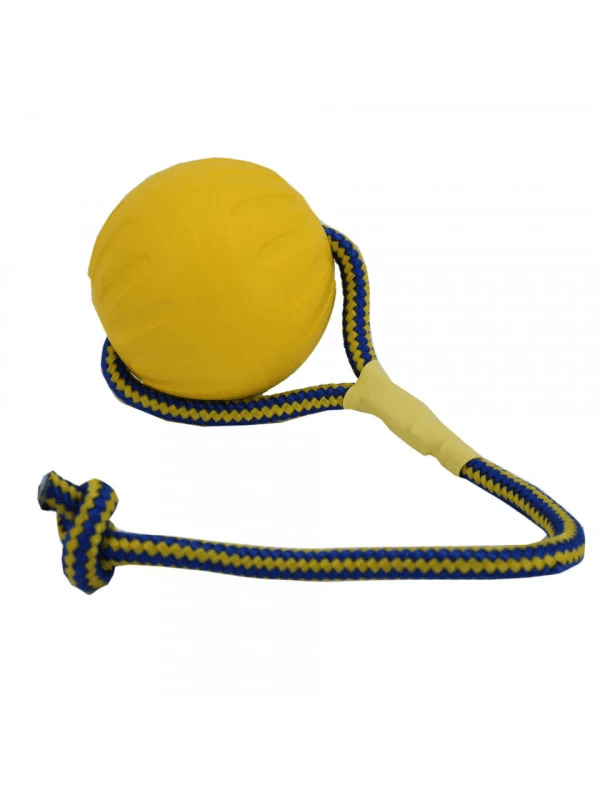
If your four-legged friend arrives excitedly with his favorite toy and leaves it in front of you, it’s his way of telling you “Let’s play!” It’s a clear invitation to play and interact, and if this gesture is consistently ignored, he may start to feel neglected.
How can you answer? Try to take advantage of these moments! Even 10-15 minutes of active play can change his mood. If your time is limited, establish a daily play routine so he knows he has your constant but controlled attention.
5. Shows changes in eating behavior
If your furry friend suddenly changes his eating habits, refusing food or eating more than usual, this could indicate stress, boredom or an increased need for attention. Just like people, animals can react emotionally to changes in their routine, and the lack of interaction with you can affect their appetite.
what can you do? First, rule out any possible medical causes by talking to your vet. If the state of health is good, try to enrich your furry friend’s daily routine. Give him more affection, more time and more stimulation through play or walks.
Pets don’t ask for much or material things. They just need attention, love and quality time with you. If you notice changes in their behavior, try changing your schedule to offer them more interaction. It’s one of the best gifts you can give.
Sources:
latest posts published

Diabetes in dogs and cats

Car travel with pets: prepare for the journey

7 questions to consider when you want to get a dog
How to protect your pet on hot summer days

Domestic dangers for dogs | Here are the most common household risks for dogs

The best Julius K9 harnesses and leashes for fun summer days
Common diseases of cats. Causes and symptoms

How to take care of your four-legged friend during the holidays
How to help your dog deal with the fear of driving?
