
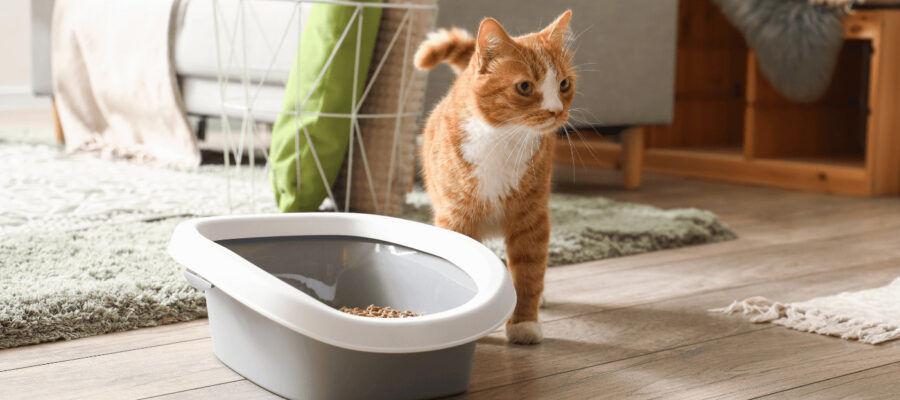
Although this topic may seem uninteresting at first glance, cat litter is truly an important topic, both for our well-being and for that of the feline.
We already know that cats can sometimes be picky when it comes to their hygiene habits, and this obviously includes the litter box. While it is not necessary to instruct your cat on how to use the litter box, as instinct will tell you what to do, you must provide a suitable and easily accessible litter box, as well as suitable litter. Since no one wants woodworms pooping all over the house, it’s important to take these two essential tools very seriously.
As for the hygienic litter box, know that it offers the cat a safe and clean place to defecate, which helps maintain cleanliness throughout the house. Additionally, good bedding can prevent the growth of bacteria and unpleasant odors. A wise choice of sand can also prevent possible health problems for the feline.
What are the 5 most common types of cat litter?
There are different types of hygienic cat litter with different characteristics. The main types are:
⮞ Clumping litters are those that form solid lumps in contact with humidity;
⮞ Non-clumping litters are those that do not form solid lumps and require more frequent changes
⮞ Silicate bed linen, effective in absorbing humidity and unpleasant odors
⮞ Natural, biodegradable and ecological bed linen.
Based on these characteristics, here are 5 types of litter suitable for felines:
1. Silicate litter
Silicate bedding is a modern and innovative option in terms of 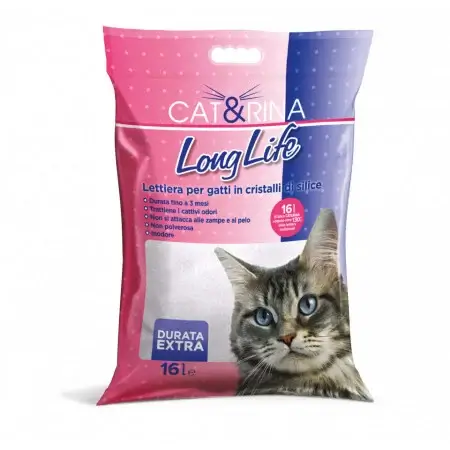 feline hygiene. Silicate crystals have a high level of absorption and can keep odors at bay for a long time. Silicate litter is highly appreciated by many cat lovers because it has the ability to absorb liquids while bacteria and unpleasant odors are blocked by the granules. At the same time, it is also ideal for those who want to minimize the frequency of changing bed linen. Silicate litter is also notable for its durability. Since the silicate crystals effectively absorb and retain moisture, the bed linen has a longer lifespan than other types of bed linen. However, silicate is a slightly more expensive type of litter and some cats may have individual preferences regarding the consistency of the litter, so it is possible that not all felines will be suited to this type of litter.
2. Hygienic toilet litter – Tofu
This type of bed linen is an innovative and ecological choice for hygiene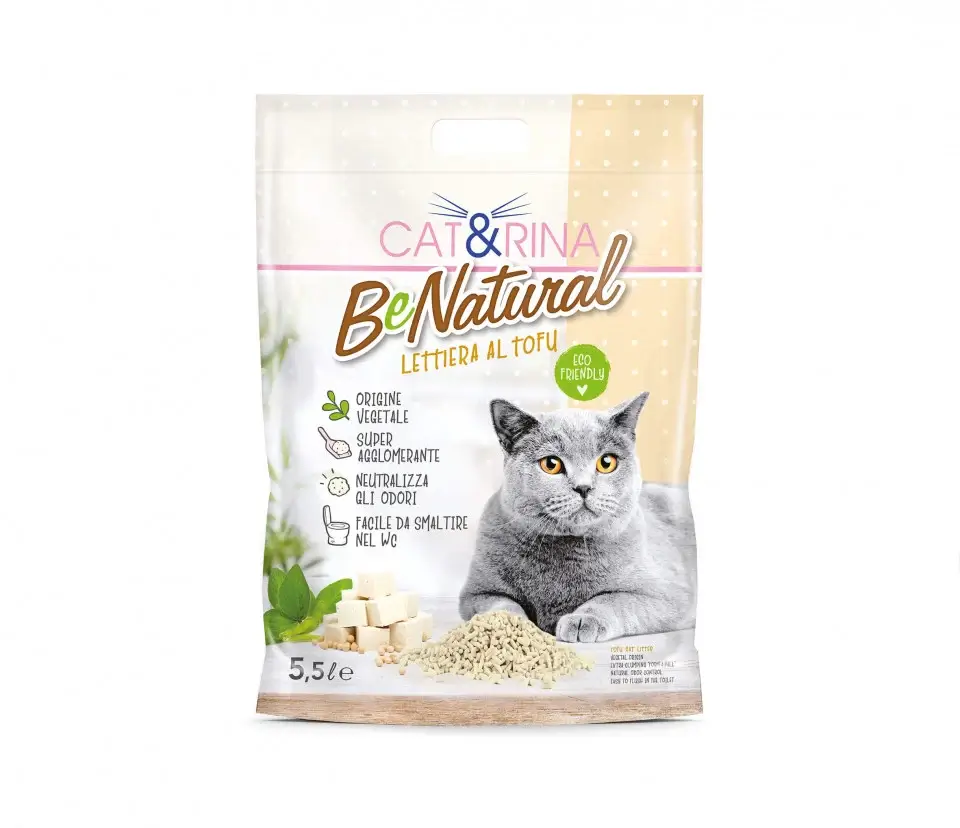 felines, increasingly appreciated by cat lovers because it is a biodegradable product, dust-free, easy to handle, easy to clean, absorbs liquids in a few seconds and forms solid lumps that are easy to remove. These features help keep the environment clean and fresh, thus contributing to the overall hygiene of the space. In addition, Tofu vegetable hygienic litter does not stick to the feline’s paws and is suitable for flushing.
3. GreenCat hygienic vegetable litter
Greencat is a 100% eco-sustainable litter because it is made through innovative manufacturing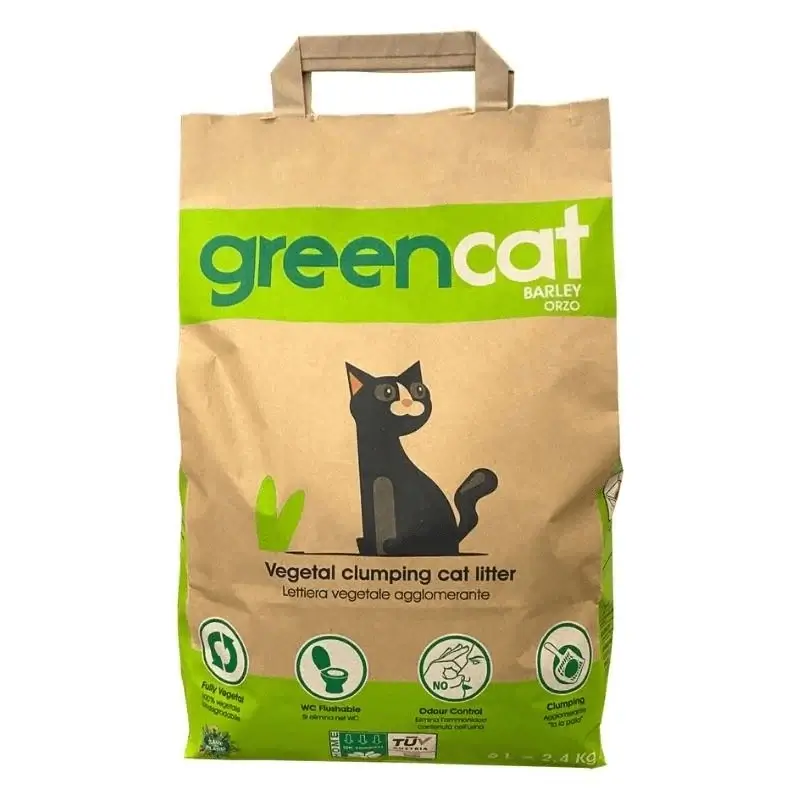 of the inedible parts of barley that cannot be used to produce food. Thanks to its natural ingredients, Greencat is totally biodegradable and therefore can be thrown down the toilet, composted or used directly as fertilizer in the garden. This type of bedding absorbs and neutralizes odors, is easy to wash and does not stick to fur or paws.
4. Paper hygienic bed linen
Paper litter is an option frequently used by cat owners, being much cheaper than other types of litter. This type of bedding has many features that are worth considering such as being non-toxic, fragrance-free and dust-free. Therefore, this type of bedding is ideal for environments where air quality is essential. In addition to these advantages, paper litter also has some disadvantages: it does not form lumps, requires frequent changes, does not retain odors and not all cats agree to use it.
5. Hygienic litter in the form of classic clumping sand
This type of litter is a popular and well-known choice among cat owners. Characterized by the ability to form compact lumps in contact with humidity, litter in the form of sand is easy to remove, contributes in a small part to the prevention of unpleasant odors and is as similar as possible to the sand existing in the cat’s natural environment.
On the other hand, classic clumping sand litter often contains mineral components, which is why it can be harder than other litter options. Additionally, it may produce a moderate level of dust during use, which could pose a problem for people with allergies or respiratory sensitivities.
What you need to consider when choosing the right hygienic litter for your feline
Feline character – Every cat is unique and their litter box preferences may vary. Some felines may prefer finer litter, others may accept litter with different scents while others may be less picky.
The environment – if you are also among the people worried about the impact on the environment, then a biodegradable litter can be a good choice. Of course, you can try different variations until you get to the one approved by your feline.
budget – if you have a limited budget, classic sand bedding is a good option. Of course, it won’t retain odors either, and it won’t be as easy to clean the litter box. financially, it will seem like a big plus.
Choosing the right hygienic litter for your cat is not only a necessity but also an investment in its health and comfort. Buy wisely and take into account the specific needs of the feline because a quality litter will make life easier for both you and your furry friend, will keep the house clean and will help prevent health problems for the cat.🐱
Sources:
latest posts published

Diabetes in dogs and cats

Car travel with pets: prepare for the journey

7 questions to consider when you want to get a dog

How to protect your pet on hot summer days

Domestic dangers for dogs | Here are the most common household risks for dogs

The best Julius K9 harnesses and leashes for fun summer days

Common diseases of cats. Causes and symptoms

How to take care of your four-legged friend during the holidays

How to help your dog deal with the fear of driving?
