

Have you ever petted your cat or dog and had your hands full of hair? Or vacuuming in the morning, only to feel lint again a few hours later on the couch, on your clothes, or throughout your house? Shedding is a reality in every pet owner’s life that sometimes seems to have no end. When shedding excessive amounts of hair, it can become tiring not only for you, but also for your pet, who may scratch his skin or seem irritated for no reason.
Here are 6 simple, effective and gentle methods with which you can reduce hair loss and comfort your four-legged friend:
1. Brush it regularly
If I had to choose one habit that would help both coat health and keep your home clean, it would be brushing. Even if it seems like a simple gesture, brushing regularly has great benefits: it eliminates hair that would fall out anyway, prevents the formation of blood clots and helps oxygenate the skin.
Furthermore, brushing stimulates the natural secretion of oils that coat the hair and keep it healthy, elastic and shiny. Over time, the fur becomes more resistant and less susceptible to excessive shedding.
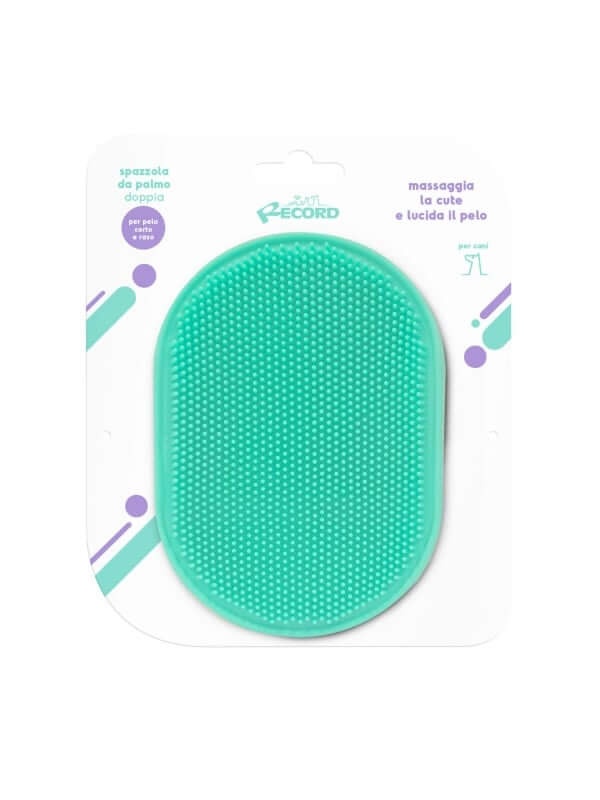
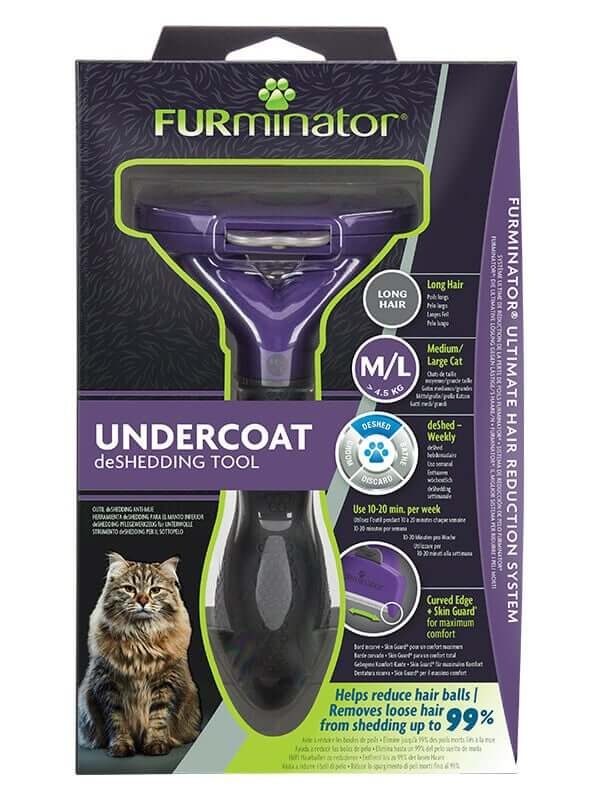
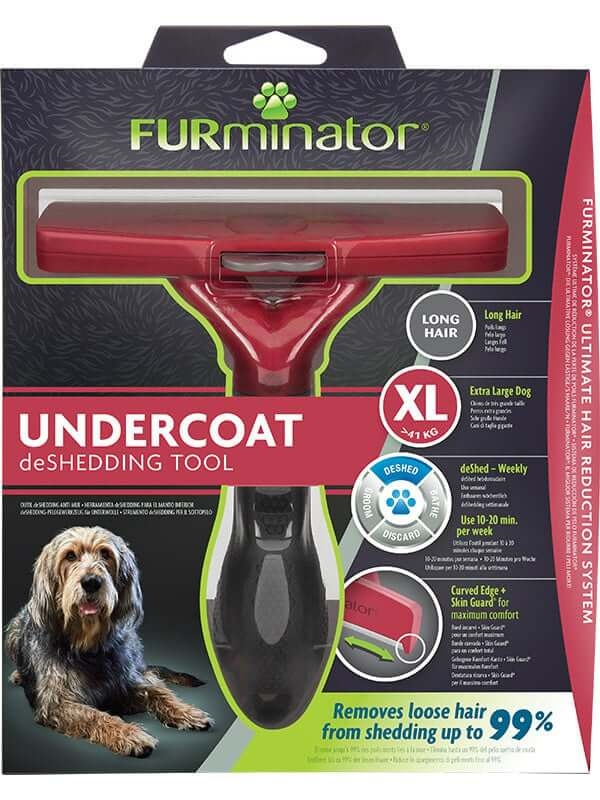
For brushing we recommend using a tool suitable for the type of hair. Short-haired dogs and cats feel good with a special glove or soft rubber brush. Those with long or thick fur need a metal comb and sometimes a furminator to help remove the layer of dead fur from the substrate.

2. Bathe him regularly
While not as necessary as brushing, bathing plays an important role in skin and coat care. Helps remove already shed hair, dust, air pollutants and other impurities that can irritate the skin or clog pores. Furthermore, after a well-groomed bath, the fur remains cleaner, softer and sheds less in the following days.
However, too much attention can become harmful. Washing too often can remove the natural oils that protect the skin, causing dryness, itching and, paradoxically, more hair loss.
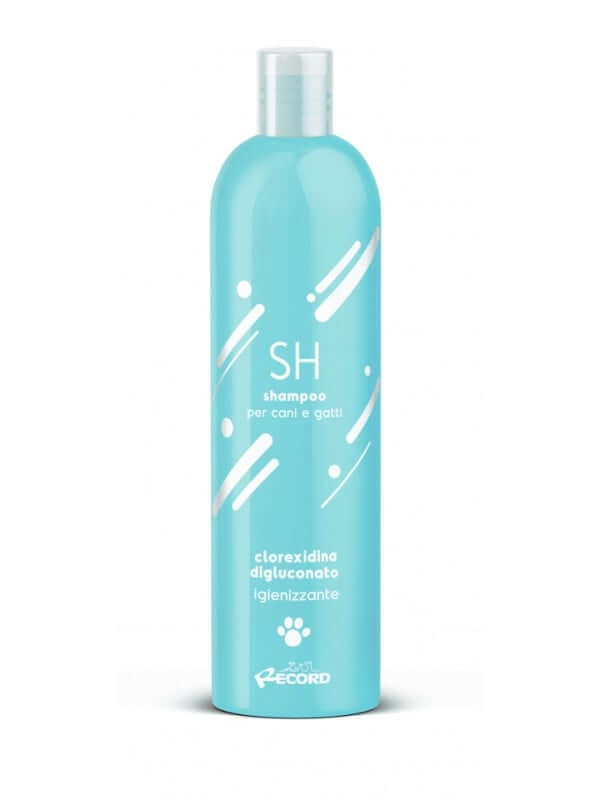
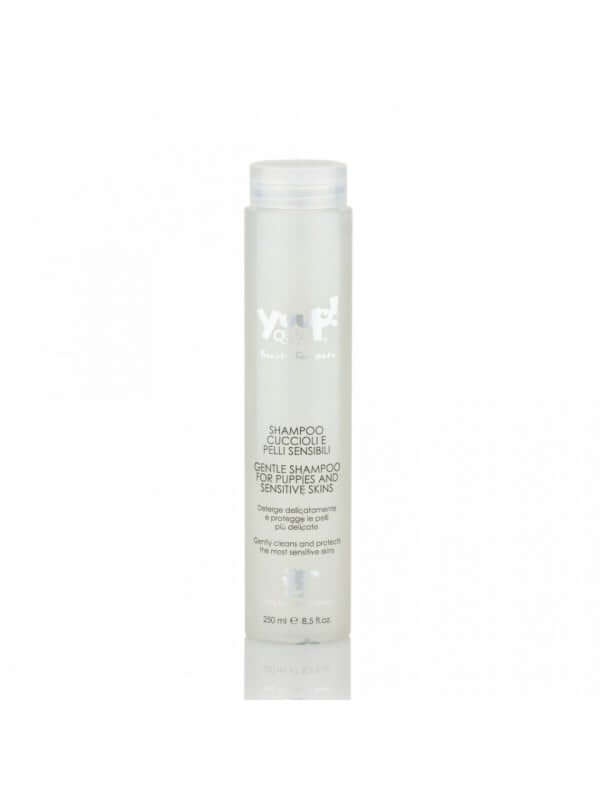
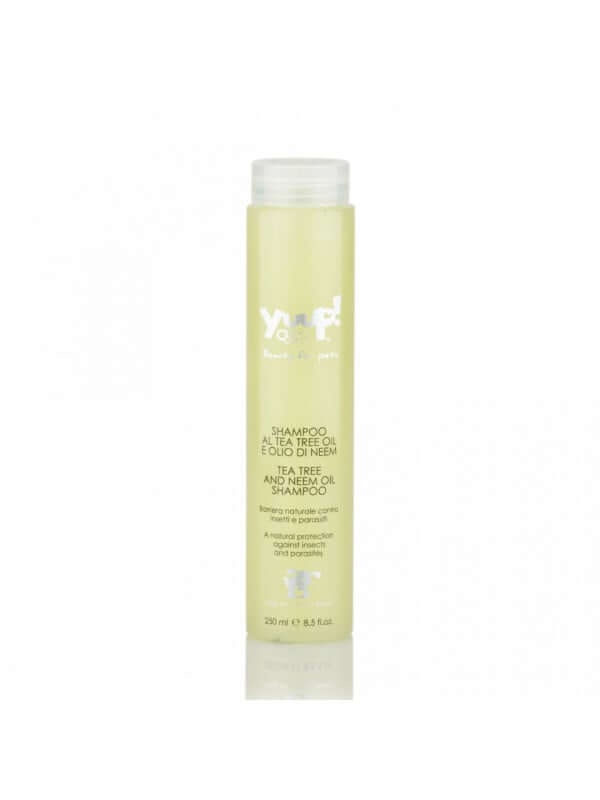
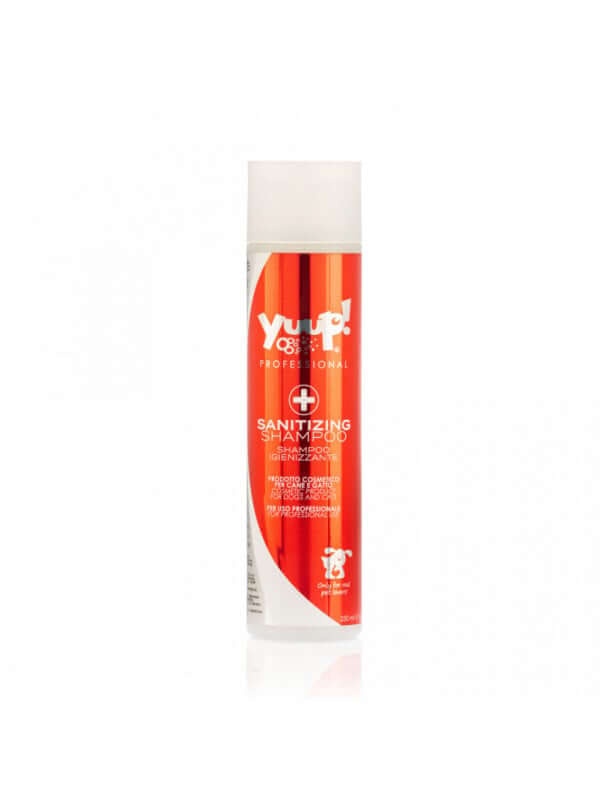
For bathing, choose a delicate shampoo, created specifically for dogs or cats, with a hydrating, soothing or regenerating effect. Avoid human products, even if they seem “gentle,” because they can unbalance the pH of animal skin and create long-term problems.
3. Maintain proper hydration
You may never have thought about it, but one of the easiest ways to reduce shedding is to make sure your pet drinks enough water. As with humans, dehydration directly affects the appearance of the skin, making it drier, more sensitive and more prone to irritation. And dry skin inevitably means hair that sheds more than it should.
For proper hydration, make sure your water bowl is always clean and filled with fresh water. For cats, a recirculating water fountain can be a real lifesaver because the sound of flowing water attracts them and encourages them to drink more often. And if you want to add more hydration, you can introduce some wet food into the menu, which contributes in a discreet but effective way to the balance of fluids in the body.
4. Don’t forget about vet visits
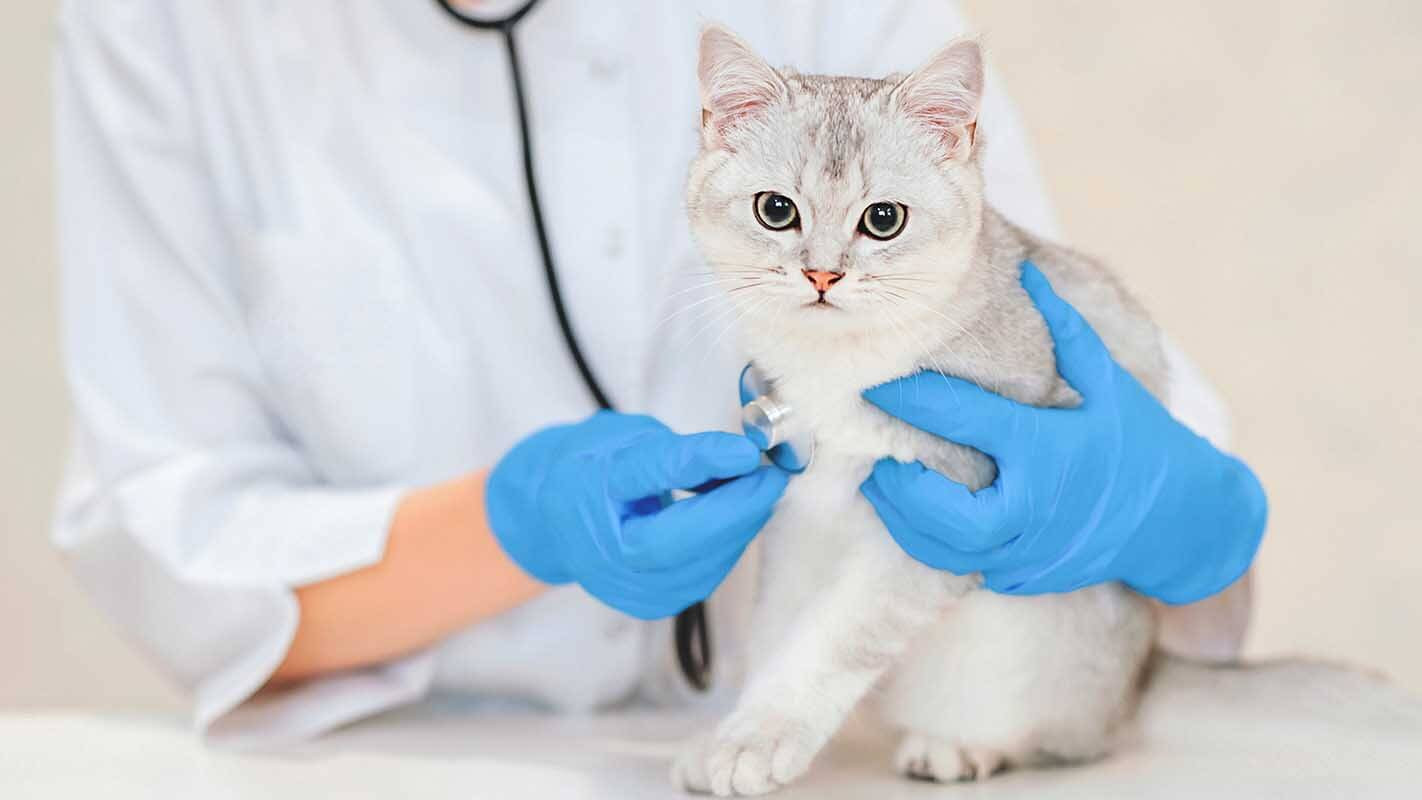
Although shedding is a natural process, sometimes excess fur is not related to the season, but to an underlying health problem. When you notice that your pet is constantly scratching, has hairless patches, irritated skin, or dandruff, it could be a sign of a condition that needs attention.
Parasites, allergies, hormonal imbalances or vitamin deficiencies can trigger an unusual and difficult to control shedding. And some of these problems are not visible to the naked eye. Only a veterinary visit can discover the cause and propose a correct treatment, which will improve not only the hair loss, but also the underlying cause.
5. Reduce stress and create a calm environment
It may seem surprising, but stress affects not only your pet’s behavior, but also the condition of his skin and fur. Dogs and cats strongly feel the changes around them, whether it’s a move, a new family member, loud noises or even simply a change in their daily routine. Stress-induced weight loss is often overlooked, but it is real and can be improved with little care and safety.
So make sure your four-legged friend has his own space to retreat and rest, with a comfortable bed, away from the hustle and bustle and with easy access to water and food. And the most important aspect of reducing stress is that you are present. Spend time with him, pet him and talk sweetly to him.
Last but not least, don’t forget that the house itself has a visible impact on the health of your four-legged friend. Dust, mites, detergent residue or strong room fragrances can irritate animals’ sensitive skin and contribute to more pronounced shedding. This is why it is best to use delicate detergents without intense fragrance and avoid aggressive sprays in the areas where your furry friend rests or eats.
Sources:
latest posts published

Diabetes in dogs and cats

Car travel with pets: prepare for the journey

7 questions to consider when you want to get a dog
How to protect your pet on hot summer days

Domestic dangers for dogs | Here are the most common household risks for dogs

The best Julius K9 harnesses and leashes for fun summer days
Common diseases of cats. Causes and symptoms

How to take care of your four-legged friend during the holidays

How to help your dog deal with the fear of driving?
