

For both us and our pets, home is that place where we relax, recharge our batteries and enjoy the quiet. But for four-legged friends, the house can sometimes become a constant source of stress. Why? Because the noises around us, which we ignore or consider normal, can overwhelm the highly sensitive hearing of dogs and cats. For example, for them, a vacuum cleaner vibrating on the floor may seem like a “mechanical monster”, and a sudden ringing sound may be equivalent to an alarm of imminent danger. Any noise perceived intensely by the animal can contribute to the accumulation of stress which, in the long term, can cause behavioral or even health problems.
We often don’t realize how profoundly pets are affected by these sounds. What we can do, however, is to know what are the main noises in the house that stress them, understand their needs and create an environment in which they truly feel at ease and protected.
1. The vacuum cleaner
The vacuum cleaner is one of the biggest “nightmares” for pets because it combines loud noises with vibrations and sudden movements. The extremely sensitive hearing of dogs and cats amplifies the sound produced by the vacuum cleaner, making it sound like a real threat.
what can you do
Get your pet used to vacuuming
Start by leaving the vacuum around the animal so it can sniff and investigate at its own pace. Reward him with praise or treats to create a positive association with the object. Gradually turn on the remote vacuum cleaner for short periods, gradually increasing the duration and proximity.
Choose a quiet vacuum cleaner
If you have a sensitive pet, consider purchasing a quiet vacuum cleaner with special noise reduction technology. This type of vacuum cleaner produces a softer sound that is less disturbing to your furry friend’s fine hearing.
Create a quiet space for your four-legged friend
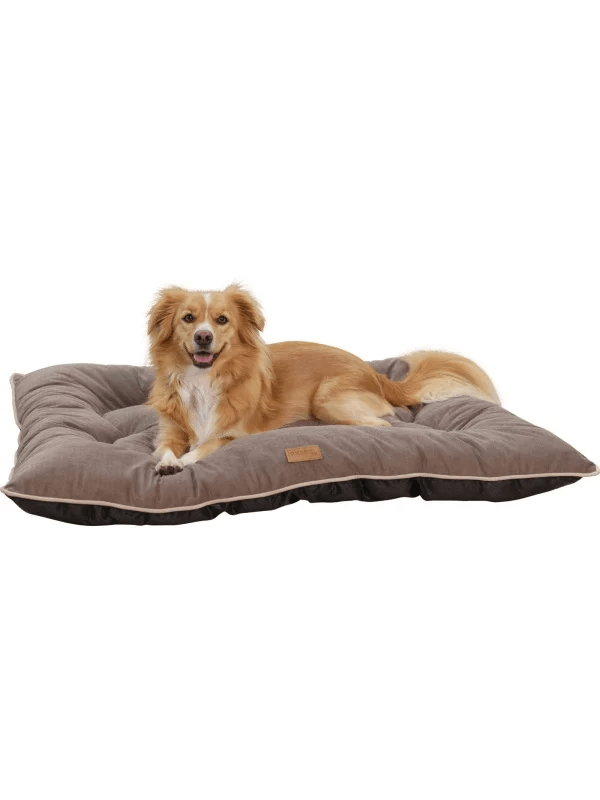
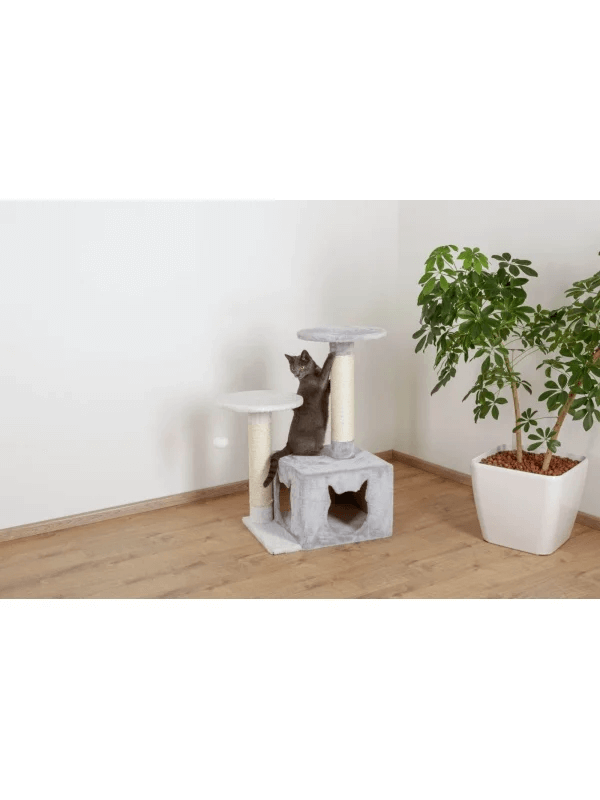
While you clean, give your dog or cat a private place to feel safe. This could be a corner of the room with a soft bed, a covered cage, or even a cat playset.

Schedule cleaning time
If your pet is extremely sensitive, schedule grooming for times when he is out for a walk or in another room.
2. The bell
The sudden, shrill, and unexpected ringing of the doorbell is a common source of stress for pets. We must admit that sometimes that sudden sound scares us too. However, pets often associate the doorbell with the arrival of a stranger, which can trigger alert or even fearful reactions. They may also be frightened by the intensity of the sound and prefer to hide as soon as they hear it.
what can you do
Replace the ringtone with a quieter one
If your current ringtone is too loud, opt for a model with a softer sound or a more soothing melody. You can also turn down the ringer volume so that it is less annoying for pets.
Inform your guests to let you know before their arrival
Ask your friends or relatives to contact you by phone or text message before your arrival. This way you can prepare the quadruped for its arrival, avoiding unpleasant surprises, or you can simply open the door before the doorbell rings.
Get your pet used to the bell
Ring the doorbell occasionally when there is no one at the door and give him a treat immediately after the ringing. This will help him associate the ringtone with a pleasant experience. You can also record the ringtone sound to play periodically, at a low volume, gradually increasing the intensity. This process will help the pet get used to the noise over time without becoming stressed.
3. Washer and dryer
The washer and dryer are essential appliances in every home, but they can represent a great source of stress for pets. Constant noise, strong vibrations and changes in intensity can be perceived as threats. Dogs and cats’ sensitive hearing amplifies these sounds, and vibrations transmitted through the floor can intensify their discomfort. Especially during spin or drying cycles, these devices can become a real “earthquake” for the most anxious animals.
what can you do
Place appliances in a separate room
If possible, install the washer and dryer in a separate room from where your pet spends time. Closed doors will help dampen noise and vibration.
Ensures the stability of the device
Excessive vibrations can aggravate the noise produced by the washing machine. Make sure the device is well secured and balanced. You can use special pads for the legs of the car, which reduce vibrations and sounds.
Plan your wash cycles carefully
Avoid running the washer or dryer when your pet is sleeping or resting nearby. If you have an extremely sensitive pet, schedule washing during walks or when your furry friend is in another room.
4. Small household appliances
Small appliances, such as blenders or hair dryers, make loud, sudden sounds that can sound threatening to pets. These devices create high frequencies that are difficult for the extremely sensitive hearing of cats and dogs to tolerate.
what can you do
Use the machines in another room
If possible, use noisy appliances in a space other than where the animal is located. Additionally, closing the door will significantly reduce the impact of the sound on them.
Gradually accustom the animal to the noise
Start by leaving the device near the animal so it can explore the object and become familiar with its presence.
After the animal has relaxed, turn on the device for a few seconds, remotely, and reward it if it remains calm. Gradually increase the duration and proximity until the animal gets used to the sound.
Distract him with toys or treats
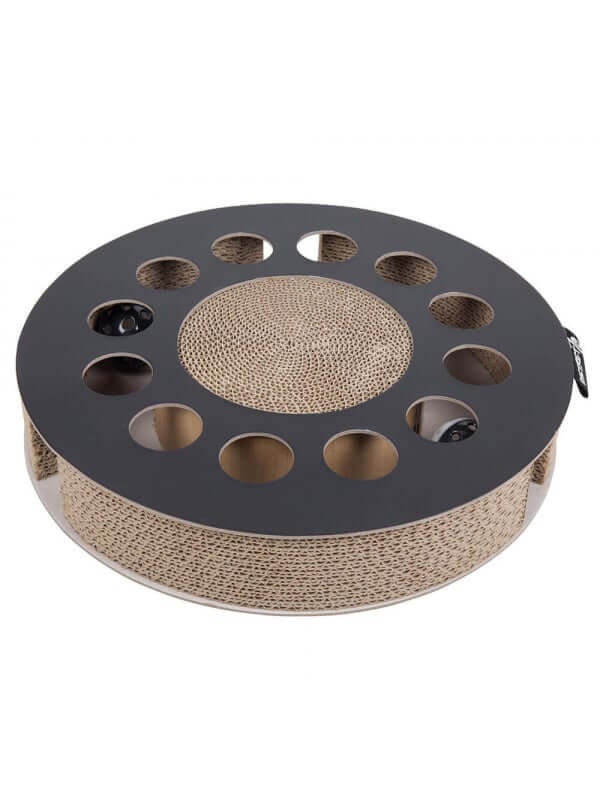
While using small appliances, offer your furry friend his favorite toy or a delicious snack. This can help him associate the noise with a positive experience. Interactive toys like prize balls or puzzles can be great for keeping the mind occupied.


Invest in quieter appliances
Some models of appliances are designed to produce less noise. If fear of these devices is a frequent problem, invest in a model that is more friendly to animal hearing.
5. The noises of the renovation
Loud and unexpected noises made by drills, hammers or other renovation tools are among the most stressful for pets (and sometimes for us too 😀). Cats, in particular, being more cautious and sensitive animals to environmental changes, are profoundly affected. Dogs may also become anxious, tremble, hide, or bark excessively in response to these sounds.
what can you do
Move the animal to a quiet room
If you know that renovations are about to begin, prepare in advance a quiet, soundproof room where your pet can feel protected. You can use a room located as far away from the workplace as possible or even on the opposite side of the house.
Create a calm environment
Add familiar objects to the room: his favorite blanket, his toys or his usual bed. These will give him a sense of security. You can also play soothing sounds like classical music or white noise to mask background noise.
Plan your work carefully
Try to coordinate grooming times with times when the dog or cat is outside or in another room. If noise is unavoidable, consider limiting the daily duration of work to reduce the animal’s exposure to stress.
6. Loud TV and music
Television, action movies, or loud music, while they may be entertaining for us, can become a significant source of stress for pets. Low frequencies and sudden noises, such as explosions in a movie or heavy rhythms in songs, are perceived much more strongly by the sensitive ears of cats and dogs. Constant noises of loud talking or changes in tone can also cause agitation or discomfort, especially if the animal is already anxious.
what can you do
Keep the volume at a moderate level
To minimize the impact on your pet, keep the TV or music at a volume that won’t disturb you. Especially in rooms where animals relax, avoid loud and sudden noises.
Choose the right content
If you like to have background music in your home, opt for classical, ambient or special pet playlists. Studies show that these sounds calm dogs and cats, reducing heart rate and stress levels. Also, avoid movies with intense scenes, such as those with explosions, sirens, or other noises that could be perceived as threatening if pets are around you.
Create a peaceful haven
If you want to watch a movie with louder sound or enjoy music at a louder volume, offer your pet a quiet, secluded place to retreat.
7. Unexpected noises
Sudden sounds, such as a door slamming, a heavy object falling, or even an alarm ringing unexpectedly, can trigger intense fear reactions in pets. The unpredictability and unexpected nature of these noises cause dogs and cats to quickly go into “fight or flight” mode. If your furry friend has nowhere to hide, his anxiety can become even more intense.
what can you do
Avoid sudden noises
Try to move carefully around the house, especially when you know your pet is sensitive. For example, close doors carefully, avoid slamming drawers or dropping heavy objects on the floor. Also, if you have children, explain to them how sudden noises can scare their furry friends and encourage them to be more careful.
Improves the feeling of calm
If an accident occurs that causes a sudden noise that scares your furry friend, avoid over-consoling him immediately, as this may reinforce the fear response. Instead, wait until he starts to calm down and offer a reward or play session to redirect his attention.
While we can’t completely eliminate all the noise that is part of our daily routine, we can make small adjustments to create a quieter, friendlier environment for our furry friends.
How do you protect your partner from household noises that stress him?
Sources:
latest posts published

Diabetes in dogs and cats

Car travel with pets: prepare for the journey

7 questions to consider when you want to get a dog

How to protect your pet on hot summer days

Domestic dangers for dogs | Here are the most common household risks for dogs

The best Julius K9 harnesses and leashes for fun summer days

Common diseases of cats. Causes and symptoms

How to take care of your four-legged friend during the holidays

How to help your dog deal with the fear of driving?
