

We can’t explain it better, but if you want you can get a dog you don’t just buy a dog, per se.
This living, breathing being is a family member, a friend, a confidant, a source of unconditional love, a cuddle buddy, and a lifelong companion.
The moment you will meet your dogyou will fall completely in love. The heart will trump the mind, especially if your dog is an adorable pup, and you might even run the risk of not thinking straight for a day or two.
For this reason, it is incredibly important to think very carefully to this life-enriching decision before finding your dog.
After all, you will want to give your dog the best life possible. You need to make sure that you are ready, willing and able to give a dog your time, patience and love.
Here are seven questions to consider even before you start looking for your forever friend.

1. WHY do you want a dog?
Have you spent your whole life with a dog by your side? Are you looking for company? Protection? A travel companion? A comforting presence? Or are you interested in get a dog for someone else in your family, such as a child?
Whether you are alone or with a family, dogs become family the moment they enter your life. Knowing why you want a dog is the first step in being able to commit to welcoming a dog into your life.
Just in case get a dog for your partner, it is best to address all these questions together. If you buy a dog for a child, it is best to assume that you will be the primary person who will take care of the dog.
Having reasonable expectations, your commitment to the dog, and your care for the dog are essential to forming a great relationship with your furry friend.
Dogs are pack animals. The head of the household will usually be the leader of the pack and tends to be the person who will ultimately be responsible for the health and well-being of the dog. It is good to understand and accept responsibility up front.
2. Do you have enough money to properly care for a dog?
Aside from the investment needed to buy or adopt a dog, consider the implications of basic care. If you are interested in a puppy, you must afford the mandatory visits to the vet.
Puppies require a series of vaccinations, some of which are required by law in some areas, to lead a healthy life. If you are rescuing a dog with an unknown history, vaccinations are mandatory and annual boosters are required.
Adult dogs also require constant grooming. Annual veterinary visits are essential. Veterinarians can help you understand your dog’s physical and mental health.
They can also help protect your pet from the spread of serious diseases by providing the latest information and treatments for issues such as flea and tick prevention.
You should also expect the unexpected, such as medical care. Pet insurance can help ease the burden of life’s many medical surprises, but you need to make sure you can care for a dog through thick and thin.
You’ll also need to invest in nutritious food and essentials (beds, bowls, leashes, grooming tools, treats, and toys).
Some breeds, such as long-haired dogs, require professional grooming, while short-haired breeds usually do not.
You may also need to invest in things like training, walks, especially if your dog will be home alone for long periods, or dog daycare and boarding.
3. Do you have enough space for a dog?
Dogs need space, inside and out. If you live in an apartment, you need to consider how much space your furry friend will need, but also where you will be able to walk and play outside the building.
This question depends on the type of breed you are interested in. Believe it or not, some huge dogs, like the Great Dane, can live comfortably in an apartment because they are less active than other breeds.
Some small, energetic breeds like the Border Terrier might drive you crazy in an apartment because they love to run and hunt.
This type of dog is best suited for a home, especially one with a yard. If you live in a house, do you have a fenced yard? A fenced yard isn’t necessary, but it will definitely make your and your dog’s life easier.
If you rent, can you have a dog? Many contracts have clear restrictions on pets.
4. Do you have enough time to take care of a dog?
One thing is for sure, you will have to spend a lot of time with your dog, but your dog has daily needs, which are also mandatory.
The puppy will depend on you for everything: food, outings for physiological needs and movement, but also training, time for cuddles and fun.
You will have to give your dog all of these, every day. Will you be able to provide your dog with an outlet for physiological needs during the day? Can you walk your dog before work or at the end of the day? If you work late or travel often, who will take care of your dog while you’re away?
If you live with other family members, it’s easy for everyone to step in and care for your dog, but if you live alone, you’ll need a plan to make sure your dog’s needs are met when you’re not available.
5. What kind of lifestyle will you give your dog?
Once you’ve made sure you have enough money, space and time for a dog, it’s time to start thinking about your lifestyle and how a dog can fit in.
Are you an outdoors person or a quiet homebody? Do you live near a body of water or in a high-floor apartment? There are many and different ones dog breeds .
The Fédération Cynologique Internationale (FCI) holds a registry of 339 different types of dogs . With just a little research, you can easily find a breed that fits your lifestyle.
For example, if you want to hold a dog in your arms, you’ll probably want to focus on a small breed. Or, if your whole family loves hiking and camping, you may want to look at a larger breed.
Take time to research various details dog breeds even before talking to a breeder or going to a shelter.
Again: you are written to fall in love. It is better to fall in love with a dog that has the same lifestyle and interests.
6. Are there any health restrictions you need to be aware of?
It is essential to consider the health and well-being of you and your family before bringing a dog into your home.
Are you or someone in your family allergic to dogs? The last thing you want to do is invite a furry friend over and find out that you, or someone you love, has a severe allergic reaction to your new friend.
It would be disastrous for everyone, including your dog. Are there other physical limitations to consider? Remember, your dog will need regular physical activity to stay healthy and fit, so no matter whether you play fetch in the yard or enjoy long walks, there needs to be a way to give him a solid foundation for a good life.
Now, consider the dog’s health restrictions. When you document something different types of dog breeds Pay particular attention to the health risk factors of each breed you like.
If you are investing in a breed prone to diabetes, are you willing to do what it takes to help a diabetic dog live a healthy, happy life?

7. What do you expect from your new lifelong friend?
You can expect unconditional love and extraordinary joy from your furry friend. You can expect laughter, but also frustration, from time to time.
Dogs are animals. They speak a very different language than you, but with a little time and attention you can learn their language and even start speaking it.
Dogs are fascinating creatures with strong emotional intelligence. It won’t be long before you see your dog start to read your mood and improve it.
You may also notice that your dog occasionally disappears items, such as slippers, food and documents.
Best to expect that it will take time and patience to help your dog feel at home and find his place in your pack.
Ultimately, you can expect to grow and thrive as dogs know how to show you how to enjoy life every day.
Are you looking for a vet?
The veterinarian has a very important role in the animal’s health. Enter your location information and get a list of vets near you.
FIND A VETERINARY DOCTOR
latest posts published

Diabetes in dogs and cats

Car travel with pets: prepare for the journey

7 questions to consider when you want to get a dog
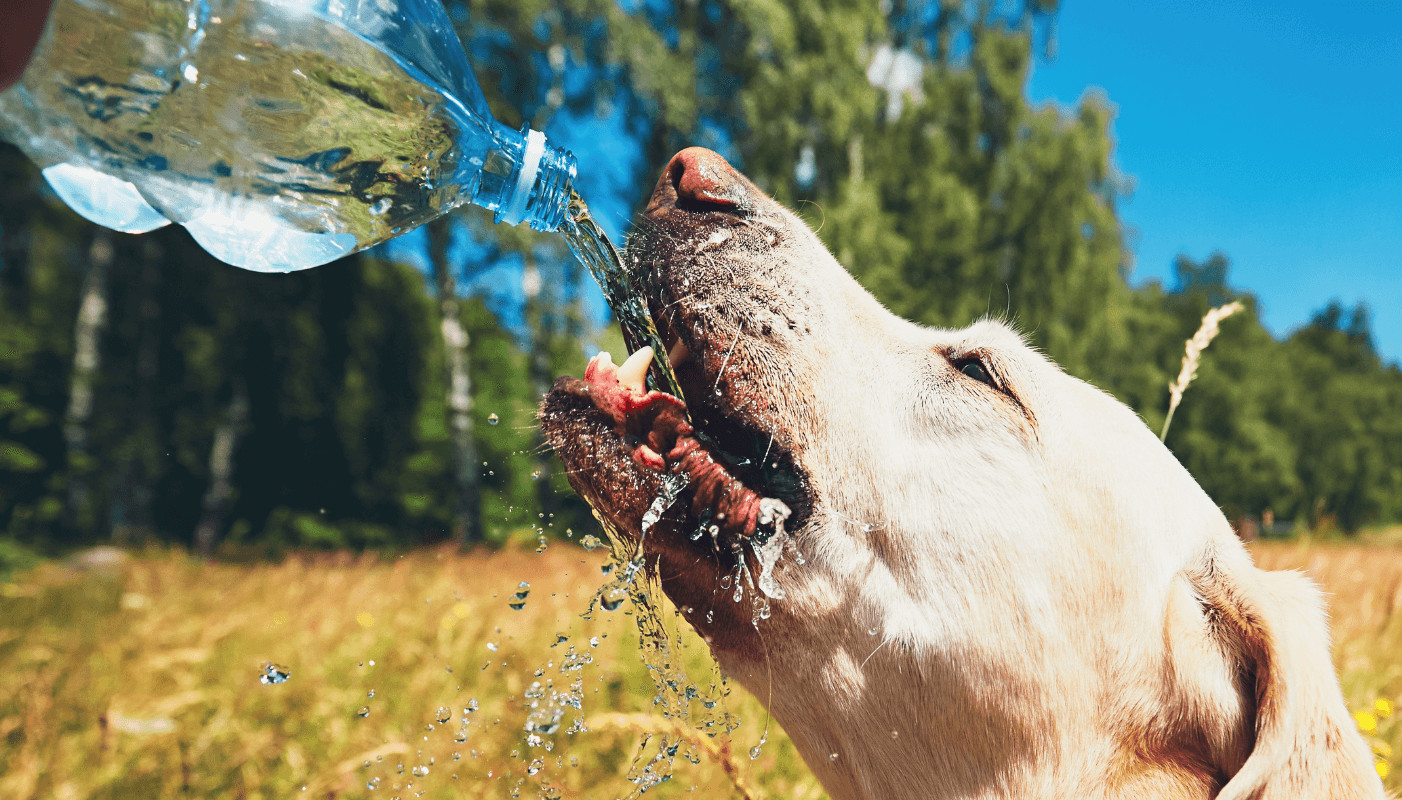
How to protect your pet on hot summer days

Domestic dangers for dogs | Here are the most common household risks for dogs

The best Julius K9 harnesses and leashes for fun summer days

Common diseases of cats. Causes and symptoms

How to take care of your four-legged friend during the holidays

How to help your dog deal with the fear of driving?
