
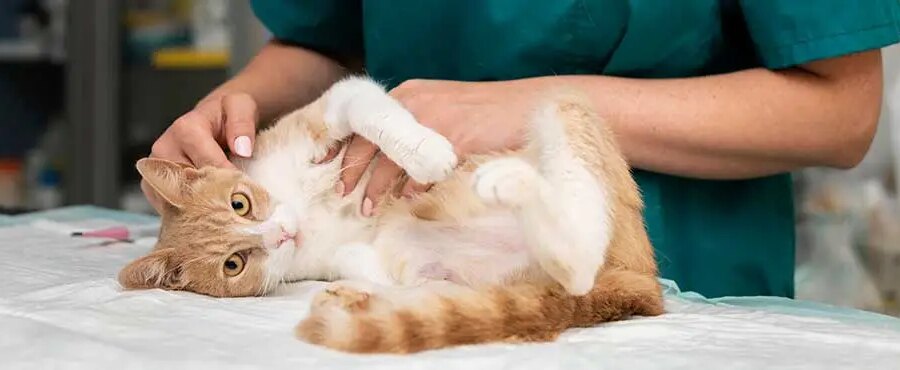
If your cat is like most cats, it spends the day sleeping and the night hunting. In the meantime, you can see her doing what she does best: strictly following her daily grooming schedule or relaxing by the window, jumping every now and then.
While she will do everything in her power to convince you that she can take care of herself, she needs your help when it comes to preventing the risk of serious illness. It is easy to think that, being an animal, it can protect itself from any form of danger, but this is not true.
Vaccines for cats are essential to help them stay healthy throughout their lives. You may think that many diseases are not a threat to your cat, but all diseases are to an unvaccinated cat.
Learning more about the diseases for which there are vaccines is the first step in making an informed decision when taking your cat to the vet. So, if you’re wondering what vaccines cats need, read on.
VACCINES FOR CATS
Feline panleukopenia virus (FPV) belongs to the same family as canine parvovirus, which is why it can survive in the environment for up to a year. In addition to the environment, the disease is transmitted through the body fluids of infected cats. Vaccination is essential because most cats will be exposed to VPF at some point in their lives.
The virus causes an abnormally low level of white blood cells. Symptoms may include lethargy, diarrhea, vomiting, severe dehydration, fever, and death. Fortunately, one dose of the vaccine usually prevents infection.
Feline infectious rhinotracheitis is an upper respiratory tract infection. The disease is caused by feline herpesvirus type 1 and is also called feline herpesvirus type 1. The virus is transmitted between cats, so it is essential to vaccinate your cat, especially if it meets other cats.
Symptoms of the infection include sneezing, loss of appetite, fever, eye and nasal discharge. Treatment for infected cats is limited. Even if the cat recovers, it becomes a lifelong carrier.
Feline calicivirus causes an upper respiratory tract infection similar to feline rhinotracheitis. There are different strains of calicivirus, some cause symptoms and some do not. They are all highly contagious and spread through body fluids.
Symptoms include fever, ulcers and blisters on the tongue, and pneumonia (inflammation of the lungs), which can range from mild to severe, depending on the strain of the virus present. Treatment of the disease can be difficult. Even if recovery occurs, a recovered cat may continue to infect other animals, as well as experience sneezing, chronic runny nose and severe gum disease. Vaccination is important.

Rabies is 100% deadly and 100% preventable. For this reason, the rabies vaccine for cats is essential. This viral disease affects the central nervous system of almost all mammals, including humans.
Rabies is transmitted through contact with the saliva of infected animals (which can include skunks, foxes, raccoons and bats), a bite or any skin lesion. The proportion of infected bats transmitting the disease continues to increase worldwide and is particularly concerning in urban areas.
Vaccination will give cats much higher resistance to rabies if they are exposed to the disease. Once rabies is transmitted, there is no treatment. Many municipalities require that all cats be vaccinated against rabies regularly. To travel and leave at the guesthouse you need a vaccination certificate. It is essential to protect your cat from any deadly disease.

Feline viral leukemia is a form of blood cancer that suppresses the cat’s immune system, putting him at increased risk for many other cancers, anemia, immune-mediated diseases, reproductive problems and intestinal inflammation.
Cats that appear healthy can carry and transmit the virus through saliva, as well as through other bodily fluids such as tears, urine, and even feces, as it sometimes takes months or even years for symptoms to appear.
As a result, the virus can and does spread easily, making it one of the most significant threats of illness and death to unvaccinated cats. Feline leukemia vaccination is only recommended for uninfected cats, so your cat should be tested for this virus before vaccination.
Chlamydia is a zoonotic disease, meaning it can be transmitted from cats to humans. This bacterial infection affects the membrane around the eyes, causing conjunctivitis. It can also affect the upper respiratory tract (nose, sinuses and throat).
The disease is highly contagious, especially among kittens. While the vaccine does not completely protect cats from infection, it can reduce its severity and risk. Vaccination is not essential, but it helps.
When it comes to keeping your cat healthy for life, cat vaccines offer solid protection against the threat of serious disease.
Talk to your vet about your cat’s habits and lifestyle so that together you can decide which vaccines will benefit your cat and your family for a long and happy life together.
Are you looking for a vet?
The veterinarian has a very important role in the animal’s health. Enter your location information and get a list of vets near you.
FIND A VETERINARY DOCTOR
latest posts published

Diabetes in dogs and cats

Car travel with pets: prepare for the journey

7 questions to consider when you want to get a dog

How to protect your pet on hot summer days

Domestic dangers for dogs | Here are the most common household risks for dogs

The best Julius K9 harnesses and leashes for fun summer days
Common diseases of cats. Causes and symptoms

How to take care of your four-legged friend during the holidays

How to help your dog deal with the fear of driving?
