
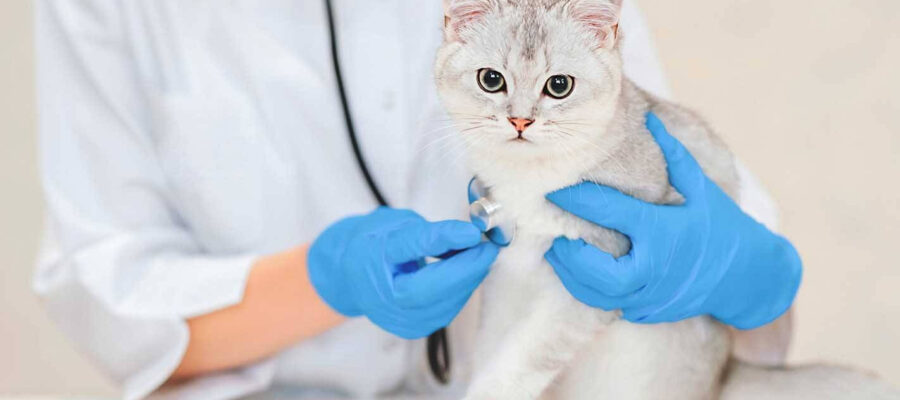
Even though cats are an unparalleled example in terms of hygiene and the care they reserve for themselves, when it comes to ailments, unfortunately, small felines cannot prevent them. Precisely for this reason, the first symptoms that the cat shows must alarm the owners, because they are the only ones who can intervene and help cure the diseases.
We see What are the most common and common health problems of cats:
1. Vomiting
Vomiting is a very common problem in cats and its causes can be multiple; from eating food too quickly or ingesting a poisoned animal, to infections, urinary tract disease, diabetes or hairballs. The symptoms in this case are obvious and include:
- salivation;
- abdominal swelling.
If you notice a frequent habit of vomiting, there is a risk that the cat is excessively dehydrated. Therefore, to avoid dehydration first and foremost and then to prevent or treat any condition, speak to your vet as soon as possible and strictly follow his instructions and advice. Frequent vomiting, also called chronic vomiting, can occur as a symptom of conditions such as diabetes, food intolerances, liver failure, ulcers, pancreatitis, parasites, kidney failure, diabetes, or urinary tract infections.
2. Lower urinary tract disorders (FLUTD)
FLUTD is a whole complex of problems of the cat’s urinary system, urethra and bladder.
This condition occurs mostly in overweight cats, but stress, a multi-cat household, or even sudden changes in the cat’s life can also be risk factors. The main symptoms of this condition are:
- difficulty urinating;
- excessive water consumption;
- blood in urine;
- a lot of time spent in the litter box;
- urinating outside the litter box;
- meowing while urinating;
- lack of appetite;
- persistent hygiene around the urination area.
Neutered, overweight, middle-aged cats or those fed exclusively dry food are more prone to this condition. If you observe many of the symptoms listed above, or especially if you notice that your cat is unable to urinate, consider this symptom an emergency and call your vet immediately. With the help of urinalysis, ultrasound, hematological and biochemical tests it will be possible to establish a clear diagnosis and, of course, appropriate treatment.
3. Fleas
A common problem among cats, due to the easy mode of transmission, are fleas. They are classified as parasites that feed on the blood of the feline and which can negatively affect the life of the feline and its owners. Although they are found everywhere and cat flea infestations most often come from the backyard or park where the cat has access, the good news is that they can be easily removed. The main signs that the cat has fleas are:
- constant scratches and scratches;
- frequent licking;
- red or irritated skin;
- hair loss;
- skin infections.
If fleas are left untreated, the cat risks serious health problems that include anemia, hypersensitivity, also known as allergic dermatitis or bartonellosis, which in turn can lead to heart disease, eye inflammation or damage to the mouth or gums.

4. Worms
One of the most common internal health problems among felines is worms. They generally live in the cat’s body, feeding on the nutrients that the feline organism assimilates from food. Worms found in a cat’s body can be tapeworms, roundworms (which are round in shape), heartworms (which live in the cat’s heart and gently block blood vessels), roundworms, or giardia. When your cat hosts these parasites, it will show symptoms such as:
- vomit;
- weight loss;
- matted fur;
- swollen belly;
- diarrhea.
It is very important to constantly monitor the cat’s health, especially if worm eggs or even whole worms are observed, either around the anus or in the litter, because they can also be transmitted to humans and compromise the health of both the feline and the owners.
5. Eye disorders
Eye problems in cats can be caused by a number of factors, such as conjunctivitis, corneal ulcers, cataracts, trauma, viruses, inflammation or retinal disease. The first symptoms that the cat will show when suffering from these conditions are:
- watery eyes;
- wet fur around the eyes;
- dirt in the corners of the eyes;
- sticky eyes;
- itching in the eye area;
- the tendency to keep one’s eyes closed
- pus.
The vast majority of the eye diseases listed above have similar symptoms, and identifying the real problem is difficult, even for specialists, at first glance. But what is important is that these conditions represent an emergency and must be treated as soon as the first signs are noticed, because we all know that, for cats, eyes are the most precious possession, which makes them so special and adorable.

Sources:
latest posts published

Diabetes in dogs and cats

Car travel with pets: prepare for the journey

7 questions to consider when you want to get a dog

How to protect your pet on hot summer days

Domestic dangers for dogs | Here are the most common household risks for dogs

The best Julius K9 harnesses and leashes for fun summer days
Common diseases of cats. Causes and symptoms

How to take care of your four-legged friend during the holidays

How to help your dog deal with the fear of driving?
