
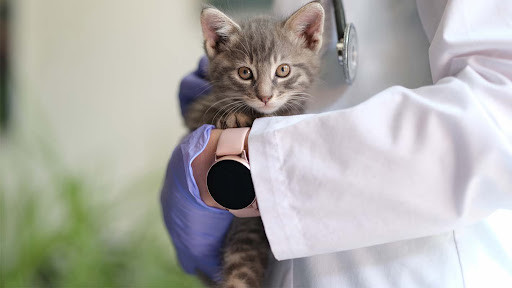
When a cat suffers from various ailments, it has a special style to hide its pain. For this reason, cat parents must always pay attention to what a feline expresses, how it behaves and what it does differently from one day to the next, in order to identify the existence of a possible pathology as soon as possible. Therefore, the energy level, the desire to play, the appetite, the level of water they consume as well as urination or defecation habits are some aspects to constantly monitor.
When it comes to defecating, it’s pretty easy to tell if there’s something wrong with your cat. Of course, here we are talking about indoor cats, who frequently use the litter box, not cats who live outdoors, who retreat to a hidden place to do their business without the owner being able to supervise. So, things to look for when defecating are consistency, color, frequency, and odor. When the consistency is abnormal, repetitive, i.e. soft, it means that your cat is suffering from diarrhea.
What is diarrhea in cats and how serious is it?

Feline diarrhea refers to the cat’s loose, loose stools, which are usually frequent and quantitative. This is the result of rapid movement of fecal matter through the intestines, combined with reduced absorption of water, electrolytes, and nutrients.
In most cases, diarrhea is a common symptom of several conditions, which may appear as the only symptom or as one of many other symptoms of a health problem. Most often, diarrhea occurs in young, elderly, pregnant cats, or those with chronic diseases. Regardless of the category your cat belongs to, when you notice that he has diarrhea for more than 24 hours, it is very important to contact your veterinarian to check his health status.
As for the degree of severity, you can analyze the consistency of the stool a little. If this is less solid than usual, the gravity is not as great. But if the stool is liquid, it is a real cause for concern, because diarrhea directly contributes to dehydrating the cat and removing nutrients from the body.
Furthermore, if in addition to diarrhea the cat shows signs of weakness, abdominal pain, fever or lack of appetite, it is obvious that it is not mild diarrhea to be ignored.
What causes diarrhea in cats?
If we talk about causes of diarrhea, we can refer to bacteria, intestinal worms, viruses or irritations caused by chemical toxins or poisonous plants.
Additionally, a change in diet, food allergies, or intolerance to various ingredients can lead to diarrhea. There are also some diseases whose main symptoms are diarrhea, namely liver disease, kidney disease, pancreatitis, diabetes or cancer.
How is the cause of diarrhea diagnosed?
When your cat arrives at the vet, they will review its medical history, perform a physical exam, and, in some cases, request fresh samples for laboratory testing. When you go to the vet, you’ll want to have a record of when the diarrhea started, how frequent it is, and information about what it looks like. If the situation seems more serious, your veterinarian may include blood, DNA, endoscopic examination, x-rays, or tests for bacterial cultures in the list of tests and tests.
If you notice that the diarrhea is mild, there are some things you can do at home to help your cat recover. But before you decide to treat it at home, make sure that your cat DOES NOT have the following symptoms:
- she does not vomit, she is not depressed, she has no pain, she is not lethargic;
- diarrhea is not watery, explosive, profuse, or very frequent;
- the diarrhea does not contain blood or is not very dark in color.
After making sure that your cat does not fall under the above-mentioned cases, you can try some home remedies with the following methods:
- Simplify your cat’s diet by eliminating any extra treats he previously received or human food you still share with the feline. It is not advisable to completely change his diet immediately, because this action can lead to other conditions. For mild diarrhea, focus on simple, high-quality, complete dpdv foods. nutritionally. If diarrhea started after changing your cat’s food, try feeding him the food he had previously eaten to make sure the new food isn’t causing the diarrhea;
- Try giving your feline small portions of easy-to-digest food:
- Encourage water and electrolyte intake because when your cat has diarrhea, he begins to dehydrate. So keep your water bowls fresh and clean, and consider adding extra bowls in various corners of your home. Another way to encourage hydration is to gently add 1-2 teaspoons of water to the wet food they are already eating.
If you notice that your cat’s health is not improving, or worse, seek treatment from your veterinarian. He or she may advise you to feed your cat a small amount of food or a strictly special veterinary diet that provides a balance of fiber. Additionally, your veterinarian may prescribe probiotics or antidiarrheal agents to help with this.
Conclusion
Cats are known for their independent, elegant, and mysterious nature. However, one of their most striking characteristics is their ability to hide pain or illness. Unlike many other animals, cats, driven by an innate survival instinct, often conceal signs of discomfort. In the wild, weakness exposes them to predators, and this instinct remains deeply ingrained in the behavior of domestic cats, even in their safer environments. Therefore, it is crucial for cat owners to closely monitor subtle changes in their cat’s behavior and daily routines.
Careful observation is one of the most effective ways to detect potential health problems early. Subtle changes in behavior can sometimes be the first signs of health issues. For example, sudden loss of energy, loss of interest in playing, or unusual lethargy may indicate that the cat is unwell or sick. Changes in appetite—whether significantly reduced or increased—can also point to underlying health problems that require attention.
Water intake is another important factor to monitor. Cats drinking significantly more or less than usual may have conditions affecting fluid balance or organ function. Changes in a cat’s urination or defecation habits can also provide important clues about their health. For example, difficulty using the litter box, changes in stool consistency, or unusually frequent urination may all indicate underlying problems.
Besides these physiological signs, behavioral changes can also suggest underlying discomfort in a cat. A normally docile and affectionate cat that suddenly becomes withdrawn, aggressive, or unusually quiet may be trying to relieve pain. Cats typically communicate through body language, posture, and facial expressions. Therefore, recognizing these signals helps cat owners detect any abnormalities in their feline companions promptly.
Early detection is crucial for a cat’s health. Early detection of unusual behaviors or symptoms makes it easier to consult a veterinarian before the condition worsens. Regular veterinary checkups, combined with careful observation at home, are the best strategy for maintaining a cat’s health.
Ultimately, caring for a cat well means fully understanding its daily habits and personality. By paying attention to a cat’s energy levels, appetite, water intake, and behavioral changes, cat owners can better understand what their cat is trying to convey. This attention not only helps prevent serious health problems but also strengthens the bond between pet and owner. With careful observation and responsible care, cats can enjoy a healthier and more fulfilling life with their families.
latest posts published

Diabetes in dogs and cats

Car travel with pets: prepare for the journey

7 questions to consider when you want to get a dog

How to protect your pet on hot summer days

Domestic dangers for dogs | Here are the most common household risks for dogs

The best Julius K9 harnesses and leashes for fun summer days
Common diseases of cats. Causes and symptoms

How to take care of your four-legged friend during the holidays

How to help your dog deal with the fear of driving?
