

We all know that image: the cat that suddenly flees under the sofa when the door is closed too loudly, frightened by a falling spoon in the kitchen, or disappears completely when a guest trespasses on its territory. They are frequent and apparently natural reactions for a cat, but when they are constantly repeated we begin to wonder: why does he get scared so easily? And above all, what can we do to help her?
Cats are deeply sensitive creatures. Although we like to see them as absolute masters of their space, courageous, agile and independent, the reality is that many of them live in a fragile balance between curiosity and fear. And this balance can easily be destabilized by loud noises, new smells, unfamiliar people or simply a change in routine.
Fear in cats is a natural reaction, but when it becomes frequent it compromises the quality of life because it can become more withdrawn, more silent, less affectionate or, on the contrary, it can vocalize excessively, avoid interaction or even demonstrate destructive behaviors.
The truth is that it is not necessary to teach a scared cat to stop being afraid, but it is necessary to understand it, respect it and gently guide it into a safe space. Fortunately, with a little observation, empathy, and a few simple tricks, you can turn your cat’s fears into safety and comfort.
Why do cats scare easily?
Cats, by nature, are attentive and vigilant creatures. Even if we consider them safe, agile and often territorial, we must not forget that they are, at the same time, prey and prey animals. This means that they are “programmed” to quickly notice any changes in the environment, and fear reactions are a natural defense mechanism.
However, when these reactions become frequent, intense, or occur for seemingly no reason, it is a sign that your cat is experiencing a state of stress or anxiety that is affecting his balance.
What could be the causes?
- ⮞ Previous traumas: Adopted cats, especially those from unstable environments, may be more prone to fear.
- ⮞ Insufficient socialization: a cat that has not been gradually exposed to different people, sounds, or environments will perceive the unknown as danger.
- ⮞ Environmental changes: moves, renovations, new furniture or even new smells can trigger stress reactions.
- ⮞ Sudden or frequent noises: the vacuum cleaner, fireworks, telephones or doorbell are the most common noises that can induce a feeling of fear.
- ⮞ Lack of predictability: an unpredictable routine makes her feel out of control.
What can you do to reduce his fear?
Fear does not disappear through coercion, but through trust built over time. Calming a scared cat doesn’t mean forcing him to be braver. You can’t ask her to suddenly relax in an environment that overwhelms her. The key, however, is to make yourself that constant element that gives him security.
A sensitive cat’s trust is earned through patience, repeatability and empathy. There are no quick recipes. But once your cat feels that you are not rushing him and that you accept his pace, he will start to come out of his shell of fear. And then you will see small but precious changes: a softer look, a longer stay next to you, a discreet bust. These are all signs that he feels you are part of his security.
Here’s what you can do:
1. Create a safe space like a quiet room with a bed, toys and places where he can hide when he feels the need. You can also bring his favorite food or cat treat there so he knows you understand his fear.


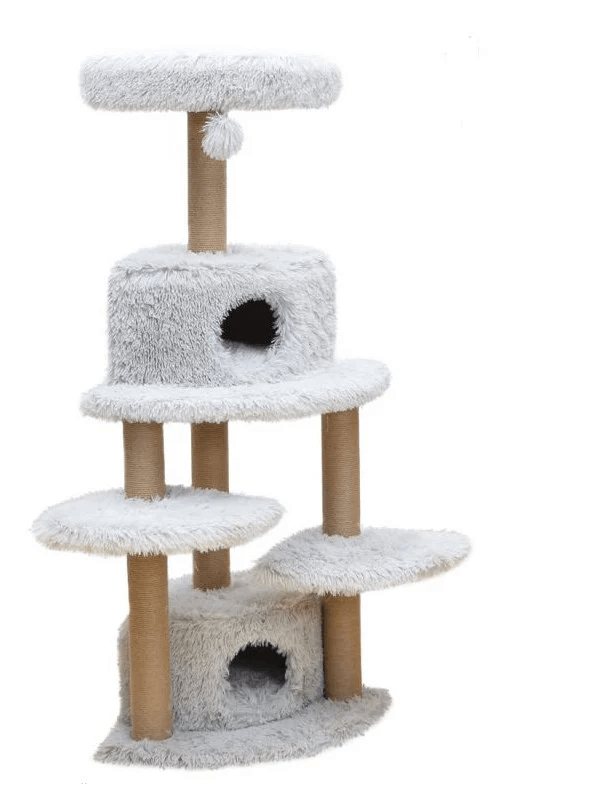
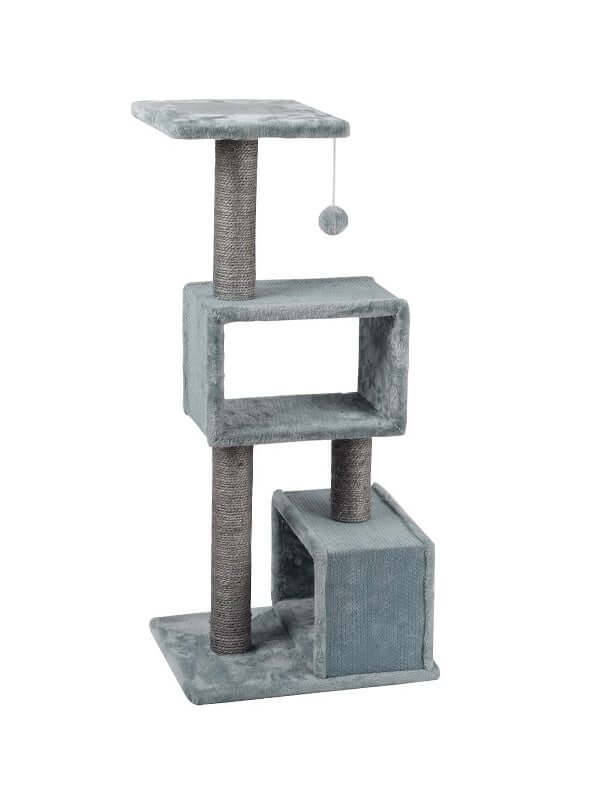
2. Maintain a consistent routine feed her at the same times, stay on track with play or bedtime and avoid sudden changes.
3. Talk to her kindly, but don’t force it and avoid chasing her when she hides. Give her time to feel ready to go out. Calm words, low voice and slow pace matter enormously.
4. Avoid triggers. If you know he is afraid of the vacuum cleaner, use it in another room and announce his presence in advance. Does the ringing bother you? So turn down the volume or opt for a softer signal. If thunderstorms or fireworks are announced outside, close the curtains and create a calm sound environment in your home. A background of relaxing music or even the sound of the TV can have a calming effect. Sudden, unpredictable noises can become less scary if the indoor space remains predictable and gentle.
5. Provide mental stimulation because a constantly stimulated cat gains more self-confidence. Interactive games, windows to observe the outside or short gaming sessions can combine relaxation with fun.
6. Never punish her for fear because fear is not incorrect behavior, but a sign of insecurity.
In your cat’s world, you are translated by what you give, namely space, routine and patience. And if you choose to stand by him with kindness, you may see him slowly change. Not spectacular. Not right away. But enough to know that it feels better. And that you have largely contributed to this change.
Sources:
latest posts published

Diabetes in dogs and cats

Car travel with pets: prepare for the journey

7 questions to consider when you want to get a dog

How to protect your pet on hot summer days

Domestic dangers for dogs | Here are the most common household risks for dogs

The best Julius K9 harnesses and leashes for fun summer days

Common diseases of cats. Causes and symptoms

How to take care of your four-legged friend during the holidays

How to help your dog deal with the fear of driving?
