

The moment you bring a dog into your home you begin to truly understand how special your four-legged friend is. Naturally, you want to do everything you can to keep him healthy and protected throughout his life.
One of the best things you can do is take the time to understand the importance of available preventative health measures, including vaccination.
Vaccines are like armor for your dog . They help the body gain the strength and ability to fight disease-causing bacteria or viruses that your dog may encounter at any age. It is important to protect your dog.
Your vet will explain which vaccines are essential, along with those required by law in your country. Vaccination is so effective at controlling debilitating and often deadly diseases that in many cases the diseases no longer even seem like a threat.
Infection is always a threat to an unvaccinated dog. Vaccines protect all members of your family from the threat of serious diseases.
MAIN VACCINATIONS
Veterinarians agree that your pet should be protected from diseases that are very common, highly contagious, and cause severe symptoms. They are considered vaccines that protect against these diseases the main vaccines.
These diseases include canine Carré disease, canine infectious hepatitis, canine parvovirus, and rabies. Other vaccines may be recommended, depending on your veterinarian’s assessment of high risks for factors such as your dog’s environment and lifestyle. These are called secondary vaccines.
CARRE’S DISEASE
Need: Principal
Canine Carré disease is a highly contagious viral infection that is spread primarily through the nasal and eye secretions of infected dogs. This virus affects your dog’s digestive, respiratory, and often central nervous systems, causing neurological signs.
Vaccination is successful in preventing Carré’s disease. There is no specific antiviral treatment available for dogs who contract this often fatal disease.
CANINE PARVOVIROSIS
Need: Principal
Canine parvovirus is a contagious viral disease that affects puppies and unvaccinated adult dogs through direct or indirect contact with the feces of an infected dog. The virus is eliminated through feces.
This virus is highly resistant to many disinfectants and can remain in the environment for several months, making it easily transmissible. The infection spreads through the bloodstream and attacks areas such as the spinal cord and small intestine.
Some dogs no symptoms of infection while others may be very severely affected, with complete loss of appetite, severe vomiting and bloody diarrhea. While there is no specific treatment, dogs can recover with prolonged treatment with the help of a veterinarian. Vaccination remains the best prevention method.

INFECTIOUS HEPATITIS IN DOGS
Need: Principal
Canine infectious hepatitis (ICH) is a highly contagious disease caused by canine adenovirus type 1, which can range from mild to fatal. This disease is transmitted from dog to dog through contact with secretions such as saliva, urine or infected feces.
The signs are similar to those of the early stages of Carré’s disease. Symptoms range from mild fever and congestion to severe depression, marked leukopenia, and bleeding disorders. The disease can cause liver failure and eye problems.
In recent years, the disease has become rare in areas where vaccination is routine, but periodic outbreaks, which may reflect the persistence of the disease in nature and in wild hosts, reinforce the need for continued vaccination.
RABIA
Need: Main (in countries where rabies exists); Mandatory by law in some countries
Rabies is a 100% fatal disease, but also vaccine preventable. This is a virus that infects the central nervous system of all mammals.
Once infected, the animal (such as skunks, foxes, raccoons and bats) begins to behave erratically, for example nocturnal animals become active during the day, others become unusually aggressive and spread the disease by biting or scratching the skin.
Rabies bats pose a greater risk in rural areas, but they also pose a threat in some urban areas where you wouldn’t expect to find them. The rabies vaccine for dogs provides additional protection.
Rabies vaccination is required by law for dogs in many areas. For many countries you will need to provide vaccination history when checking into a boarding house or traveling with your dog.

LEPTOSPIROSIS
Need: Recommended for dogs with access to outdoor areas frequented by wild animals, especially rodents.
Leptospirosis is a bacterial infection that attacks the kidneys, lungs and liver of infected dogs. The infection is eliminated through the urine of various wild species, especially rodents, which are called “reservoirs” of leptospirosis.
Dogs contract the disease by coming into contact, directly or indirectly, with infected urine, mainly by drinking or swimming in contaminated water sources (streams, rivers, swamps and artificial lakes). After infection, leptospires are transported by the bloodstream and reach various tissues and organs.
Signs of the disease can range from mild to severe, leading to liver or kidney failure and sometimes hemorrhagic lung disease. There are many different pathogenic serogroups of leptospira, but in most cases dog disease is caused by strains of four serogroups; vaccination is available and recommended to protect against strains of these four different serogroups.
Leishmaniasis is caused by a small parasite called Leishmania, which is transmitted through the bite of the sand fly, a blood-sucking flying insect widespread in Latin America, southern Europe, the Middle East and Asia.
Leishmaniasis is also a zoonosis, meaning that an infested sand fly can transmit the disease to humans through its bite. Leishmaniasis is a chronic disease that affects a variety of tissues and organs and can cause a multitude of clinical signs, such as skin lesions, weight loss, anemia, lameness, and kidney failure.
There is treatment for infected dogs, but it takes up to six months and relapses are common. Vaccination can help protect dogs from chronic infestation by the Leishmania parasite; however, it is strongly recommended that sandfly repellent collars be used in conjunction with vaccination.
LYME DISEASE
Need: Recommended for dogs living outdoors in areas where the disease is endemic
Lyme disease occurs when a tick carrying the bacterium Borrelia burgdorferi bites a dog. If left untreated, Lyme disease can cause arthritis and other health problems.
We hope we’ve answered some of your questions about which vaccines to consider by highlighting the types of diseases that pose the greatest risk to your dog over his lifetime.
It is essential to discuss vaccination with your vet . Be sure to talk to your vet about your and your dog’s lifestyle so you can plan a prevention regimen that will ensure you live a happy and safe life.
latest posts published

Diabetes in dogs and cats

Car travel with pets: prepare for the journey

7 questions to consider when you want to get a dog
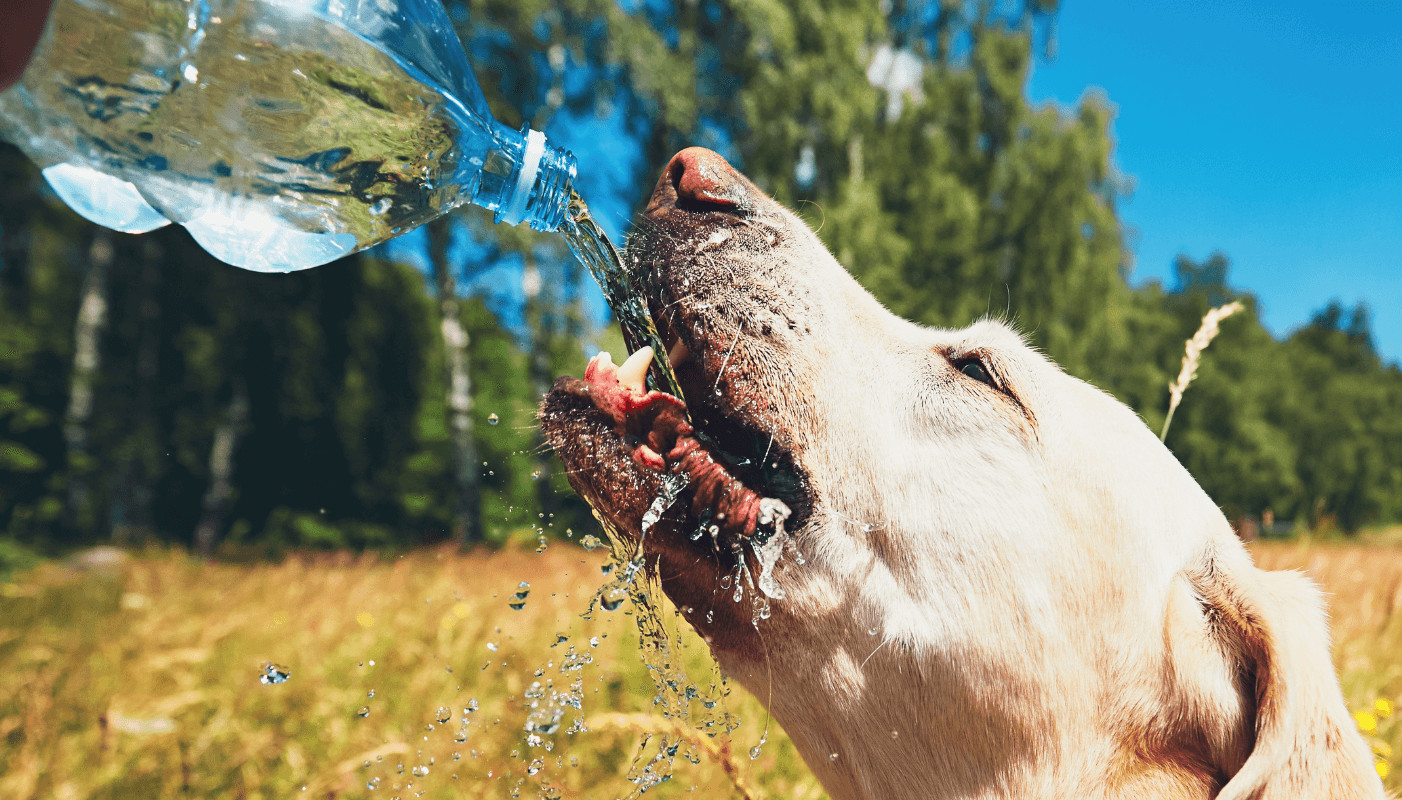
How to protect your pet on hot summer days

Domestic dangers for dogs | Here are the most common household risks for dogs

The best Julius K9 harnesses and leashes for fun summer days

Common diseases of cats. Causes and symptoms

How to take care of your four-legged friend during the holidays

How to help your dog deal with the fear of driving?
