
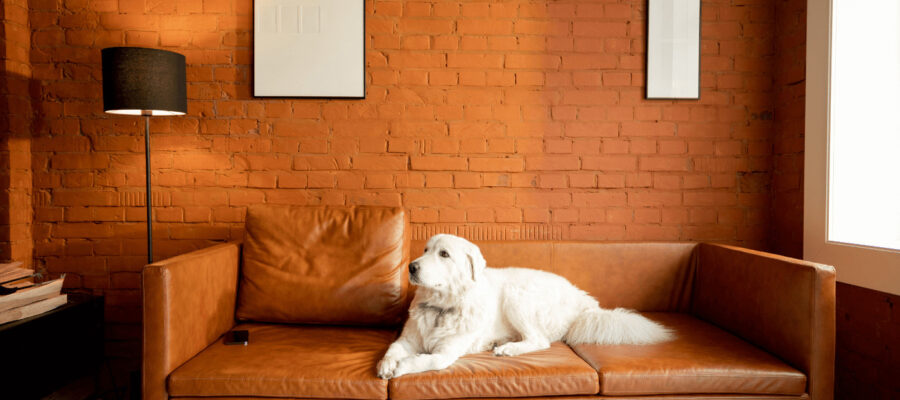
Dogs are wonderful and lovable animals that are part of the family and bring a lot of joy to young and old. But, just like young children, dogs don’t always understand that there may be some objects in the house that pose a potential risk to their health and safety. As pet owners, it is everyone’s responsibility to ensure that homes are safe and free of danger for our furry friends.
Here are the most common household risks for dogs
Toxic foods for dogs – Many foods that are safe for humans can be toxic to pets. Chocolate, bones, coffee, alcohol, grapes, nuts, raw meat, and onions are some of the most common foods that can be toxic to dogs and that foodies can easily access. And, as tasty as they are, your four-legged friends will definitely try them. Keep all food stored up high or in secure containers out of reach of dogs.

Chemicals – cleaning chemicals, insecticides or antifreeze can cause serious harm to dogs if ingested or licked from surfaces. Many household cleaning products contain harsh chemicals that can be toxic to dogs. Symptoms of chemical toxicity can range from vomiting and diarrhea to seizures.
To ensure safety and keep your dog away from these substances, we recommend storing them in a safe, high place, where the chances that your four-legged friend can reach them are minimal. Even with regards to cleaning products, it is very important to pay close attention to their composition. It is not enough to store them in a safe place, especially if they are toxic even after being used on the floor or furniture. For even greater safety, eco-friendly and organic cleaning products can be a better and healthier alternative for all family members.
Small or sharp objects – accidentally forgotten, dropped or simply left in plain sight in the hope that your four-legged friend will ignore them, small objects pose a major choking hazard to dogs if ingested. Furthermore, sharp objects that could cause injury should be kept closed or away from the quadruped.
Electrical cables – representing a big risk even for children, for dogs the risk can be greater because they have a tendency to gnaw on the electrical cables in the house. This habit can lead to electrocution or, playing with electrical cables, can lead to suffocation. If you want to eliminate any risk, keep cables and wires away or purchase special cable protectors.
Garbage bins – Dogs like to rummage in the garbage and there they can certainly find food scraps that are dangerous for them, bones or other substances that they can see. Make sure trash cans have secure lids and are inaccessible to your furry friend.
Plants toxic to dogs – There are many plants that are used to decorate homes and gardens but which are dangerous for dogs. Plants such as mistletoe, lily, marigold, lilies of the valley, daffodils, ivy, geraniums and many others can cause serious health problems for pets. To eliminate this risk, keep problem plants out of your pet’s reach or replace them with other pet-safe plants.
Human medicines – Even though most medications are good for us, the same medications can be really dangerous for dogs. These can cause problems such as ulcers, kidney failure, vomiting and even death. Be sure to store human medications in a locked cabinet or out of reach of your dog. If you accidentally dropped even a pill on the floor, don’t ignore it because the dog will find it easily.
On top of all this, open heat sources can cause accidental burns, and open windows and balconies can cause serious accidents, fractures or other complications.
If you suspect that your pet has ingested or come into contact with certain objects or substances that are dangerous for him, it is important to pay attention to common signs that he may be showing, namely:
- diarrhea or bloody stools;
- seizures or tremors;
- lethargy or hyperactivity;
- excessive salivation;
- vomit;
- loss of appetite;
- loss of coordination;
- inflammation in certain areas of the body;
- unusual materials in stool.
As soon as you notice any of the symptoms listed above, it is important to speak to your vet and detail the possible substances or objects your four-legged friend has come into contact with.
To try to keep your four-legged friend busy throughout the day, especially when you’re not around, give him some interactive toys to occupy his time with so that he doesn’t have the temptation to “rummage” around the house in unauthorized places.
It is important to be extremely vigilant about potential dangers in your home that could harm your pets. Preventing exposure to these risks requires active surveillance and closing of closets and trash cans, as well as regular cleaning and maintenance of the home. But despite all the friendship and unconditional love a dog offers, it is worth every effort and sacrifice.
Conlusion
Dogs are loyal companions who bring warmth, happiness, and unconditional love into our homes. For many families, they are not just pets but true members of the household. Their playful energy, curiosity, and affectionate nature make everyday life more joyful for both children and adults. However, this same curiosity can also place them in situations where their health and safety may be at risk, especially inside the home where many common objects can pose hidden dangers.
Just like young children, dogs explore the world using their senses, particularly their mouths and noses. They may chew, lick, or swallow things that attract their attention without understanding the potential harm those objects might cause. Household items such as cleaning products, medications, small objects, certain foods, electrical cords, or toxic plants can become serious hazards if they are within a dog’s reach. Because of this, creating a safe living environment is one of the most important responsibilities of a pet owner.
Ensuring home safety for dogs does not require drastic changes, but it does require awareness and thoughtful organization. Simple steps such as storing cleaning supplies and medicines in secure cabinets, keeping harmful foods out of reach, covering electrical cords, and choosing pet-safe plants can make a significant difference. Regularly checking the home environment for potential hazards can also help prevent accidents before they happen. Prevention is always easier and safer than dealing with an emergency situation.
Another key aspect of keeping dogs safe is supervision and training. Teaching dogs basic commands such as “leave it” or “drop it” can help prevent them from interacting with dangerous objects. At the same time, paying attention to a dog’s behavior and providing safe toys and activities can redirect their curiosity toward harmless forms of play and exploration. A well-stimulated dog is less likely to seek out risky objects around the house.
Pet owners should also educate all family members about potential dangers to dogs. Children, in particular, should learn which foods, objects, and behaviors may harm a pet. When everyone in the household understands how to contribute to a safe environment, the risk of accidents decreases significantly.
Ultimately, providing a safe home for a dog is part of the love and care that comes with pet ownership. By being attentive, proactive, and responsible, families can create an environment where their furry companions can thrive without unnecessary risks. When safety measures are in place, dogs can continue to explore, play, and share their affection freely, bringing even more happiness and comfort to the homes they are part of.
latest posts published

Diabetes in dogs and cats

Car travel with pets: prepare for the journey

7 questions to consider when you want to get a dog
How to protect your pet on hot summer days

Domestic dangers for dogs | Here are the most common household risks for dogs
The best Julius K9 harnesses and leashes for fun summer days
Common diseases of cats. Causes and symptoms

How to take care of your four-legged friend during the holidays
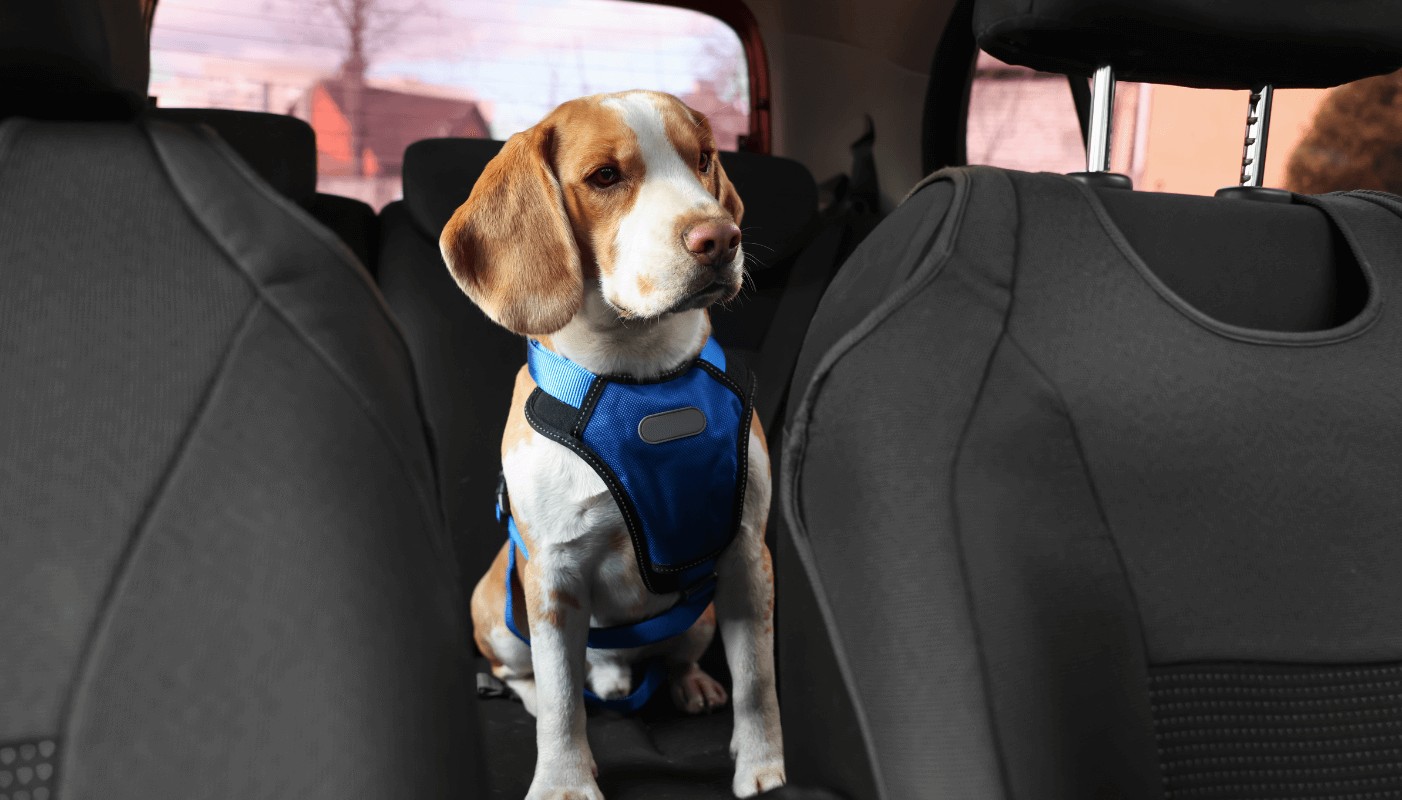
How to help your dog deal with the fear of driving?
