
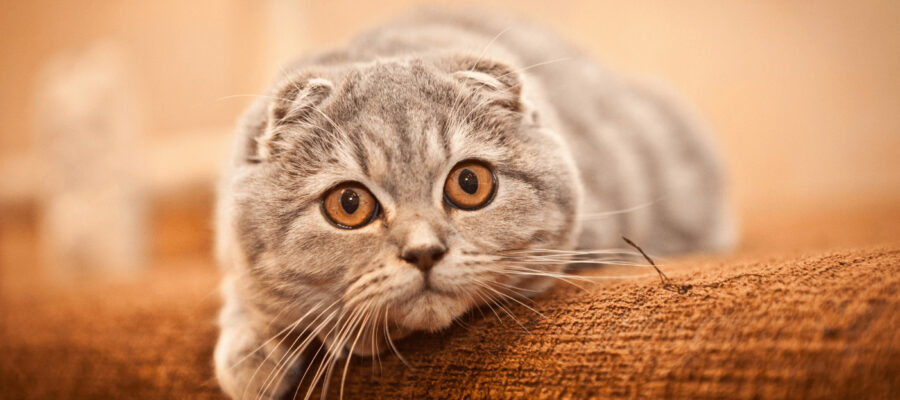
Regardless, Scottish Fold cats are some of the most adorable and unique cats around. These cats have won the hearts of many people for their characteristic appearance, especially their small, droopy ears, round, light eyes, but also for their friendly personality.
Origin of the Scottish Fold cat breed
The Scottish Fold is a breed of cat native to Scotland, hence the name. The first time such a cat was seen in 1961, when a Scottish shepherd accidentally saw a kitten with folded ears. This breeder, fascinated by the beauty of the kitten, adopted it and raised it together with other local kittens, with the aim of founding this new breed, which he succeeded. Over the years, the breed has faced some controversy. In the 1970s, the Scottish Fold breed was almost banned in the UK due to concerns about the development of osteodystrophy. Due to this concern, breeding of this breed in the UK has been discontinued. At the same time, renowned specialists from the United States, after much work and effort, managed to eliminate this gene that causes osteodystrophy and make this breed capable of developing, growing and enjoying millions of people.
Personality of the Scottish Fold cat breed
Scottish Fold cats are known for their calm demeanor and affectionate personality. They usually love to spend time with all family members and play. They are also very intelligent and curious, being always eager to explore their surroundings and regarding the presence of other animals in the house, Scottish Fold cats do not despise them, easily managing to get along with them and even make friends with them. It’s not for nothing that they say that Scottish Fold cats hate loneliness 😊. Last but not least, these adorable furry ones are known to be great companions even when it comes to children.
Appearance of the Scottish Fold cat breed
The Scottish Fold is a medium to large breed that comes in almost any color and can be found in both short and long hair. As for weight, at maturity males can reach up to 7 kg, and females up to 5 kg, with a life expectancy of between 9 and 12 years. The body of the Scottish Fold cat, especially the head and muzzle, are generally round and the eyes are large and extremely round. The nose is short with a gentle curve and the body is muscular with legs that are shorter than other breeds and rounder. Of course, what makes them so special are the ears, which are small, rounded-tipped and slanted on the head. As for the tail, it is thick, of medium length, which must be handled delicately. Some cats of this breed can develop stiffness in the tail and if the tail is handled aggressively or incorrectly, it can cause pain to the feline.
Common Health Problems in Scottish Fold Cats
Although they are unique in appearance and beauty, this breed is not risk-free in terms of ailments. They are prone to some health problems, especially those related to bones and cartilage. Because of their folded ears, they are prone to excessive buildup of earwax, mites, and possible ear infections. Owners should be vigilant in keeping ears clean and free of deposits and seek veterinary assistance if problems arise.
Scottish Fold cats are also at risk for polycystic kidney disease, a genetic condition that affects the kidneys and can lead to kidney failure as they age. Cardiomyopathy is another condition that Scottish Fold cats are prone to, a condition that makes it harder to pump blood through the body due to thickening of the heart muscle.
In addition to genetic health problems, Scottish Folds can experience other common problems such as dental problems, hairballs, obesity, allergies, conjunctivitis or gastrointestinal disorders. Regular dental cleaning, proper care and a balanced diet can help prevent these problems.
Caring for Scottish Fold cats
One of the essential aspects to pay attention to when you have a Scottish Fold at home is its diet. Being a medium to large breed, these cats require a balanced and nutritious diet, rich in proteins and low in carbohydrates. Good quality super premium food is recommended to provide them with all the nutrients they need. Of course, you also need to pay close attention to the amount of food, because these cats are prone to obesity and by avoiding overfeeding it is possible to maintain a healthy weight.
Another important aspect of caring for your Scottish Fold is its exercise needs. As a relatively active breed, physical activities are important to keep them healthy and happy. Because they love to play, it is essential that they always have a variety of cat toys available, whether classic or interactive. Interactive toys like District 70’s Whirl Black or the remote-controlled Speedy Mouse can help stimulate their natural hunting instincts, keeping them occupied for even a few hours.


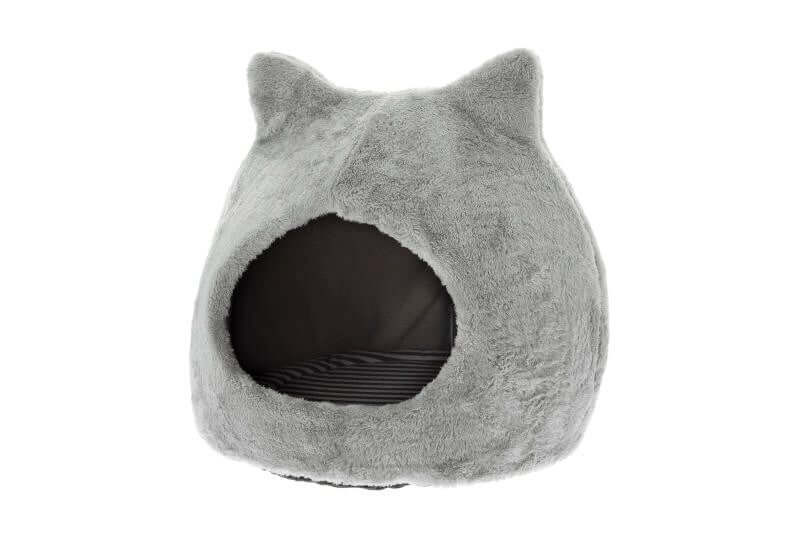
Providing a clean, well-groomed environment along with a soft, comfortable bed are another important part of their care. As for the fur, depending on the length, it will need to be brushed daily or weekly to eliminate dead hair and keep the skin healthy. Their unique ears require special attention and should be cleaned regularly with a gentle solution, recommended by a veterinarian, to prevent earwax buildup and possible infection.
Overall, Scottish Folds are a lovely breed that requires proper care and attention to live a healthy and happy life. But by giving them everything they need, these adorable felines can be wonderful companions for all family members, bringing peace, happiness and many other health benefits, benefits that we invite you to discover in our blog article What benefits a cat can give us and what its needs are.
PS Did you know that all Scottish Fold kittens are born with straight ears? In some kittens, in the first month, the ears begin to fold and take on the shape that we know as representative of this breed.
Sources:
latest posts published

Diabetes in dogs and cats

Car travel with pets: prepare for the journey

7 questions to consider when you want to get a dog

How to protect your pet on hot summer days

Domestic dangers for dogs | Here are the most common household risks for dogs

The best Julius K9 harnesses and leashes for fun summer days
Common diseases of cats. Causes and symptoms

How to take care of your four-legged friend during the holidays

How to help your dog deal with the fear of driving?
