

When it comes to cats and heartworms there are some misunderstandings that need to be clarified. The most common myth holds that heartworm rarely, if ever, occurs in cats.
While it is true that the prevalence of heartworm disease in adults appears to be less common in cats than in their canine friends, it is probably more accurate to characterize heartworm disease in cats as differentcompared to the disease it causes in dogs.
Since heartworm disease in cats can be serious and even life-threatening, let’s take some time and look at the data and what we can do to protect our furry, four-legged companions.
What is heartworm disease?
Heartworm disease is a serious and potentially fatal disease that affects dogs and cats in many areas of the world. It is caused by worms that live in the heart, lungs and related blood vessels, causing severe damage to the lungs and other organs in the body.
In dogs and cats, “heartworms” can develop into adults, mate, and reproduce within the body. Heartworm disease in dogs can cause significant long-term damage to the heart, lungs and blood vessels and affect the dog’s health.
Feline heartworm disease is different, as the cat’s health can be affected by immature heartworms in the form of a condition known as heartworm-associated respiratory disease (HARD), and fewer of these worms survive to adulthood in cats.
Indeed, heartworm disease presents a diagnostic challenge in cats and often goes undiagnosed. Prevention for this disease is available for both dogs and cats.
For dogs that have not received adequate protection, there are also medications that can be used to treat heartworm infestation, but these cannot be used in cats, so prevention is the only way to protect your feline friend from heartworm.
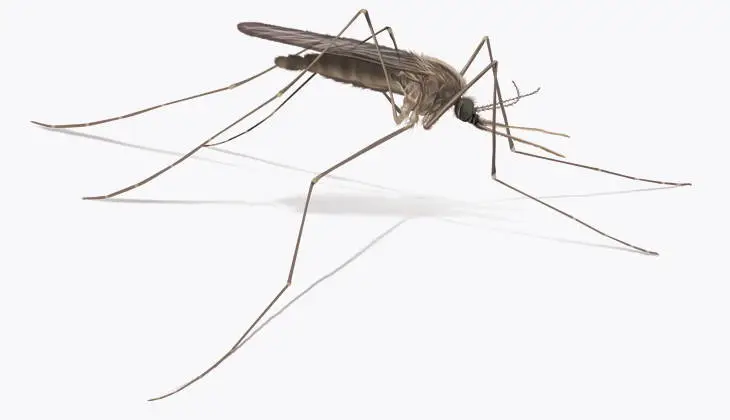
How is heartworm disease transmitted?
Mosquitoes are primarily responsible for the spread and transmission of heartworm disease in pets. Adult female heartworms living in the body of an infested animal, such as a dog, fox, coyote, or wolf, produce microscopic worms called microfilaria that circulate in the bloodstream.
When a mosquito bites an animal and feeds on blood, it collects these microfilariae, which develop and mature into the “pest stage” of larvae, which will eventually be deposited in another animal’s skin by another mosquito bite and blood feeding.
Once inside a new animal host, it takes approximately 6-7 months in dogs and 7-9 months in cats for the larvae to mature into adult heartworms. In the mature form they can live from 5 to 7 years in dogs and up to 2 or 3 years in cats.
What are the signs of heartworm disease in cats?
Because heartworm disease often goes undiagnosed in cats, the signs of infestation can be very subtle, sometimes confused with other problems, or in some cases can be quite dramatic. Signs may include coughing, asthma-like attacks, vomiting, loss of appetite, or weight loss.
Occasionally, an infected cat may have difficulty walking, have seizures, faint, or suffer from fluid buildup in the abdomen. The most dramatic signs are the sudden collapse or even sudden death of a cat.
What is the risk of my cat developing heartworm disease?
Heartworm disease occurs worldwide in subtropical, tropical, and temperate regions. Every year, climate change causes heartworm disease to spread to new areas of the globe.
In the United States, the disease has been diagnosed in every state, and because of the many variables, risk factors are impossible to predict. Changes in weather patterns, migration of families, pets and the presence of wild carriers increase infestation rates.
And because infested mosquitoes can enter your home, both pets and outdoor animals are at risk.
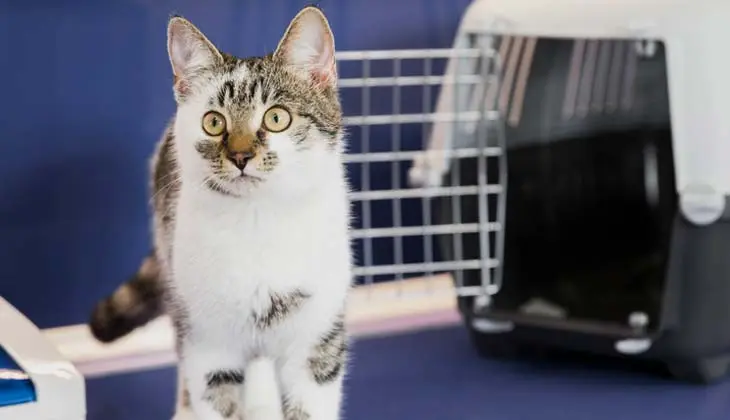
What should I know about testing my cat?
Heartworms can mean a serious situation, so the sooner they are identified, the better. Tests that try to detect exposure and the presence of heartworm require a small sample of your cat’s blood.
Unfortunately, these tests are not as accurate in cats as they are in dogs, so don’t be surprised if additional testing is needed, which we’ll talk about below.
It is recommended to have your feline friend checked by your veterinarian once a year and before preventive treatment is administered. Since heartworm disease in cats cannot be cured, prevention is key.
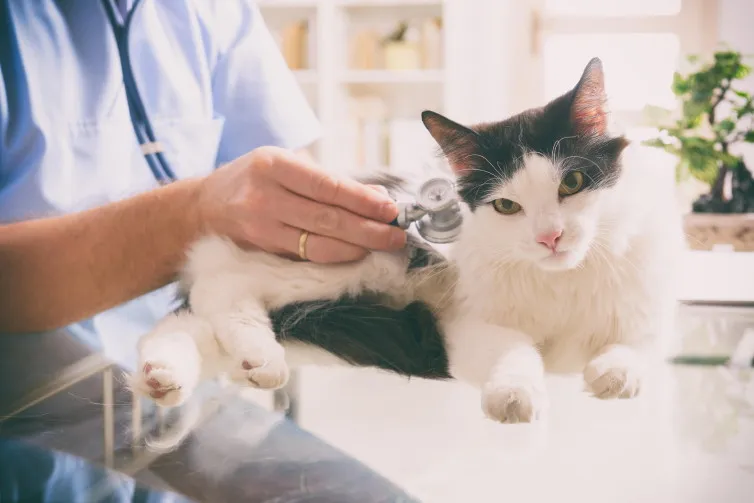
What happens if my cat has heartworm disease?
Some infestations resolve on their own because the heartworm can die in the cat’s body before reaching the adult stage. Unfortunately, cats can still have respiratory problems.
Heartworms in the circulatory system can also affect your cat’s immune system and cause symptoms such as coughing, wheezing, and difficulty breathing. Heartworms in cats can also migrate to other parts of the body, such as the brain, eyes and spinal cord, causing significant damage there.
If your sweet kitty tests positive for heartworm, here are some things to expect:
- Diagnostic . Because the presence of heartworms is not always as obvious as in dogs, the diagnosis can be complicated and require a physical exam, several types of blood tests, including a complete blood count and a chest x-ray. An ultrasound may also be done to look for heartworm in the surrounding blood vessels.
- Treatment . Unfortunately, there is no safe and effective drug treatment for this disease in cats. However, cats with heartworm disease can often be helped with proper veterinary care. The goal is to stabilize the cat and determine a long-term management plan to manage the symptoms your cat is experiencing.
- MONITORING . Cats may experience spontaneous remission, but the damage caused by heartworm may be permanent. If your cat is showing no respiratory signs, but heartworm disease has been identified in the lungs, lung x-rays may be recommended every 6 to 12 months.
- Veterinary medical assistance . If mild respiratory signs are observed, treatment may include oral or injectable medications to help reduce these signs. If severe signs are observed, additional support may be needed. Your veterinarian may recommend hospitalization to provide treatment, such as intravenous fluids, medications to support the lungs and heart, and specialized general care. In some cases, surgical removal of the heartworm under anesthesia may be recommended.
Heartworm prevention
It is important to prevent heartworm infestation in your cat by administering preventative medications, available in pill and topical forms. Most of them need to be given monthly, but there are some that can be given every 2 to 3 months. Preventive medications can prevent the infestation from developing if an infected mosquito bites your cat.
Approved heartworm medications work by killing the parasite when it is in the larval stage, as well as the infesting larvae laid by the mosquito, as well as the subsequent larval stage that would develop in your cat’s body.
Because adult heartworms cannot be effectively eliminated, it is extremely important that these preventative medications are administered exactly as intended.
Kittens are just as susceptible to heartworm disease as adult cats, so it is recommended to begin heartworm prevention as early as possible, according to the product insert.
To keep your feline friend healthy and heartworm-free, the most important thing is to go to the vet for routine checkups so he can check for all health problems, including heartworm prevention.
The vet will weigh the cat and make sure it is given the correct dose of preventative medicine. You should also consult your veterinarian if you have any concerns or questions about your furry friend’s health.
latest posts published

Diabetes in dogs and cats

Car travel with pets: prepare for the journey

7 questions to consider when you want to get a dog

How to protect your pet on hot summer days

Domestic dangers for dogs | Here are the most common household risks for dogs

The best Julius K9 harnesses and leashes for fun summer days
Common diseases of cats. Causes and symptoms

How to take care of your four-legged friend during the holidays

How to help your dog deal with the fear of driving?
