

Curious in its own way, the cat has the habit of rummaging in all the corners of the house and, when it has the chance, in all the open cupboards. We often find her cute when we see her so interested in exploring and learning about new places, but this exploration can put her life in danger. Each of us has various objects or products at home that are unhealthy for felines and that we need to keep as far away as possible.
1. Medicines for human use
Although you have heard from various sources that there are human drugs that are also beneficial for cats, you should not take them into account and, more importantly, you should not give them to your cat without consulting your veterinarian because cats have difficulty metabolizing some drugs.
There are some human medications that pose a real danger to felines, such as:
- slimming pills;
- vitamins and supplements;
- cold or immunity medicines;
- antidepressants;
- anti-cancer drugs;
- analgesics.
Therefore, it is very important that the pills administered to the cat are kept in a place inaccessible to the cat, to avoid any risk, because their ingestion can cause gastric ulcers, kidney failure, damage to red blood cells, breathing difficulties, anemia or even death.
2. Food for humans
With small eyes and a heartwarming “beg”, the cat can make it very easy for you to give in and share the delicious dishes you serve. But you should know that no matter how tempting it is, even a small amount of the food we eat can harm them, causing anemia, destruction of red blood cells, abdominal pain, vomiting, diarrhea, dehydration or seizures. The most toxic food products for human consumption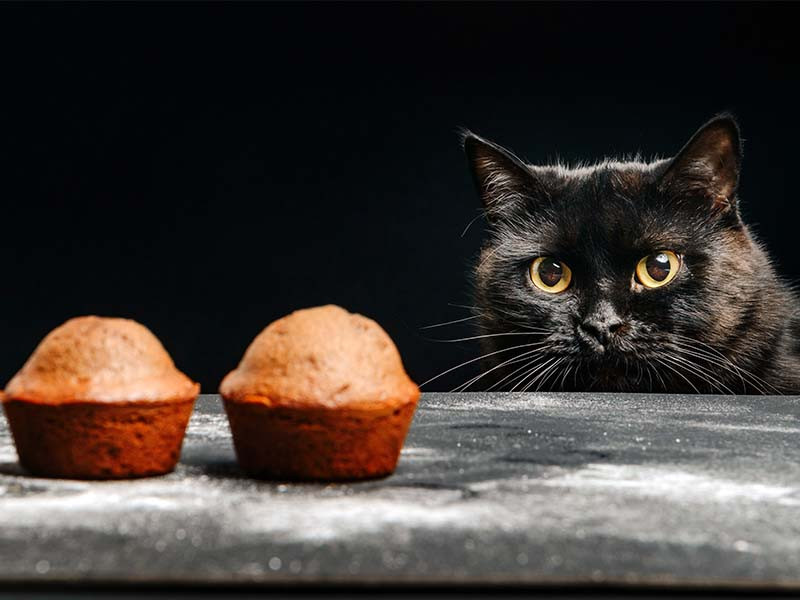 I am:
I am:
- caffeine or alcohol;
- chocolate or sweets;
- grape;
- garlic or onion;
- xylitol;
- bone;
- milk;
- or raw.
So, try to avoid sharing these foods with the feline and, at the same time, do not leave them unattended because the appetite is great and the talent in “stealing” or capturing its prey is innate.
3. Plant
As much as we love plants and want to have a cheerful and flowery home, when a cat also lives under the same roof, we have to give up some plants because many of them can be toxic to cats. We all know how fascinated cats are when they see new leaves or flowers in the house! So, before you buy a new flower, make sure it is safe for your cat.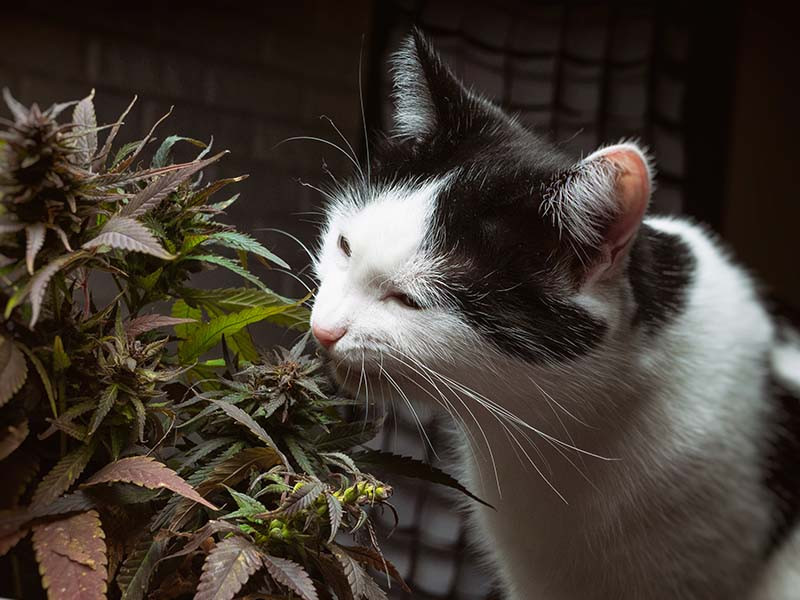
What plants are dangerous for cats?
- aloe vera;
- hyacinths;
- chrysanthemums;
- lily;
- mistletoe;
- tulip;
- bat;
- ficus;
- the Christmas star;
- narcissus
However, if your favorite plant is at risk but you particularly want to have it at home, then make sure to place it in a place where the cat cannot access it, even if left alone in the house.
4. Insecticides and chemicals
There are some chemicals that cats find delicious, but which can be extremely harmful if ingested. To avoid any type of problem, it is very important to keep all these substances in a safe and secluded place and to use only products that are non-toxic to cats for cleaning the house.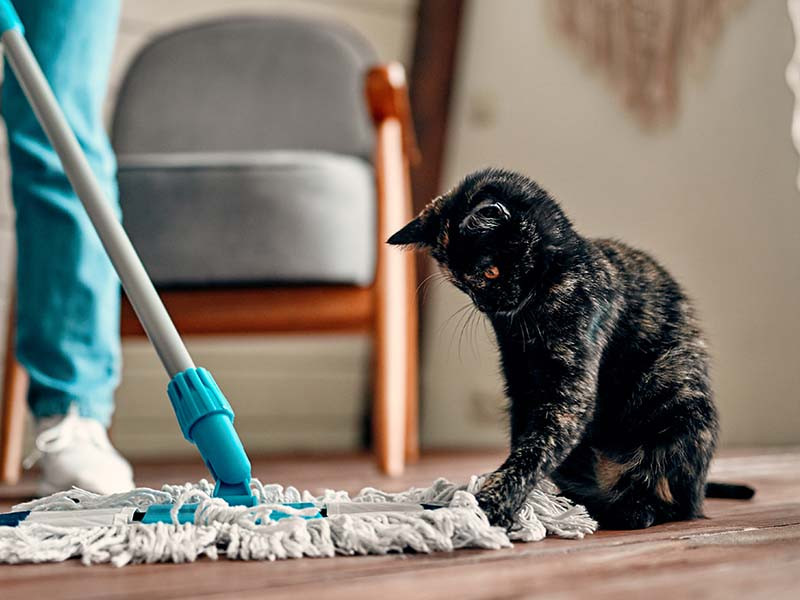
What chemicals are dangerous for cats?
- whitening products;
- detergents;
- anti-freeze salts;
- fertilizers;
- herbicides;
- insect bait;
- insecticide.
These products are dangerous to felines when they drink a contaminated substance, when they put their noses on various air fresheners, when they eat a poisoned parasite, when their fur is cleaned with toxic substances, or when excess cleaners are used and the cat steps on them after cleaning.
Other objects that pose a danger to cats
- dental floss, string, rubber bands, coins;
- decorations for parties or various occasions;
- toys with small detachable parts;
- folding chairs or folding furniture that can serve as temporary kennels for cats;
- the stove-oven which can be seen as a heat source.
When one of the toxic substances infiltrates the body, it directly affects a certain organ. In this case, the cat’s symptoms will be much more specific, associated with the affected organ:
- when the stomach or intestines are affected, the cat will have frequent vomiting;
- when the airways are affected the cat will have difficulty breathing;
- when the heart is directly affected, it will have palpitations or, conversely, slow beats.
- when the kidneys are affected, the cat urinates excessively;
- If the toxic substance hits the feline’s throat or mouth, it will have difficulty swallowing:
- other common symptoms of cat poisoning are: confusion, breathing problems, depression, diarrhea, cough, dilated pupils, frequent urination, excessive salivation, convulsions and tremors, vomiting, skin irritation, weakness.
For your cat’s safety, make sure that all doors are closed in rooms where the cat does not have access, that dangerous foods are out of reach, that medicines and dietary supplements are stored in a safe place out of the cat’s reach, and that household products, chemicals and plants dangerous to cats are placed out of the cat’s reach.
Also, if you notice any of the symptoms listed above, call your vet immediately and try to find out what the cause is and what risks the feline has been exposed to, so you can provide as many details as possible to the doctor.
Sources:
latest posts published

Diabetes in dogs and cats

Car travel with pets: prepare for the journey

7 questions to consider when you want to get a dog

How to protect your pet on hot summer days

Domestic dangers for dogs | Here are the most common household risks for dogs

The best Julius K9 harnesses and leashes for fun summer days
Common diseases of cats. Causes and symptoms

How to take care of your four-legged friend during the holidays

How to help your dog deal with the fear of driving?
