
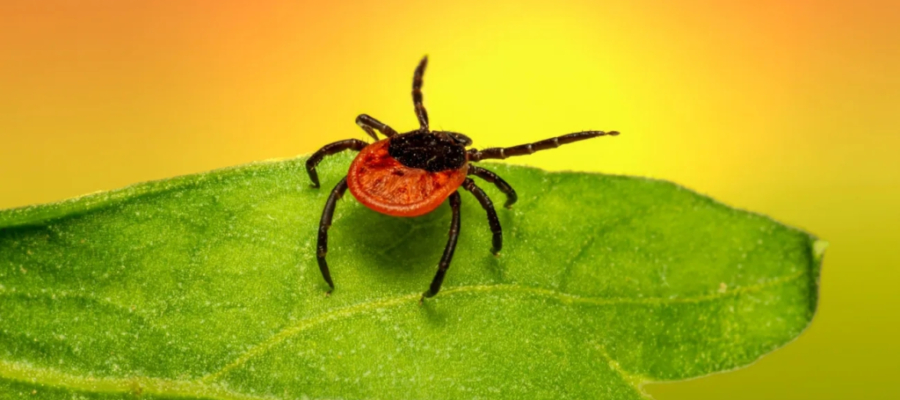
What do you really know about the health risks of animal parasites like fleas on dogs?
Many people think that fleas, ticks and other external parasites are nothing more than a nuisance for our pets. Sure, they’re a little annoying and annoy our dogs and cats, but that’s all, right?
Well, in fact these unwanted guests can cause a number of serious health problems for our beloved companions. When they come into contact with our pets, parasites can transmit numerous diseases, some of which can be fatal.
To keep our animals safe we must stop parasites before they can transmit disease.
The most important external parasites
Many types of external parasites can affect our pets, but particular attention must be paid to ticks and blood-sucking insects (also called “vectors”), which can transmit serious diseases.
What we can read in a scientific article:
“VECTOR-BORNE DISEASES CONSTITUTE A DIVERSIFIED GROUP OF DISEASES, CAUSED BY MANY PATHOGENS, TRANSMITTED THROUGH ARTHROPOD VECTORS, SUCH AS MOSQUITOES, FLEAS, TICKS AND MONSTERS. THE CORRECT MANAGEMENT OF THESE DISEASES IS VERY IMPORTANT, BECAUSE THE HUMAN AND VETERINARY VIEW, CONSIDERING THAT MANY OF THESE PATHOGENS CAN BE TRANSMITTED TO DOGS AND HUMANS, WHO USUALLY LIVE TOGETHER.”
So let’s take a look at each of these parasites.
ticks
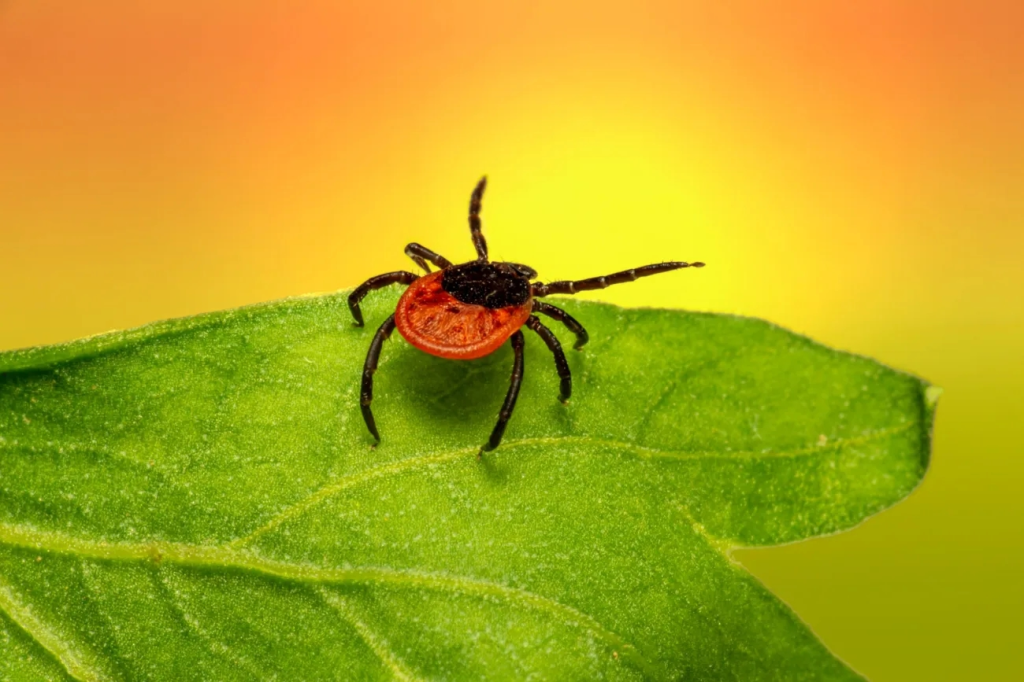
Ticks are small arachnids that feed on blood and are commonly found in grassy and wooded areas; However, they can also very easily populate urban parks. They attack our pets by climbing plants and tall grass and attaching themselves to the animal’s fur when it is around.
Ticks can transmit numerous serious diseases, including babesiosis, which causes anemia and can be fatal to animals; anaplasmosis, which can lead to high fever; and several rickettsial diseases, dangerous for both humans and animals.
Unfortunately, it is common to find ticks on dogs and cats, and thanks to rising temperatures, these blood-sucking arachnids are more active than ever. As the weather warms, ticks may remain active longer than usual during the summer and fall and may spread into areas that were previously too cold.
In fact, ticks are now a year-round problem in many countries. To avoid them and protect our pets and family from the diseases they transmit, we must use protections year-round.
Fleas
Fleas are wingless insects that feed on blood, whose presence we report especially on dogs, cats and small domestic mammals.
Fleas can jump several times their height, allowing them to cling to the fur of our pets and thus get inside. This makes them a year-round problem; Although they need warm temperatures to survive, the warmth of your home allows them to reproduce and stay active. 95% of a flea’s life cycle takes place in the home, not on the pet, so for every flea that lives on our four-legged friend, there are many more waiting to take its place. This is why the animal needs continuous protection against fleas.
Fleas can cause allergic dermatitis, an allergic reaction to the saliva of these insects which can be very annoying for dogs and cats; due to intense itching, pets can lose their fur and even hurt their skin. Fleas can also transmit bartonellosis, also known as cat scratch disease. The Big Flea Project, conducted in the UK in 2018, found that 11% of fleas carried the bacteria that cause bartonellosis. Humans can contract the disease when handling animals infested with fleas, flea droppings, or from bites and scratches, putting pet owners at greater risk.
mosquitoes
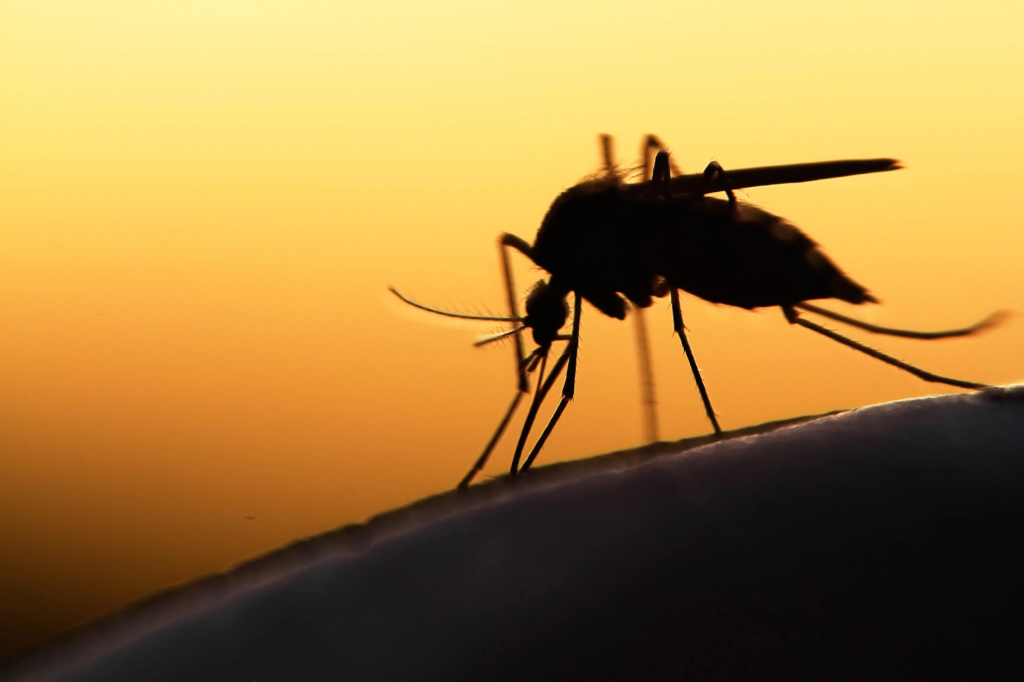
Mosquitoes are a widespread problem throughout the world, especially in warm, humid areas such as lakes or swamps. Although they can rarely fly more than 80 kilometers, they can still travel long distances as stowaways in people’s luggage.
Like ticks, mosquitoes take advantage of rising temperatures. The warmer and wetter climate allows them to spread across Europe and reach countries that were previously too cold. Several tropical species, such as the Asian tiger mosquito, are now found in several European countries.
Mosquitoes are known to transmit malaria to humans, but they can transmit several diseases to dogs and cats including heartworm, a small worm that can block animals’ organs and, unfortunately, is often fatal.
Sand mice
Sand midges are small, winged mosquito-like insects. They are found in southern Europe, but their range appears to be now expanding northwards due to rising temperatures; specimens have been reported in northern France and Germany4.5.
Sand midges are usually active at dusk and can pose a serious problem if they bite us or our pets. They can transmit leishmaniasis, a serious disease that can affect both dogs and humans.
Stay informed to stay safe
As we have seen, the pest threat is expanding across Europe in response to environmental changes.
As a first step towards animal protection, we recommend that you speak to a veterinarian for specific protection against parasites for the health of you and your family. There is no substitute for the quality advice a veterinarian can give you, personalized advice based on your pet’s breed, age, personality, lifestyle and area of residence.
We also recommend watching this video which highlights the risks posed by parasites.
Additionally, there are some measures you can take to protect your dogs and cats:
· Adequate protection against ticks . A long-term tick treatment for dogs and cats will kill the parasites before they can transmit the disease. Make sure you protect your pets all year round.
· Check the internal spaces. Flea eggs, larvae and pupae can live in the most hidden corners of the house, so vacuum under carpets, in the folds of upholstery and wash the pet’s bedding frequently.
· Brush the animal often. The best option is, of course, long-term protection against fleas, but if you are suspicious, a quick brushing can reveal fleas in the fur – use a special flea comb and also look for small black marks – flea droppings. If you find fleas, remember that it takes 1-2 weeks of continuous treatment to eliminate an infestation.
· Maintain cleanliness in the outdoor space. Ticks and mosquitoes can nest in your home, so keep it clean and throw away all old things you no longer need.
For more information on the risks our dogs face from rising temperatures and what you can do to keep them safe, download our science-based guide to pet health.
Are you looking for a vet?
The veterinarian has a very important role in the animal’s health. Enter your location information and get a list of vets near you.
FIND A VETERINARY DOCTOR
1. Dantas-Torres, F., & Otranto, D. (2016). Best practices for preventing vector-borne diseases in dogs and humans. Trends in Parasitology, 32(1), 43-55.
2. Abdullah, S., Helps, C., Tasker, S., Newbury, H., & Wall, R. (2019). Pathogens in fleas collected from dogs and cats: distribution and prevalence in the UK.Parasites and Vectors, 12 (1), 1-10.
3. Britain, E.B., Maggi, R.G., Short, B.B., & Lappin, M.R. (2010). Bartonellosis: an emerging infectious disease of zoonotic importance for animals and humans. Journal of Veterinary Emergency and Critical Care (San Antonio, Tex.: 2001), 20 (1), 8–30.
4. Aspöck, H., Gerersdorfer, T., Formayer, H., & Walochnik, J. (2008). Sandflies and human-transmitted infections in Central Europe in light of climate change.Vienna Clinical Weekly, 120 (4), 24-29.
5. European Center for Disease Prevention and Control and European Food Safety Authority. (2021). Sand fly maps. ECDC.
latest posts published

Diabetes in dogs and cats

Car travel with pets: prepare for the journey

7 questions to consider when you want to get a dog

How to protect your pet on hot summer days

Domestic dangers for dogs | Here are the most common household risks for dogs

The best Julius K9 harnesses and leashes for fun summer days

Common diseases of cats. Causes and symptoms

How to take care of your four-legged friend during the holidays

How to help your dog deal with the fear of driving?
