
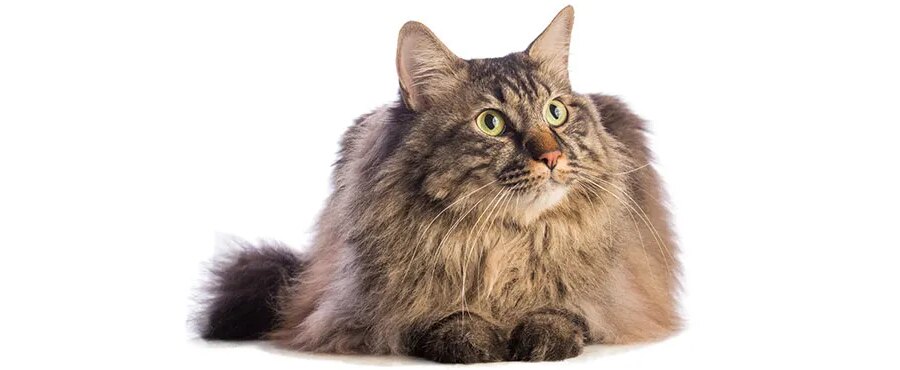
Cats come in various sizes and shapes, with different lengths and volumes of fur, so figuring out if you have an overweight cat isn’t always that simple. However, obesity is one of the most common yet preventable problems in cats.
Even moderate overweight can put your cat at increased risk for some common conditions that can reduce his quality and life expectancy:
- Diabetes mellitus
- Hepatic lipidosis: A life-threatening liver condition that can occur if an overweight cat stops eating
- Degenerative joint disease/osteoarthritis
Other conditions that may be indirectly linked to your cat being overweight include heart, bladder and skin problems.
HOW CAN I KNOW IF MY CAT IS TOO FAT?
Body condition is used to determine whether a cat is at a healthy weight, underweight, or overweight. You can learn to evaluate your body condition at home by following these three simple steps:
Body shape. See the cat above for an overview. Ideally, its body is hourglass shaped, being slightly narrower behind the ribs. If your cat has no waist and is round in shape rather than oval, he is probably overweight.
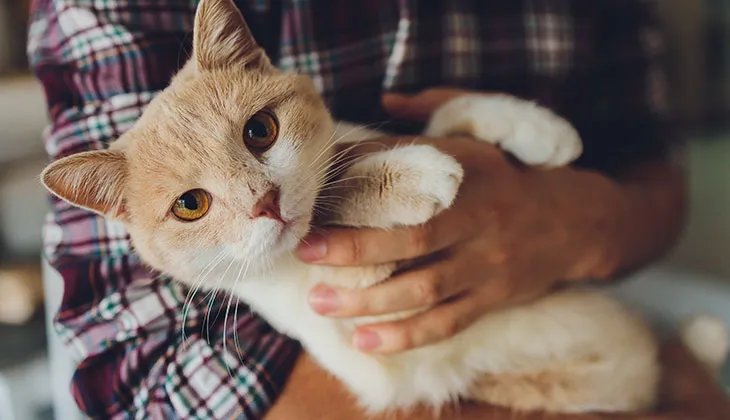
Palpate the ribs. Palpate your cat’s ribcage. If your cat is at a healthy weight, you should be able to feel his ribs easily. It’s important to use your fingertips because when you pet your cat with the palms of your hands, your cat’s fur can prevent you from feeling the ribs.
Side view. By looking at your cat’s profile, you can also determine if he is overweight. Does your cat have a sagging waist? Does your cat’s belly shake when he moves?
These characteristics might tell you that you have an overweight cat. Ideally, the bottom line of your cat’s abdomen should be higher than the rib cage rather than at the same level, and the abdomen should certainly not hang down.
Behavior
Overweight cats tend to be less active than those in optimal shape. Additionally, an overweight cat may have less social interaction with humans, as this involves voluntary physical movements.
MAKE A PLAN
If you think your cat is overweight, it’s a good idea to talk to your vet about a weight loss plan. To lose weight, you will need to adapt your meals, using specific nutritional products, portion sizes and frequency of eating.
It is not good to simply reduce the amount of food you are feeding your cat, as this practice can lead to malnutrition over time.
It is also dangerous for cats to lose weight too quickly, as this can lead to the development of a life-threatening liver condition called hepatic lipidosis.Ideally, your cat will lose weight gradually by combining the right food with exercise. It can take up to a year to reach your ideal weight and body condition.
Your veterinarian can help you choose the best diet for your cat and recommend suitable snacks that will not affect your cat’s weight loss process.
Cats are by nature exclusively carnivores and, unlike humans and dogs, must include meat in their diet to provide them with the specific amino acids and vitamins they need to survive.
In order for your cat to lose weight, he or she should eat a specially formulated balanced diet that is moderate to high in protein, low in fat and high in fiber. This will help the cat lose weight while keeping its muscles in optimal shape.
ONCE YOU BEGIN A PROGRAM, IT IS IMPORTANT TO BE CONSISTENT WITH PORTIONS AND MEAL FREQUENCY.
Experts recommend offering fresh food to adult cats once or twice a day, although cats may eat more often.
If you’re unsure about how much food to give your cat, there are now app-controlled feeding devices (like the SureFeed Microchip Pet Feeder from Sure Petcare) that can help you monitor how often your cat eats and how much is consumed.
Your vet may recommend regular weigh-ins to make sure the weight loss is not too rapid or too severe and to determine when he has lost enough weight.
You can also weigh your cat at home using several methods. Try weighing the cat in a basket and then compare the weight to the empty basket. You can also step on the scale with the cat in your arms and then weigh yourself again without the cat. Subtract the second weight from the value of the first weighing and you will get your cat’s weight.
Once you reach your ideal weight and body condition, your vet can help you establish a new maintenance plan.
PHYSICAL ACTIVITY
Encouraging your cat to be physically active will help him burn calories and strengthen his muscles. Plus, it entertains the cat and is a great activity for you and your cat to do together. Some of the ways you can get your cat moving include:
- Create an obstacle course for climbing and jumping at home.
- Use interactive toys that stimulate hunting behavior. By moving a string toy across the floor at regular intervals, you will encourage the cat to hide and attack.
- Play fetch with your cat. It may surprise you, but many cats love to run after a ball if it’s thrown at them, especially if it has a bell inside!
- Interactive feeders, also known as food puzzle games, are great for giving cats important mental stimulation by extending feeding time. These are extremely important for our feline friends, who tend to eat their food very quickly.
latest posts published

Diabetes in dogs and cats
Car travel with pets: prepare for the journey

7 questions to consider when you want to get a dog
How to protect your pet on hot summer days

Domestic dangers for dogs | Here are the most common household risks for dogs
The best Julius K9 harnesses and leashes for fun summer days
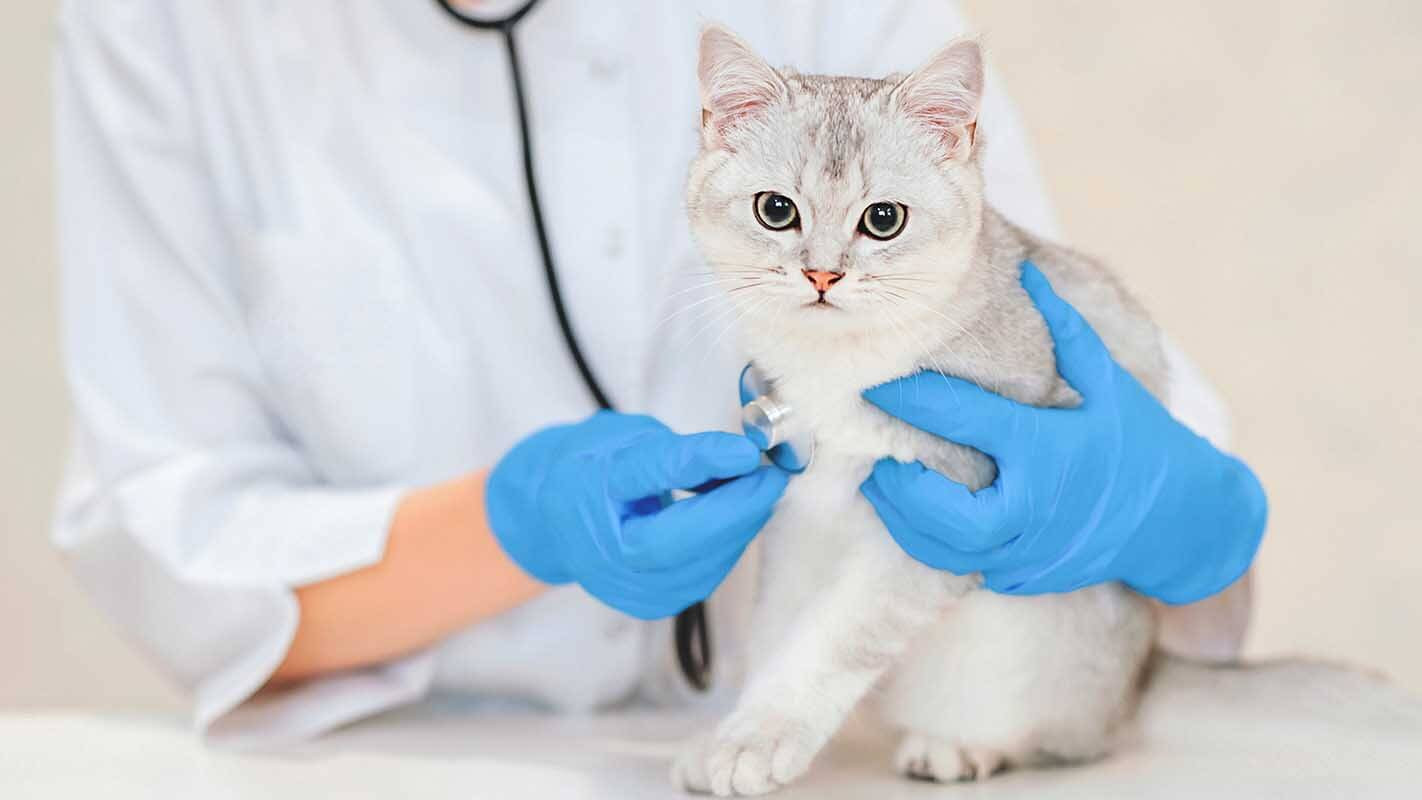
Common diseases of cats. Causes and symptoms

How to take care of your four-legged friend during the holidays
How to help your dog deal with the fear of driving?
