
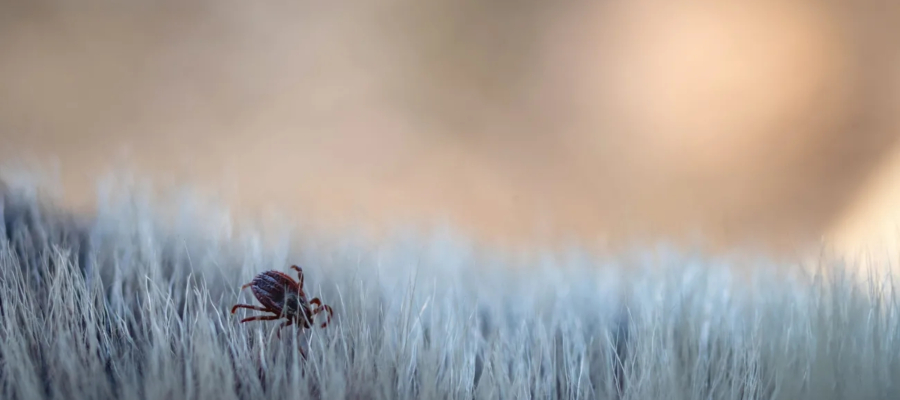
Parasites are typically tiny, only a few millimeters long and a few milligrams in weight. Yet, for millions of years, they have posed a global threat to us and our animals.
The key to their success lies in their adaptability. As noted in the journal *PLOS Biology* in 2010: “Parasites are known to evolve rapidly. Because they typically have short generation cycles and large populations, parasites can evolve much faster than their hosts.”
With rising temperatures, the threat posed by parasites may intensify at an unprecedented rate. Therefore, if we want to protect our pets (and our families), we need to understand their evolutionary patterns and know how to respond.
Parasites, dogs and humans: they evolve together
The history of humans, dogs, cats and their parasites is closely related.
Animal parasites have evolved over millions of years. But the domestication of animals was the step that gave parasites a perfect opportunity to increase their population and reach cows, sheep, cats and dogs.
Humans and animals began to live close together, often in unsanitary conditions. This created the ideal environment for the parasites to evolve further.
And now, due to rising temperatures, parasites appear in unexpected places and all year round. Experts Muriel Marion and Jacques Guillot mention:
Develop the ideal environment in which dogs can be infested with parasites
Much of what we consider civilized and modern is also beneficial to parasites.
Modern homes offer the ideal microhabitat for external parasites that infest our animals, especially fleas. Dogs and cats often live in warm homes, surrounded by family members. And parasites like fleas, which thrive in warm environments, can remain active for longer periods and find new hosts.
Pests also benefit from urbanization, which creates increasingly dense human and animal communities. Green spaces in urban areas provide common areas for wildlife and domestic animals, allowing pests to move from wild to domestic animals – and into our homes and gardens.
At the same time, the growing trend of traveling with pets means that pets may come into contact with parasites that are not found in the area of residence. These parasites can transmit “exotic” diseases to dogs and they can return home. If this happens more than once, a parasite-borne disease may become common in a new area.

Rising temperatures, increasing risk
Now, with ever-hotter temperatures and ever-shorter winters, parasites that were limited to certain areas of the world due to their need for warmth now face a new opportunity to further expand their range.
Take for example what parasitologist Michael Leshnik says about new Central European parasites.
What can we do…
Fortunately, we now have a wide range of treatments and preventative measures to avoid parasites in dogs and cats. With these tools we can create an effective protection plan throughout the year.
These plans should be based on regular visits to the vet’s office. Your veterinarian will be able to advise you on the best way to protect the health of your dog and cat and can give you specific advice based on your pet’s age, breed, lifestyle and place of residence.
Conclusion
Despite their extremely small size, parasites have had a profound impact on animals and humans throughout history. For millions of years, these organisms have survived and spread globally by adapting to ever-changing environmental conditions and hosts. Though only millimeters in size, they can affect the health of livestock, wildlife, and humans, making them a persistent and significant biological threat. Therefore, understanding the functions and evolutionary mechanisms of parasites is crucial for protecting animals and humans.
One of the key factors in the success of parasites is their astonishingly rapid evolutionary capacity. Because many parasites reproduce rapidly and have large populations, they adapt even faster than the organisms they infect. Scientific research, including studies published in journals such as *PLOS Biology*, demonstrates the astonishing rate of parasite evolution. This allows them to develop drug resistance, adapt to new hosts, and survive in environments where they previously struggled.
Environmental change also plays an increasingly important role in the spread and evolution of parasites. Rising global temperatures and changing climate patterns have created new opportunities for parasites and their vectors, such as ticks, fleas, and insects. Rising temperatures extend the activity period of these pests, allowing them to spread to areas previously unexplored. Therefore, pets and their owners may face an increased risk of parasite infection even in areas once considered relatively safe.
For pet owners, this evolving threat underscores the importance of proactive prevention. Protecting animals from parasites means not only responding to visible infections but also identifying potential risks early. Regular veterinary checkups, consistent use of preventative medications, and maintaining a clean environment are crucial for minimizing the risk of infection. By taking these measures, pet owners can significantly reduce the likelihood of their pets contracting parasites.
Another key aspect of parasite control is raising public awareness. Understanding how parasites spread, how environmental conditions affect their activity, and how quickly they change helps people make more informed decisions about prevention and care. Education and responsible pet ownership play a vital role in reducing the risk of parasite infection.
While parasites are a natural part of ecosystems, their rapid adaptability means they will continue to pose a challenge to animals and humans. By understanding relevant information, monitoring environmental changes, and taking effective preventative measures, we can better protect our pets and families. Raising awareness, remaining vigilant, and taking preventative measures remain the most important tools for dealing with the evolving threat of parasites. 🐾
latest posts published

Diabetes in dogs and cats

Car travel with pets: prepare for the journey

7 questions to consider when you want to get a dog
How to protect your pet on hot summer days

Domestic dangers for dogs | Here are the most common household risks for dogs

The best Julius K9 harnesses and leashes for fun summer days

Common diseases of cats. Causes and symptoms

How to take care of your four-legged friend during the holidays

How to help your dog deal with the fear of driving?
