
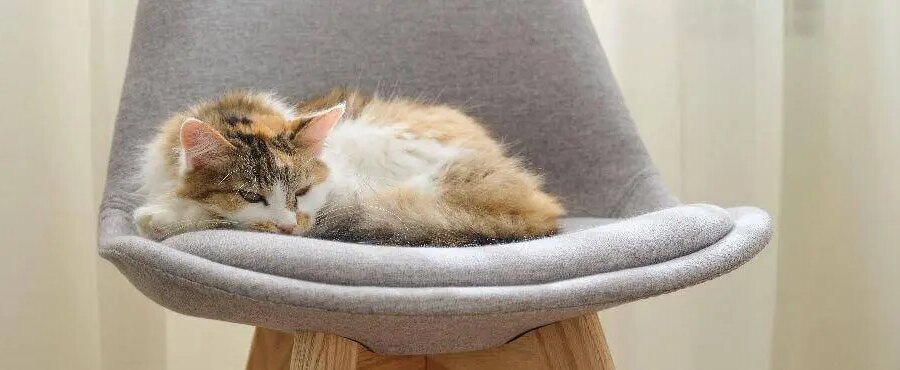
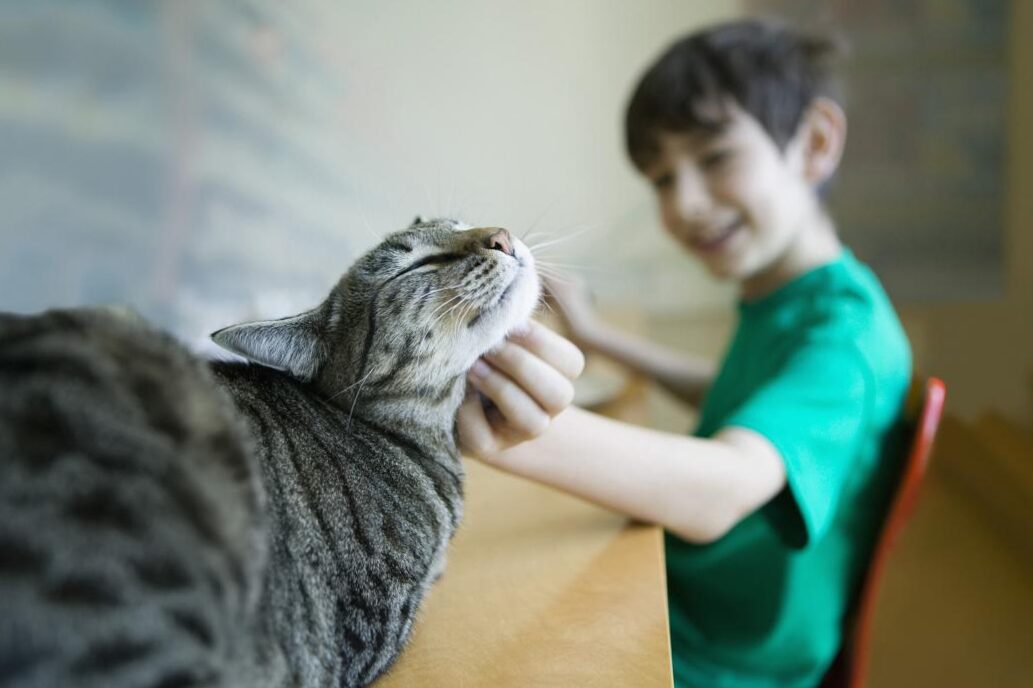
There is nothing that compares to the soothing sound of your cat’s purr. You stroke your cat’s fur, scratch behind the ears, under the chin and in return you are rewarded with a wonderful torso that looks like Heaven. But have you ever held your cat and wondered if he purrs because he’s happy or if there’s another reason?
HOW CATS FUSE
For years, researchers have studied cats’ torsos and have recently begun to shed light on how they actually produce the hypnotizing vibration.
Most experts now believe that numbness begins somewhere in the brain, where a repetitive neural oscillator sends messages to the laryngeal muscles, causing them to contract at a rate of between 25 and 150 vibrations per second.
This causes a sudden separation of the vocal folds, both during inhalation and exhalation. The result is the feline atmosphere we know as tors.
Domestic cats aren’t the only ones who purr. Some wild cats and their close relatives such as the civet, genet and mongoose also purr. Hyenas, guinea pigs and raccoons are also known to purr.
And big cats that purr, like mountain lions and lynxes, can’t roar, while big cats that can roar, like lions and tigers, can’t purr. Animal experts attribute this characteristic to the structures surrounding the vocal organ (larynx), which are not rigid enough to produce the torso.
WHY DO CATS PURRY?
Some experts believe we should think of the torso as a smile. People smile for many reasons. We smile when we are happy, of course, but we also smile when we are upset, when we want something and when we want to defuse a hostile situation. Our smile can communicate a variety of emotions and needs.
If you look at it this way, the cat’s torso actually serves several purposes.
PERSUASIVE PURPOSES
If you’ve noticed that your cat’s torso gets warmer during mealtimes, know that it’s not a coincidence. Domestic cats have learned to use purring to get something they want or when they are hungry.
Researchers who have studied this purr extensively have found that at these times cats combine purring with a meow that sounds similar to a baby’s cry.
This torso view suggests that cats may have learned how to tap into a human response to care for their offspring.
THE HEALING POWERS OF THE TORSO?
Cats also purr when they are injured, sick or in pain, when they are in labor and even when they are dying. Kittens also purr quite quickly after giving birth.
There are probably several reasons for this type of cat purring, the first being simply a way for cats to calm down in stressful situations.
Many experts have also theorized that the low frequency (25 Hz) of the torso causes a series of vibrations in the body that could provide a kind of integrated physical therapy. It is believed that these vibrations can heal bones and wounds, rebuild muscles and repair tendons, facilitate breathing, and relieve pain or inflammation.
Coincidentally, this frequency is also used in humans to help wounds heal faster.
THE KITTEN-FEMALE CONNECTION
Kittens purr quite quickly after birth and the mother cat purrs when caring for her newborn kittens. This purr provides an essential connection: a mother cat’s purr provides a kind of lullaby for her kittens, and they purr to let her know where they are and that they are okay.
There is also an instinctive reason for this type of cat bust. Kittens cannot see or hear at birth and therefore cannot orient themselves. They need their mother for both warmth and care, and her torso helps them find it.
THE TORSO OF HAPPINESS
If your cat seems calm, with half-closed eyes, silent tail and purring, it is almost certain that he is happy.
Cats will also communicate with each other by purring. Cats often purr to convey peaceful intentions or as an invitation to play.
Purrs of happiness are calming and reassuring, and you can generally assume that when your cat purrs, he is happy.
GOOD VIBRATION FOR PEOPLE TOO
As studies have shown, our feline friends offer numerous health benefits to their owners. These include reducing stress and blood pressure, which your cat’s torso can directly contribute to.
Experts explain that a cat’s purr acts as an auditory stimulus that humans associate with tranquility and peace. It can promote relaxation and emotional well-being.
On a physical level there are studies that show that the cat torso can also activate the healing abilities of humans, similar to its action in cats. Doctors are known to use a torso-like vibration effect to treat patients, and a reduced rate of bone loss has been observed in elderly patients when treated with sounds in the same frequency range as a cat’s torso.
THE MYSTERY OF THE CAT’S TORSO
Next time you hold your favorite furball and hear it purr, enjoy the moment. . Although experts are starting to give us some insight into why cats purr, the answer still remains a mystery – and even a bit of magic.
Conlusion
The gentle sound of a cat’s purr is one of the most comforting experiences for many pet owners. It often accompanies quiet moments of affection—when you stroke your cat’s fur, scratch behind its ears, or simply sit together in a peaceful environment. This soothing vibration can feel almost magical, creating a sense of calm and connection between the cat and its owner. Because of this association with relaxation and affection, many people naturally assume that a cat purrs only when it is happy.
While happiness is certainly one of the most common reasons for purring, it is not the only explanation. Cats use purring as a versatile form of communication and self-expression. When a cat feels safe, comfortable, and content, purring often acts as a signal of trust and affection. In these moments, the sound reflects the positive bond between the cat and the person caring for it.
However, purring can also occur in situations that are not necessarily related to pleasure. Some cats purr when they feel anxious, frightened, or even when they are in pain. In these cases, purring may serve as a self-soothing mechanism that helps the cat calm itself during stressful situations. For example, cats have been observed purring during veterinary visits, when recovering from injuries, or even during labor while giving birth.
Scientists believe that the vibrations produced during purring may have additional benefits. The frequency of a cat’s purr has been associated with potential healing properties, helping to promote tissue repair and reduce stress. Although research is still ongoing, many experts believe that these vibrations may contribute to both physical and emotional well-being for the cat.
Understanding that purring can have multiple meanings helps pet owners become more attentive to their cat’s overall behavior. By observing body language, posture, and the context in which the purring occurs, owners can better interpret what their cat is trying to communicate. A relaxed posture and gentle eye contact may indicate contentment, while tense body language might suggest discomfort or stress.
Ultimately, the purr remains one of the most fascinating aspects of feline communication. Whether it expresses happiness, comfort, or a need for reassurance, it reflects the complex emotional world of cats. For those who share their homes with these remarkable animals, the soft vibration of a purr is more than just a pleasant sound—it is a reminder of the quiet bond and trust that grows between humans and their feline companions.
latest posts published

Diabetes in dogs and cats

Car travel with pets: prepare for the journey

7 questions to consider when you want to get a dog

How to protect your pet on hot summer days

Domestic dangers for dogs | Here are the most common household risks for dogs

The best Julius K9 harnesses and leashes for fun summer days
Common diseases of cats. Causes and symptoms

How to take care of your four-legged friend during the holidays

How to help your dog deal with the fear of driving?
