
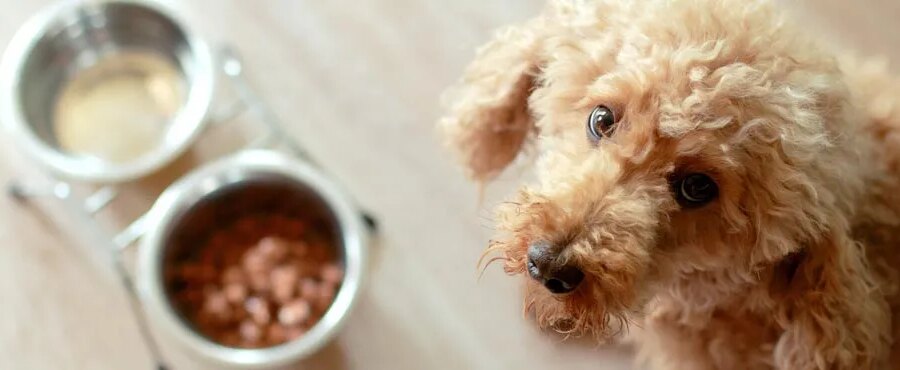
DID YOU KNOW THAT OVER HALF OF OWNED DOGS ARE OVERWEIGHT?
Obesity is one of the most common problems vets encounter in their practices, and while a few hundred extra grams may seem harmless to your dog (and isn’t always noticeable), the extra weight can actually predispose your furry friend to a multitude of health problems, as well as a shortened life expectancy.
There are many factors that can lead to the accumulation of excess weight. Some causes, such as breed and age, are out of your control, but we can control diet, which is the main reason for dog weight gain.
You may enjoy giving your dog treats throughout the day or scraps from the table, thinking “what’s wrong?” But the extra snacks actually add up.

HOW TO IDENTIFY AN OVERWEIGHT DOG
One of the easiest ways to determine if you have an overweight dog is to simply use your eyes and hands. Here are some main factors you can evaluate:
Body shape. Look at the dog above for an overview. Ideally, its body is hourglass shaped, being slightly narrower behind the ribs. If your dog has a round shape rather than an oval shape, he is probably overweight.
Ribs and spine . Here’s where you can use your hands to feel it along your ribs. If your dog is at a healthy weight, you should be able to feel his ribs through his fur and skin. You can do the same along the spine to ensure that the bones do not protrude, as this would be a sign that your dog may be underweight.
Side view. By looking at your dog’s profile you can also determine if he is overweight. Is there loose skin on the waist? Does your belly stick out? These characteristics might tell you that you have an overweight dog.
Ideally, the bottom line of the abdomen should be higher than the rib cage rather than at the same level, and the abdomen should certainly not hang down.
Areas of fat. Some dogs will have fat deposits or areas of fat between their hind legs and on their hips. You can identify them when petting the dog. These small pockets of fat are a major indicator of being overweight.
The behavior. If you notice that your dog prefers laziness instead of chasing a ball, then this would fit the picture of an overweight problem.
Overweight dogs are typically less active, may have difficulty walking, and sometimes have difficulty breathing during exercise. These are signs to look out for when evaluating your obese dog.
YOUR OVERWEIGHT DOG NEEDS HELP
Just as being overweight is unhealthy for humans, there is a long list of health problems that can affect our furry companion too. These include:
- Respiratory disorders
- Joint problems, such as arthritis
- Diabetes
- Heart problems
- Kidney problems
- Hypertension
- Some tumors
- Mobility problems
- Immune system problems
- Reduced life expectancy
Negative food-related behaviors can also occur due to weight issues. Guarding and stealing food, as well as begging, are behaviors sometimes associated with canine obesity.
WEIGHING
Helping your dog starts with a visit to the vet, who will be able to tell you whether or not you have an overweight dog. Your vet will likely compare your dog’s body to a “body condition chart,” which classifies a dog’s body type and shape.
The score generally ranges from 1 to 9, from extremely thin to obese. Ideal body condition is generally around a 4 or 5. Keep in mind that a healthy weight will be different for each breed.
Some breeds are naturally lean, such as greyhounds or whippets, while others, such as Labradors and retrievers, are prone to weight gain.
Your dog’s age will also be significant. Young puppies need more calories than older ones, but sometimes we forget to reduce our puppy’s food intake once they reach adulthood, and the extra pounds can start to pile on, as calorie intake exceeds energy used.
Older dogs will also gain weight as their metabolism will begin to slow down. It is important to adequately reduce your calorie intake.
MAKE A PLAN
If your vet determines that you have an overweight dog, you will need to start a weight loss program that aims to reduce calories and increase physical activity. Your vet can help you make a realistic plan.
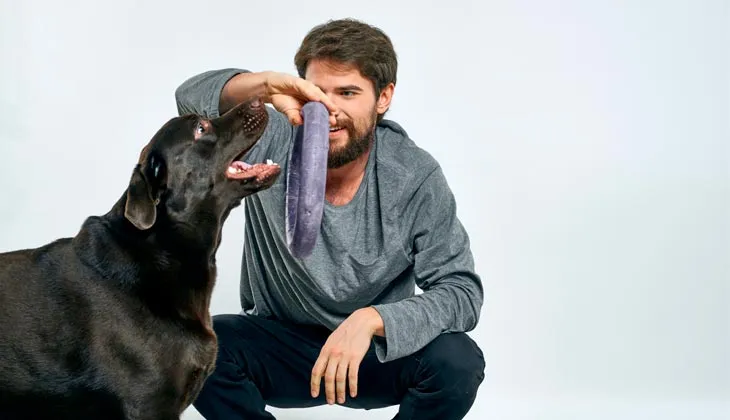
PHYSICAL ACTIVITY
Walking your dog is the best way to get him moving. Don’t overdo it at first. You can start with daily 10-15 minute walks, then gradually increase the time and pace of your walks.
Some experts recommend walking your dog for up to 2 hours a day, depending on the age and breed of your dog. It is important to praise your dog and reward him with as much attention as possible. These things will make walks fun and make him want to go out again.
DIET A
Your vet can help you put together a weight-loss diet plan that reduces calories and portions while still making sure you’re giving your dog the nutrition he needs. “Fair feeding” (food always available) is usually not the best option for your puppy and remember to keep food rewards to a minimum.
Implementing simple diet and lifestyle changes will help control your furry friend’s weight and reduce the risks of a number of health problems they may otherwise develop. It’s not too late!
Are you looking for a vet?
The veterinarian has a very important role in the animal’s health. Enter your location information and get a list of vets near you.
FIND A VETERINARY DOCTOR
latest posts published
Diabetes in dogs and cats
Car travel with pets: prepare for the journey

7 questions to consider when you want to get a dog
How to protect your pet on hot summer days

Domestic dangers for dogs | Here are the most common household risks for dogs
The best Julius K9 harnesses and leashes for fun summer days

Common diseases of cats. Causes and symptoms

How to take care of your four-legged friend during the holidays
How to help your dog deal with the fear of driving?
