

As temperatures rise, ticks can remain active for a longer period of time and over a larger area.
Here is all the information and how you should act.
We all know that winters are shorter, spring comes earlier and summers get hotter.
These changes obviously have important implications for us, but they also affect parasites that can threaten our pets.
What are the factors that favor the appearance and multiplication of parasites?
Parasites such as fleas, ticks and mosquitoes are vectors for a wide range of diseases.
In other words, they contract a disease when they feed on the blood of an infected animal and transmit it when they parasitize the next host.
To learn more about vectors, watch this short informational video.
Parasites cannot travel long distances on their own, but they can hide clandestinely for hundreds of kilometers, in the fur of animals or in people’s luggage.
In the past, however, their diffusion was limited by environmental factors. These pests prefer warm, moist environments, so they die or become inactive when the weather cools.
Now, however, these species can remain active all year round, even in periods previously considered too cold, thanks to the rise in global temperatures.
Below is some additional information about the spread of different types of carriers:
Ticks: more than a seasonal threat
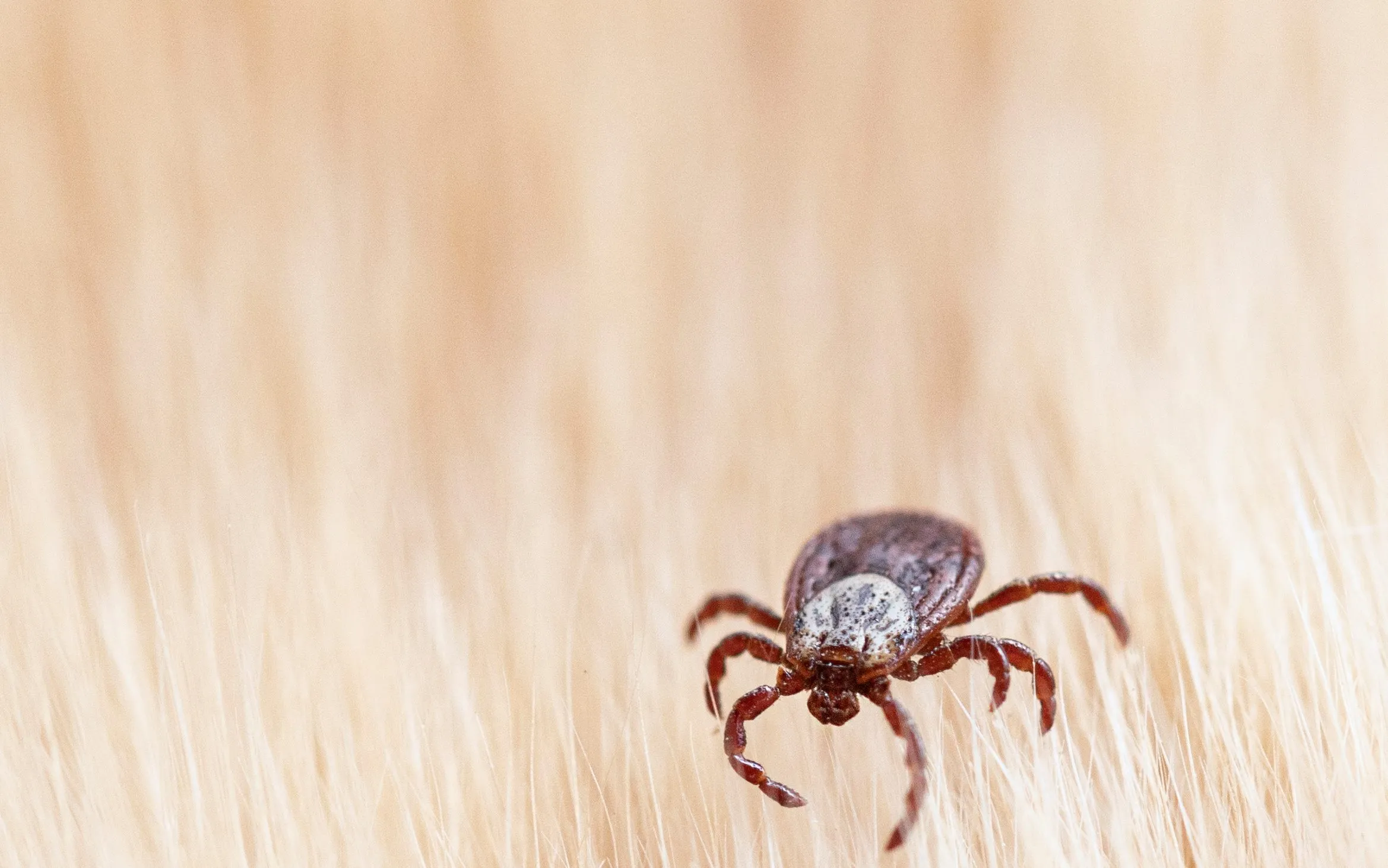
Ticks are arachnids: that is, they are related to spiders. They can be as small as a flower seed or as large as a bean. And they need the blood of a host animal to complete their life cycle.
Ticks are vectors of numerous diseases, including babesiosis, anaplasmosis and ehrlichiosis. Each of these diseases can cause serious problems for our pets and in some cases can even be fatal.
In the past, many experts spoke of “tick season”: the warm time of year that allows ticks to thrive. Now, however, the autumn-winter season is milder, spring starts early, so these insects can remain active all year round.
In colder regions, the freeze that would normally end tick season starts later and ends earlier. At the same time, the limits of the natural range of ticks have expanded: many exotic species now live very well in northern Europe, in countries where they could not develop before.
In fact, we can encounter ticks in the Austrian Alps at altitudes above 2000 meters above sea level. Experts believe the spread at high altitudes is due to the lack of snow and the presence of denser vegetation, which ensures a wider distribution of wild hosts such as deer.
Sand midges: Spread northwards
Sand midges are mosquito-like insects that feed on blood. Like ticks, they can transmit a number of diseases, most notably leishmaniasis, which can cause a range of problems from skin lesions to hair loss to organ failure in our pets.
Sand midges are widely distributed throughout the Mediterranean region and are active all year round. Recently, however, their presence has been reported in Germany and other northern European countries.
In addition to expanding their range northward, sandflies are starting to feel quite comfortable at higher altitudes. In fact today they are found at over 1000 meters above sea level.
Furthermore, if the snow cover is not very thick, the larvae of these insects can survive the winter buried in the ground, posing a greater risk to pets and other animals.
Mosquitoes: further away and at higher altitudes
Mosquitoes are well known for spreading malaria to humans. But they can also transmit a number of other diseases to our pets, particularly heartworm, a small parasite that can clog and block the host’s organs.
Several species of mosquitoes have been documented in Europe and a new and dangerous species has recently appeared: the Asian tiger mosquito.
This insect is native to tropical regions, but due to rising temperatures it can now be found throughout Europe, even in some northern countries such as the Netherlands.
At the same time, heavy rains – another consequence of climate change – lead to flooding, which in turn creates the perfect environment that favors the breeding cycle of mosquitoes.
How we can act
As pet owners, the most important thing we can do is establish a year-round protection program for our pets in collaboration with our veterinarian. Schedule a visit to your favorite clinic and get expert advice tailored to your pet, your family and your lifestyle.
Along with veterinary advice, we should strive to constantly update our knowledge about the spread of parasites and how we can protect our pets.
On #MyPet we constantly update our page and publish videos with updated information and tips.
Another valuable source of information is our free guide to pet diseases, which you can download for free.
Get a copy of the #MyPet Guide today to get in-depth expert advice on protecting your pet and family from all types of diseases.
latest posts published

Diabetes in dogs and cats

Car travel with pets: prepare for the journey

7 questions to consider when you want to get a dog

How to protect your pet on hot summer days

Domestic dangers for dogs | Here are the most common household risks for dogs

The best Julius K9 harnesses and leashes for fun summer days

Common diseases of cats. Causes and symptoms

How to take care of your four-legged friend during the holidays

How to help your dog deal with the fear of driving?
