

Cats are such independent creatures that many people think that as long as they are fed regularly they don’t need any other care. This may explain why dogs are taken to the vet twice as often as cats.
Cats need veterinary care, even if it is needed at other ages and stages – and good quality veterinary care is important in the life of a beloved pet.
HOW TO GIVE A KITTEN A GOOD START
Thanks to the antibodies that the newborn kitten receives through its mother’s milk, it benefits from temporary protection against infectious diseases.
This immunity does not remain as strong throughout life and wanes as the kitten grows, subsequent kittens need vaccines against diseases such as panleukopenia, upper respiratory tract disease and rabies.
Kittens should be vaccinated around eight weeks of age, with boosters repeated at three to four week intervals as recommended by your veterinarian.
The rabies vaccine is generally given at 12 weeks of age. Veterinarians may recommend that kittens at risk for feline infectious leukemia virus infection begin these vaccines at 9 weeks of age or later.
Be sure to talk to your vet about recommended vaccines.
This first visit is the ideal opportunity to discuss when to have your child sterilized and microchipped.

THE ANNUAL CONSULTATION OF A CAT
A mature cat can mask the signs of illness, and cats, even those who never go outside, can benefit from regular wellness counseling.
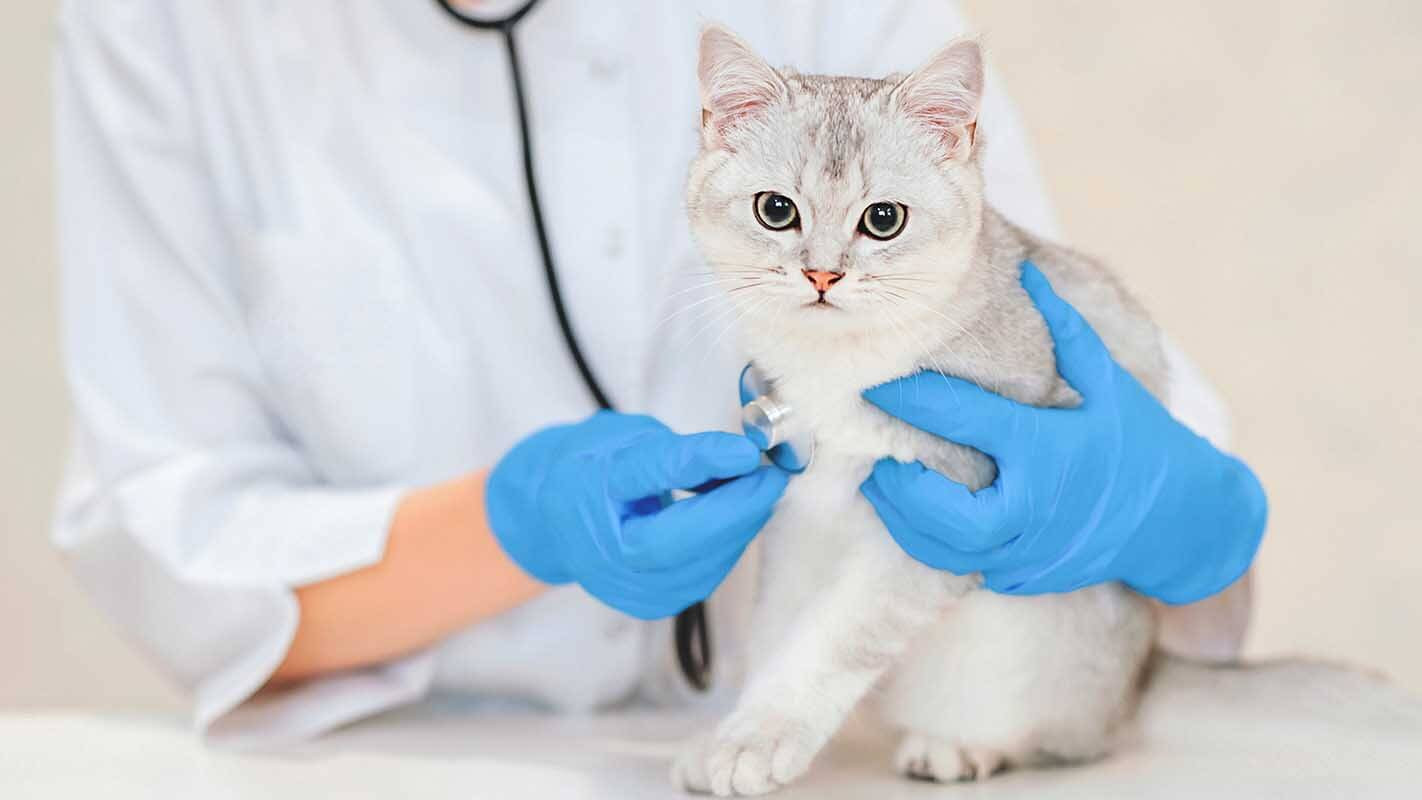
By examining your cat from nose to tail, your vet can spot changes that could indicate a health problem.
Early diagnosis and treatment are essential to get your cat back to full health as quickly as possible.
Regular vaccinations are important to strengthen your cat’s immune system and help it fight infectious diseases.
The American Association of Feline Veterinary Practitioners makes vaccination recommendations based on the type of risk a cat is at.
ELDERLY CATS DESERVE SPECIAL CARE
Once a cat reaches seven years of age, it is considered senior, according to the American Animal Hospital Association. Regular checkups help ensure your cat stays in the best health possible.
Keep in mind that changes that indicate existing health problems may be subtle.
SIGNS TO LOOK OUT FOR
Regardless of age, whenever your pet shows a sign that worries you, perhaps one of those listed below, contact your veterinarian to discuss a consultation.
- Coughing, sneezing, runny nose
- Increased or decreased appetite, water consumption, urination, defecation
- vomit
- he screams
- Excessive licking
- Changing your activity level
- Excessive grooming
- Hair loss in some areas
- Weight loss
- Lose the habit of defecating in the litter box
TIP: A visit to the vet is much easier when your cat associates the carrier with a place to play or receive a reward.
THE BEST TIPS TO DISCUSS WITH YOUR VETERINARIAN AT CHECK-UP
A visit to the veterinarian is an opportunity to discuss all aspects of your pet’s health.
Make a list before your visit and include notes about any unusual changes you notice, including behavior, diet, or appearance. A list will help you get the most out of your vet visit!
Dogs and cats benefit greatly from an annual physical exam by a veterinarian.
This visit to the doctor is an important preventive step for a long and healthy life.
Regular checks can also detect early signs, before conditions become apparent.
- New information about pets – There is a lot of information to convey to your vet when getting a new pet. Staff will record information about your new pet, and your veterinarian will gather important details about your pet’s health history.
- General health – During the exam, your veterinarian will evaluate your pet’s overall health and ask about his or her habits and activity level. This is a good opportunity to discuss anything you notice as unusual – remember to check your notes.
- The chair – The veterinary clinic may ask you to bring a fresh stool sample for parasitological analysis. Collect a fresh sample and transfer it to a suitable container.
- Pest protection – Talk to your veterinarian about how to protect your pet from parasites and vector-borne diseases. Depending on where you live and the time of year you visit, certain pests may be more common. For example, summer is the peak season for ticks and fleas and a discussion about this will be essential.
- Vaccinations – Your veterinarian may recommend vaccinations during your annual visit. These might include Carré’s disease, adenovirus and parvovirus for dogs and herpes virus, calicivirus and panleukopenia for cats. A rabies booster may be necessary, depending on local protocols and the degree of risk. Other vaccines may also be needed depending on your pet’s lifestyle. This is a good time to discuss with your veterinarian vaccination recommendations for diseases such as leptospirosis, Bordetella (kennel cough), parainfluenza, or, for cats, feline leukemia, chlamydia, and feline Bordetella.

THE MAIN VACCINATIONS USUALLY INCLUDE:
“Major” vaccines are those that have a strong recommendation, due to the risk of a cat contracting the disease.
- Feline panleukopenia
- Feline calicivirosis
- Feline herpesvirus type I (also called feline infectious rhinotracheitis)
- Rabia
Talk to your veterinarian about additional vaccination options that may protect your pet from serious disease. Read the next part for some additional information about these vaccination options:
ADDITIONAL VACCINATION OPTIONS FOR CATS INCLUDE:
FELINE LEUKEMIA VIRUS (FELV)
This is a possible infectious risk for many cats. Feline leukemia virus infection can weaken your cat’s immune system and increase the risk of other infections.
This virus can cause cancer or other blood disorders. FeLV is found in the saliva, nasal secretions, urine, feces, or blood of infected cats. Cats can be infected:
- When they wash each other
- Common bowls for water or food
- Wounds from bites or fights with other cats
- Kittens can contract FeLV from their infected mother
Coughs and sneezes from infected cats or even contaminated hands, clothing and surfaces can infect your pet.
IS YOUR CAT AT RISK?
Your cat is at risk if:
- This is still a kitten
- It comes out, even from time to time
- Connect with other cats
- There are other cats in your house
Talk to your vet about FeLV testing and vaccination, as well as more information about the risks your cat may be exposed to.
CHECK YOUR CAT FOR FLEAS
BACTERIAL INFECTIONS OF THE UPPER RESPIRATORY TRACTS
Bordetella and Chlamydia are infectious bacteria that can cause respiratory symptoms and/or eye discharge in cats. If left untreated, the infection can progress to a more serious problem, such as pneumonia.
Coughing and sneezing from infected cats or contact with contaminated hands, clothing and surfaces can lead to your pet becoming infected.
IS YOUR CAT AT RISK?
Your cat is at greater risk if:
- Connect with other cats (farm, shelter, pet shop, multi-cat home)
- Lives in a household with several cats or meets new cats frequently
Talk to your vet about upper respiratory infection vaccines.
HOW TO MAKE YOUR VETERINARY VISIT EASIER
Regular veterinary visits will help keep your pet healthy and allow your vet to catch a problem before it becomes serious.
Here are some tips to make the experience as peaceful and stress-free as possible for your cat – and for you.
FOR YOU
Ask the veterinary clinic what times they are likely to be freest.
Arrive a few minutes early and go in to check in, leaving the cat in the car, but be careful if it’s hot and remember that the cat might jump out of the window if you leave it open.
If the smells, surroundings, sounds, people and animals in the waiting room might scare your cat, ask at the front desk if there is a quieter place where you can wait, perhaps an open studio.
If this is your first visit to a new veterinarian, bring a copy of your pet’s medical history with you.
A clear explanation of why you are presenting and any behaviors you would like to discuss will help you get the most out of this visit.
Take notes during your visit. Ask questions if you are not sure you understand the instructions regarding your pet’s care and any recommended medications.
FOR YOUR CAT
According to the American Veterinary Medical Association, most owners agree on the importance of these routine checkups and preventative care, yet less than half of them take their cat to the vet.
An important reason is that most cats are unhappy even before arriving at a veterinary clinic.
Many felines don’t like being put in a carrier, riding in a car, and then sitting in a waiting room surrounded by strange creatures.
Some ways to make a visit to the vet less stressful:
- Trim your cat’s nails carefully before the appointment
- Place a towel in the carrier for your cat to hide in
- Get a tarp to cover the shipping box, in the car, and in the waiting room
- Keep your cat in the carrier until you enter a separate consultation room.
latest posts published

Diabetes in dogs and cats

Car travel with pets: prepare for the journey

7 questions to consider when you want to get a dog

How to protect your pet on hot summer days

Domestic dangers for dogs | Here are the most common household risks for dogs

The best Julius K9 harnesses and leashes for fun summer days
Common diseases of cats. Causes and symptoms

How to take care of your four-legged friend during the holidays

How to help your dog deal with the fear of driving?
