

Unforeseen situations can arise at any time, even when it comes to pets. And once we have a non-verbal person in our life, we know that their health and well-being become top priorities.
Whether it is a small injury or a more complex situation, it is essential to know how to act in a warm and efficient way to be able to offer our furry friend the best possible assistance.
So, whether you have a mischievous dog or a playful cat, in emergency situations it is very important to stay calm, so that you can reflect on the situation and offer assistance and protection to your four-legged friend.
How to recognize the signs of an emergency
The first step in managing a pet medical emergency is recognize the signs that the quadruped expresses and that it is a medical emergency. These include:
➤ shortness of breath, heavy breathing or rapid breathing;
➤ feeling of suffocation;
➤ severe cough;
➤ convulsions or uncontrollable tremors;
➤ loss of consciousness;
➤ severe vomiting or diarrhea;
➤ black or bloody stools;
➤ bleeding;
➤ inability to urinate;
➤ trauma caused by road accidents, falls, accidental impacts;
➤ severe pain (for example, the animal moves with difficulty or cannot move at all);
➤ refusal to drink water for more than 24 hours;
➤ eye injuries.
Of course, many times any change in behavior can be considered an emergency. But I am symptoms that do not necessarily represent an emergency . Here they are:
➤ mild and rare vomiting;
➤ mild diarrhea;
➤ mild and short cough;
➤ occasional lameness;
➤ decreased appetite for a short period of time.
What to do in case of an unexpected medical situation
While you call the vet and until he arrives, there are some things you can do to help your pet:
➤ stay calm – even though it is extremely painful to see your best friend suffer, it is important to stay calm. Pets can sense their parent’s mood and if he feels scared or stressed, this won’t help him at all. On the other hand, if the animal feels that you are calm and by your side, it will feel loved and safe in difficult times.
➤ make sure you are safe – before trying to provide first aid, make sure you are safe. An injured or frightened animal can become aggressive, unintentionally, even if it has never hurt you. If necessary, use a blanket or towel to wrap the pet before attempting to move it.
➤ evaluate the situation – try to determine what problem your pet has. Check breathing, pulse and visible injuries. If the animal is conscious, check whether it can stand upright and responds to its name.
➤ apply first aid if necessary, depending on the situation:
⮞ if the animal is bleeding, compress the wound with a clean cloth or bandage;
⮞ if he has difficulty breathing, try to open his airways by removing any object that may block his mouth or throat;
⮞ if he has sunstroke, give him cool, fresh water and take the quadruped to a cool place. To regulate their body temperature, apply cold water to their paws and lay a cool, damp towel over them.
⮞ in the event of a burn with fire or various toxic substances, until medical intervention occurs, wet the affected area with cold water and cover it with a sterile bandage.
Regardless of the nature of the medical emergency, the first step to take is to contact your vet who will advise you and guide you in the next steps. Very often, medical emergencies are completed with a visit to the veterinarian, who will evaluate the condition of the quadruped and decide on the best treatment. You may need to be hospitalized and further monitored depending on the situation, which is why you still need to remain calm and composed. It is now in good hands!
Is it possible to prevent medical emergencies?
While not all medical emergencies can be prevented, there are some steps you can take to reduce your risk:
➤ ensure that the quadruped receives regular veterinary checks;
➤ keep vaccinations and anti-parasitic treatments up to date;
➤ give your four-legged friend a balanced diet, physical activity and regular play sessions;
➤ Keep small or dangerous objects away from the quad to avoid accidental ingestion or injury.


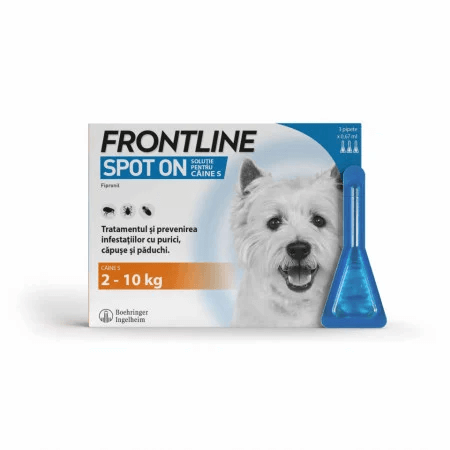

Don’t forget that if you have a pet at home, you need to have one too first aid kit . This should include:
➤ gauze and bandages;
➤ medical scissors;
➤ disposable gloves;
➤ cotton buds;
➤ tweezers;
➤ hydrogen peroxide;
➤ antibacterial spray or ointment;
➤ Cotton and paper towels;
➤ digital thermometer.
As a pet owner, knowing how to respond in the event of a medical emergency is essential. By recognizing emergency signs, providing basic first aid, and seeking immediate veterinary care, you can ensure your furry friend survives any unpleasant situation.
latest posts published

Diabetes in dogs and cats

Car travel with pets: prepare for the journey

7 questions to consider when you want to get a dog

How to protect your pet on hot summer days

Domestic dangers for dogs | Here are the most common household risks for dogs
The best Julius K9 harnesses and leashes for fun summer days
Common diseases of cats. Causes and symptoms

How to take care of your four-legged friend during the holidays
How to help your dog deal with the fear of driving?
