

Cats are amazing creatures with many unique characteristics that make them special. One of the most interesting aspects of cats is represented by their paws, which are also extremely important for their daily life and activities, both for scratching and for climbing and surprising with their acrobatic landings
How to take care of your cat’s paws
We all know that most cats are very focused on self-grooming, spending a lot of time licking themselves every day. In this process, they also ingest small amounts of dander, fur, and claw debris. While this might seem unhygienic, it’s actually beneficial for cats! Ingesting these bits of debris helps keep their digestive tract clean and prevents blockages.
You’ll definitely notice that cats pay special attention to their claws when grooming, cleaning and removing any foreign objects. If you’ve ever observed cats grooming, you’ve probably noticed they usually start with their claws. Considering the importance of a cat’s claws for hunting and climbing, this is understandable. Grooming is crucial for maintaining healthy paw pads and preventing injuries. Most cats are very clean and will usually clean their paws and paw pads themselves, but sometimes they need some help. Overgrown claws can easily get caught on objects and break, causing pain for the cat. Furthermore, if a claw breaks too deeply, it can bleed. Regularly trimming nails also prevents scratches.
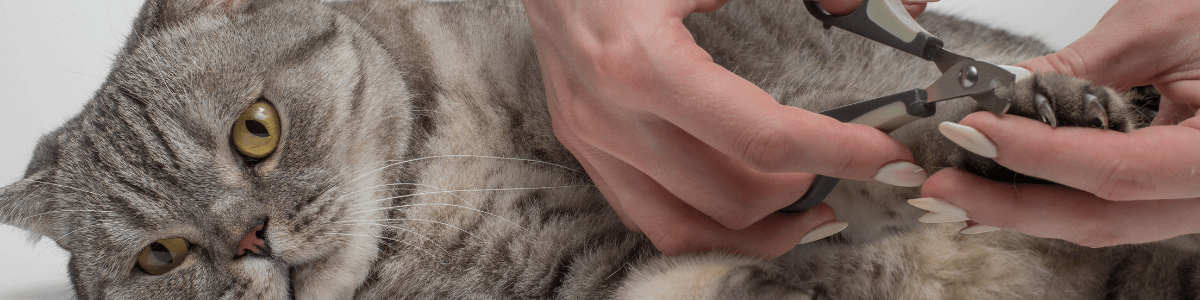
As a pet owner, it is important to keep your cat’s paw healthy as it contributes to his overall health. By taking simple precautions and regular cleaning, you can help keep your feline’s feet healthy and avoid potential problems.
Here are some tips for keeping your cat’s paws in tip-top shape:
- Inspect your cat’s paws regularly – Check your cat’s paws for cuts, redness or swelling that could indicate an injury. Also check between your toes to see if there is any dirt, debris, chips, or foreign objects that may be lodged there. If you notice a foreign body, remove it immediately with tweezers and clean the affected area. If you smell anything different, notice blood or inflammation, contact your vet for a more thorough checkup.
- Clean your cat’s pads regularly – using a damp cloth, carefully clean the cat’s paws every day, especially if you know that he has had access to the outside or if there was a risk of stepping on toxic or detergent substances in the house.
- Keep your cat’s claws trimmed – use sharp scissors or nail clippers specially designed to cut animal nails (never human nail scissors). Start by gently pressing the top of the fingertip to extend the claw, then cut just the tip of the nail at a 45-degree angle – avoid cutting the pink part on the inside of each claw as this will hurt the cat and cause it to bleed. The pink area of the nail is made up of nerves and blood vessels, being an extremely sensitive area.
- Sand any rough edges after trimming your nails – use a file designed specifically for pets (again, never use a human abrasive file). Gently run it over each cut edge until it becomes smooth and does not snag.
- Give your cat sisal or other scratching options – these accessories are not only used to protect your home, but are a real help in keeping feline nails healthy. We all already know that cats love to scratch and sharpen their claws, a habit that helps to sharpen them optimally and keep their nails healthy.
- Trim the fur between the cat’s toes – with the help of scissors you can shorten the hair between the cat’s toes, hair which can accumulate many bacteria and microbes. Of course, not all cats have this hair, however long-haired cats can feel its presence. If you notice that the cat licks the fur between its fingers excessively, it is a good sign that you can intervene.
- Watch where the cat walks – avoid letting your cat walk on surfaces that are too hot or too cold, as well as on sharp surfaces, which could injure him.
If you prefer to trim your cat’s nails yourself, make sure you know exactly what the optimal level of trimming is. Furthermore, cutting nails in cats should never be done when the cat is angry or nervous because the risk of it wanting to escape from your arms is high, thus risking injuring the feline.
Caring for your cat’s paws is an important part of your cat’s overall health and well-being. Regularly trimming nails, cleaning the fur between the toes, and checking for signs of infection or injury can help keep your cat healthy and happy. By keeping these simple tips in mind you can ensure that your feline friend always has clean and well-groomed paws!
latest posts published

Diabetes in dogs and cats

Car travel with pets: prepare for the journey

7 questions to consider when you want to get a dog

How to protect your pet on hot summer days

Domestic dangers for dogs | Here are the most common household risks for dogs

The best Julius K9 harnesses and leashes for fun summer days
Common diseases of cats. Causes and symptoms

How to take care of your four-legged friend during the holidays

How to help your dog deal with the fear of driving?
