

If you are thinking of adopting a turtle as a pet, it is important to know this what their needs are. Turtles are not like other animals and here’s why their unique needs for food and habitat. However, turtles can be the perfect pets when all their needs are covered but also why average lifespan which have, that is, between 20-40 years old . This not only gives us a lot of time to bond, but this characteristic makes this pet so share moments with multiple generations of your family.
Feeding turtles
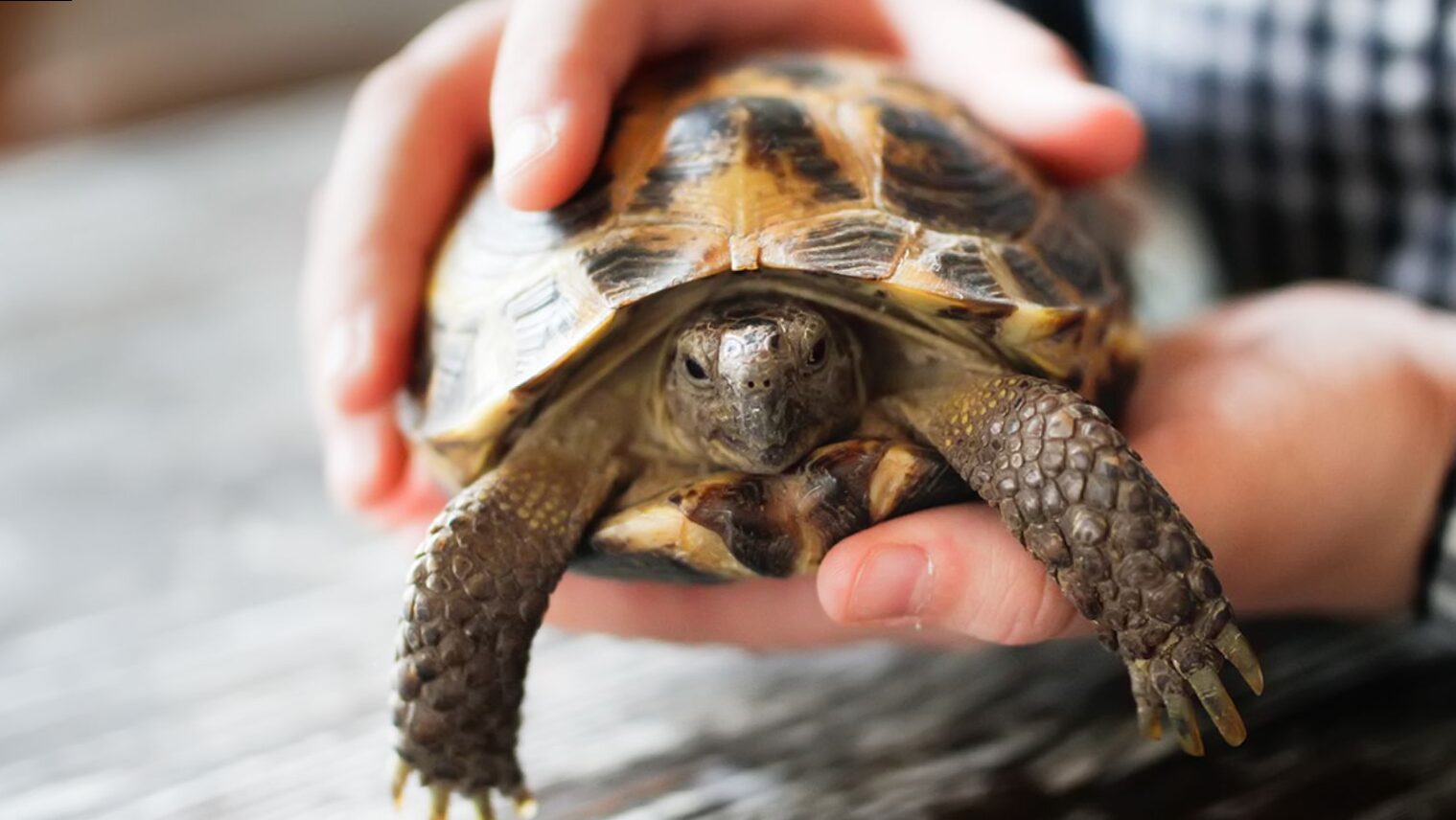
Most turtles are omnivorous which means they eat so much products of plant origin as well as products of animal origin. Therefore, their diet is very varied, from fish, snails, crickets or worms to green vegetables, tomatoes, apples or even dandelion leaves. Even if it seems strange to you, you need to know Dandelion leaves are extremely rich in calcium and vitamin A only good nutrients for the healthy development of the frog. Did you know? turtles need “fun” and exercise ? Well, by throwing live food into the aquarium, you can give the frog the opportunity to catch their own food activity that he will never refuse.
Caring for turtles
It’s absolutely true turtles do not require the same daily attention and care as a cat or dog through daily walks, cuddles, caresses, etc., however, turtles are exotic pets and for this reason their habitat requires a lot of attention .
First, the turtle will defecate in the aquarium water which implies changing the water regularly . In addition to changing the water, you should consider this the water must always be filtered and at the same time, clean up and remove any residues of decaying plants or remains of spoiled food. Water heating and aquarium lighting they are also two important elements to keep in mind and under control.
Although turtles are not the most sensitive animals, they too can be affected by various ailments. The most common health problems found in turtles I am:
- respiratory infection – it is generally caused either by the transport of the turtle from one environment to another, in the cold season, or by a colder water temperature than what it needs and is used to. This cold environment may be due to the failure of the light or heat source, or to the power in the room.
- ear abscess – most often caused by a vitamin A deficiency. This condition involves the appearance of a whitish buildup inside the ear, which, if left untreated, travels down the inside of the ear causing an infection.
- metabolic bone disease – most often caused by calcium deficiency. This deficiency in turn is caused by lack of exposure to the sun or an inappropriate environmental temperature. At the same time, metabolic bone disease is the result of imbalance between calcium and phosphorus, where the ratio must be 2 to 1. If the amount of phosphorus is greater than that of calcium, calcium is pulled from the bones, leaving them brittle.
- hypothermic shock and hyperthermic shock – occurs when the temperature in the turtle’s aquarium is low, or too high, for a longer period of time.
- drowned – even if it seems strange, know that turtles can drown when they are placed in a very deep aquarium for their size or when they have no surface objects to rest on.
In addition to these, vitamins in the optimal quantity, they play an extremely important role in the life of turtles Why too much or too little can cause them various ailments for example glued or swollen eyelids caused by lack of vitamin A or skin inflammation , of the eyes or even the oral cavity caused by lack of vitamin C.
The red temple tortoise
- it is one of the most popular aquatic turtle species.
- In general, these turtles are friendlier and more sociable than their relatives, and they are also quite active.
- it’s kind of a medium size, decent size
- it has a dark green carapace, yellow plastron, green head, decorated with red stripes behind the eyes, and the legs are green with yellow stripes.
African tortoise
- also called a snapping turtle because it has a long, distinct neck that cannot be fully retracted into its shell
- It’s kind of small in size
- It has a life expectancy of 50 years
- generally this species is sociable and curious
- it has unique cervical spines, the carapace has additional scutes, and the skull is totally different from other species.
The oriental tortoise
- it is more sensitive to an environment that is too humid or too dry, being subject to respiratory infections
- this species is generally shy and not very aggressive. With a little patience and insistence, he can become a sociable character.
- It has a life expectancy of 30-40 years.
- features a tall, brown shell with bright yellow, orange and red markings.
The western tortoise
- also found under the name painted turtle
- She is generally active and fun but can sometimes be shy
- it is a medium sized species
- It has a life expectancy of 50 years.
Useful tips
- be sure to provide the turtle with a sufficiently large aquarium where they can develop and where they can swim.
- the frog aquarium must also contain a aquatic area but also or area where he can rest . For the dry area it is recommended to use several smooth stones and at the same time, it is recommended avoid the use of sand/gravel because it is a risk, as it can be swallowed by the turtle.
- in hot periods it is recommended taking the turtle out into the sun for a limited time. In addition to enjoying the natural warmth and rays of the sun, you will also get the necessary dose of vitamin D3, which is essential for joint and bone health.
- like bears, some turtles have a tendency to do this hibernate in the cold season. Therefore, they will become more withdrawn, eat less and be less active.
Conclusion
Keeping a tortoise can be a rich and meaningful experience, but it requires careful consideration and thorough preparation. Unlike many other pets, tortoises have very specific needs regarding habitat, diet, and care. Understanding these needs before bringing a tortoise home is crucial to ensuring its healthy and comfortable life. With proper care, tortoises can become fascinating companions, enriching their owners’ lives for many years.
One of the most striking characteristics of tortoises is their long lifespan. The average lifespan is 20 to 40 years, with some species living even longer, making tortoise ownership a long-term commitment. This means caring for a tortoise is not a one-time event, but a responsibility that can last for decades. It is precisely because of this longevity that tortoises can accompany a family through many stages of life, creating cherished memories that will be passed down through generations.
Providing a suitable habitat is one of the most important aspects of tortoise keeping. Tortoises need an environment as close as possible to their natural habitat, including ample light, suitable temperature, and clean water. Aquatic turtles require well-maintained aquariums and filtration systems, while tortoises need spacious enclosures with suitable substrate and hiding places. These elements are crucial for the health and well-being of the turtles.
Nutrition is another key factor in the longevity of tortoises. Different species have different dietary needs, ranging from purely plant-based diets to combinations of vegetables, fruits, insects, and specialized tortoise food. A balanced diet that mimics the tortoise’s natural foraging habits can prevent malnutrition and promote healthy growth and development.
In addition to meeting their physiological needs, a stable and quiet environment is also highly beneficial for tortoises. Although tortoises don’t typically enjoy human interaction as much as cats and dogs, they still develop some recognizable behaviors and habits. Observing their habits and understanding their preferences can make the process of keeping a tortoise enjoyable and rewarding.
Ultimately, keeping a tortoise should be a well-considered decision that requires a full understanding of the responsibilities involved. Due to their long lifespan and special care requirements, owners must be prepared for years of continuous care. However, if these needs are met, tortoises can make excellent pets, bringing curiosity, a thirst for knowledge, and peaceful companionship to the family.
By understanding the unique habits of tortoises and committing to proper care, families can create a safe and nurturing environment for them to thrive. In return, these extraordinary animals offer owners the opportunity to build a lasting emotional bond and share precious moments that can be passed down through generations.
latest posts published

Diabetes in dogs and cats

Car travel with pets: prepare for the journey

7 questions to consider when you want to get a dog

How to protect your pet on hot summer days

Domestic dangers for dogs | Here are the most common household risks for dogs

The best Julius K9 harnesses and leashes for fun summer days

Common diseases of cats. Causes and symptoms

How to take care of your four-legged friend during the holidays

How to help your dog deal with the fear of driving?
