
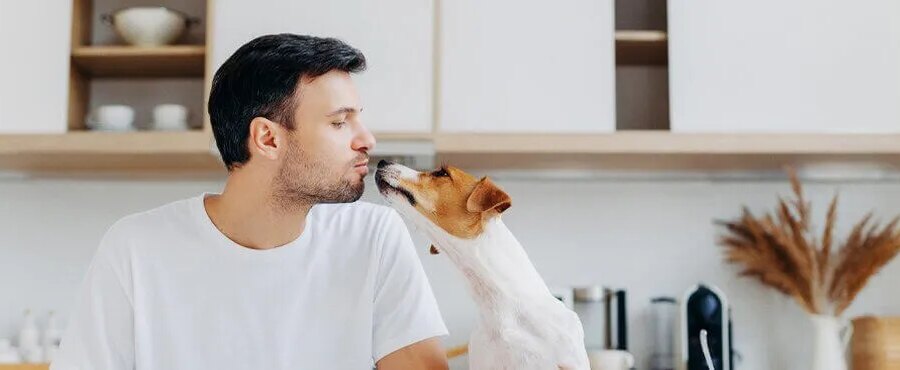
Bringing a new puppy home is a joyous occasion! You’ll carefully select the best dog food, prepare some adorable toys, schedule its first vet checkup, and ensure your new friend has received all the necessary vaccinations.
Before that, ensuring the safety of your home and surrounding environment is equally important.
Whether you adopt a puppy or an adult dog, you want it to feel safe and comfortable in your home and to spend the rest of its life in peace.
Here are some things to consider when preparing a home for your new companion:
Food
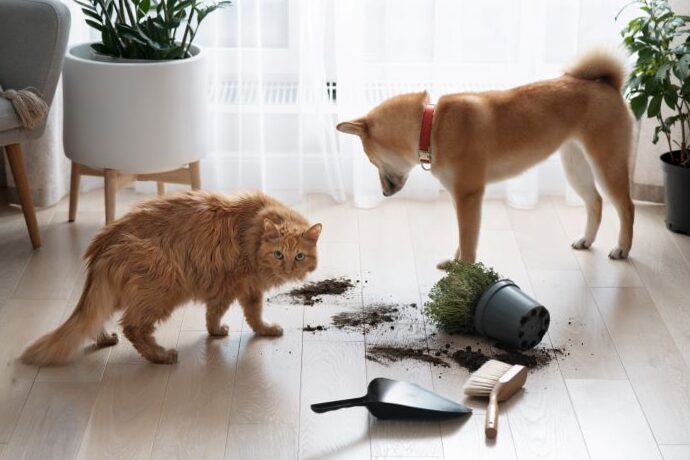
Some human foods, such as chocolate, coffee and onions, can be toxic to dogs.
It is important to ensure that food is stored correctly, that the litter box is tightly closed and that cleaning products are out of the puppy’s reach.
Stay
It’s okay to play with your furry friend on the couch, but it’s also wise to remember that a puppy can easily ruin that couch!
It’s also important to keep electrical cords hidden and make sure you have a screen in front of your fireplace.
If you have plants in your home, be aware that some common houseplants can be poisonous to your dog. Also, be sure to keep doors closed so your puppy can’t get out.
BATH
Dogs have been known to drink toilet water, flush toilet paper rolls, and dig in open garbage cans.
While these adventures may seem relatively minor, there are larger bathroom hazards that require attention, such as medications, household cleaners, razors, drain cleaners, and even dried herbs.
The bedroom
As in other rooms of the house, there are dangers for your dog in the bedroom too. These include exposed electrical cords, curtain cords and medications.
Be sure to keep small items such as coins and jewelry away as they pose a choking hazard.
This is also a good place to remember to keep windows closed to prevent accidental escapes or falls.
garage
This is an area that contains many potential dangers for your dog, such as antifreeze or rodent poison, both of which can be fatal if consumed.
COURT
Even outdoors there are potential risks for your dog, which you can limit with some precautions. Fencing the yard, if possible, will prevent the dog from escaping.
You should put a fence around swimming pools, because they pose a big danger to puppies. Remove toxic plants from your yard and keep your lawn and trimmed bushes under control.
Ticks most often wait for your dog in taller grass. You should also watch out for compost, mulch, and fertilizer piles, which can cause problems for your pup.
Your senior dog
As your dog ages, he may no longer be as active and may not require the same level of supervision in the home.
However, it’s important to remember that the aging issues dogs experience are similar to those of humans, so you’ll want to think about your dog’s changing needs.
Dogs are considered elderly when their physical abilities begin to decline.
However, there are always ways to keep your dog healthy during his senior years, and there are several ways you can prepare your home to make things more comfortable and safe for your furry friend.
movement
Aging bones and joint pain make it harder for your furry companion to climb stairs or jump on the couch.
If you live in a split-level home, place everything your dog needs, such as food, water bowls and toys, on the ground floor where he can find them easily.
You can also purchase (or make your own!) a ramp to help your dog get up and down patio steps, making getting out into the yard a breeze.
And even though he’s getting older, your friend will still want to play with you.
If he can’t seem to get onto the couch, offer him a hand or a stool as an intermediate step. But keep in mind that you will probably have to help your dog on the way down too.
visualization
Poor vision can also be a problem for your senior dog.
There are ways you can help him continue to walk around the house effectively, including avoiding floor changes, using small doorbells in the house, or placing trail lights, especially in dark hallways.
Avoid the queue
Your dog can get a little sloppier when wagging his tail and sometimes this can end up with valuables falling off tables and breaking. Avoid the hassle by moving fragile items to a place where they can’t be touched by a happy tail.
The floor
As your dog’s eyesight ages, he may accidentally think that small objects that fall to the ground, such as coins, buttons or small toys, are actually rewards. Place these and similar items off the floor and out of the dog’s reach to avoid confusion.
Sleep time
Your older dog will sleep in several shifts, but he may be missing that layer of fat that once cushioned him when he lay down.
You may want to consider purchasing a comfortable dog bed to protect their bones from the hard floor. Place it in a quiet place so that it is not disturbed during the rest period.
Diet and physical activity
Like humans, as dogs age, their muscle mass begins to decline. Make sure your furry friend eats a high-protein diet to help slow this decline.
Exercise and play are still important for your dog’s health, from his muscles to his heart, even if your friend moves a little slower.
Health and protection
To help your dog get around a little easier, you can consider aids such as ramps, slippers, lifting harnesses, non-slip socks and sticky pads.
It’s also important to visit your vet regularly to keep vaccinations and appointments up to date. The risk of parasites such as ticks and fleas to a dog is a reality at any age, and related health problems become more common in older dogs.
With a little care, your home will be a safe haven for your dog from the day you bring him home and throughout his life.
Are you looking for a vet?
The veterinarian has a very important role in the animal’s health. Enter your location information and get a list of vets near you.
Conclusion
Welcoming a puppy or adult dog into your family is an exciting and heartwarming experience. The new pet will quickly become a member of the family, bringing joy, companionship, and many unforgettable memories. However, welcoming a dog also means taking on significant responsibility. One of the most important steps before the arrival of a new companion is creating a safe and comfortable environment for them to grow healthily, explore the world, and feel secure.
Dogs, especially puppies, are naturally curious. They explore the world with their noses and mouths, often carefully examining various objects without knowing what is harmless and what is dangerous. Therefore, creating a pet-friendly home environment is responsible dog ownership. Removing potentially dangerous items, securing electrical cords, keeping toxic substances out of the dog’s reach, and ensuring small objects are not ingested are simple yet important measures that can effectively prevent accidents.
Equally important is providing your dog with its own dedicated space. A comfortable dog bed, plenty of drinking water, suitable food, and safe toys all contribute to a dog’s sense of security and comfort. A designated resting place provides a dog with a sense of stability and security, which is especially important in the first few days in a new environment. This place will become a haven for your dog, allowing them to relax and adapt to their new environment.
Preparation shouldn’t be limited to the apartment. Outdoor areas such as gardens, balconies, or yards should also be carefully checked for safety. Fences, gates, and potential escape routes should all be thoroughly inspected to prevent your dog from getting lost or into danger. A safe outdoor area allows your dog to explore and play in a safe environment.
Besides physical safety, your dog’s mental health is also crucial during their adjustment to their new home. Dogs need time to adjust to unfamiliar environments, new smells, and new routines. Patient, gentle interactions and a regular routine help build trust and make your dog feel comfortable in their new surroundings. Regular feeding, play, and walks create a predictable life structure for your dog, providing a sense of security.
Ultimately, preparing your new dog for your home is a key step in building a strong and lasting relationship. By creating a safe, comfortable, and welcoming environment, you will help your new companion feel at ease from the start. With proper preparation, care, and attention, your dog can enjoy a happy and peaceful life as a cherished member of the family.
latest posts published
Diabetes in dogs and cats
Car travel with pets: prepare for the journey

7 questions to consider when you want to get a dog
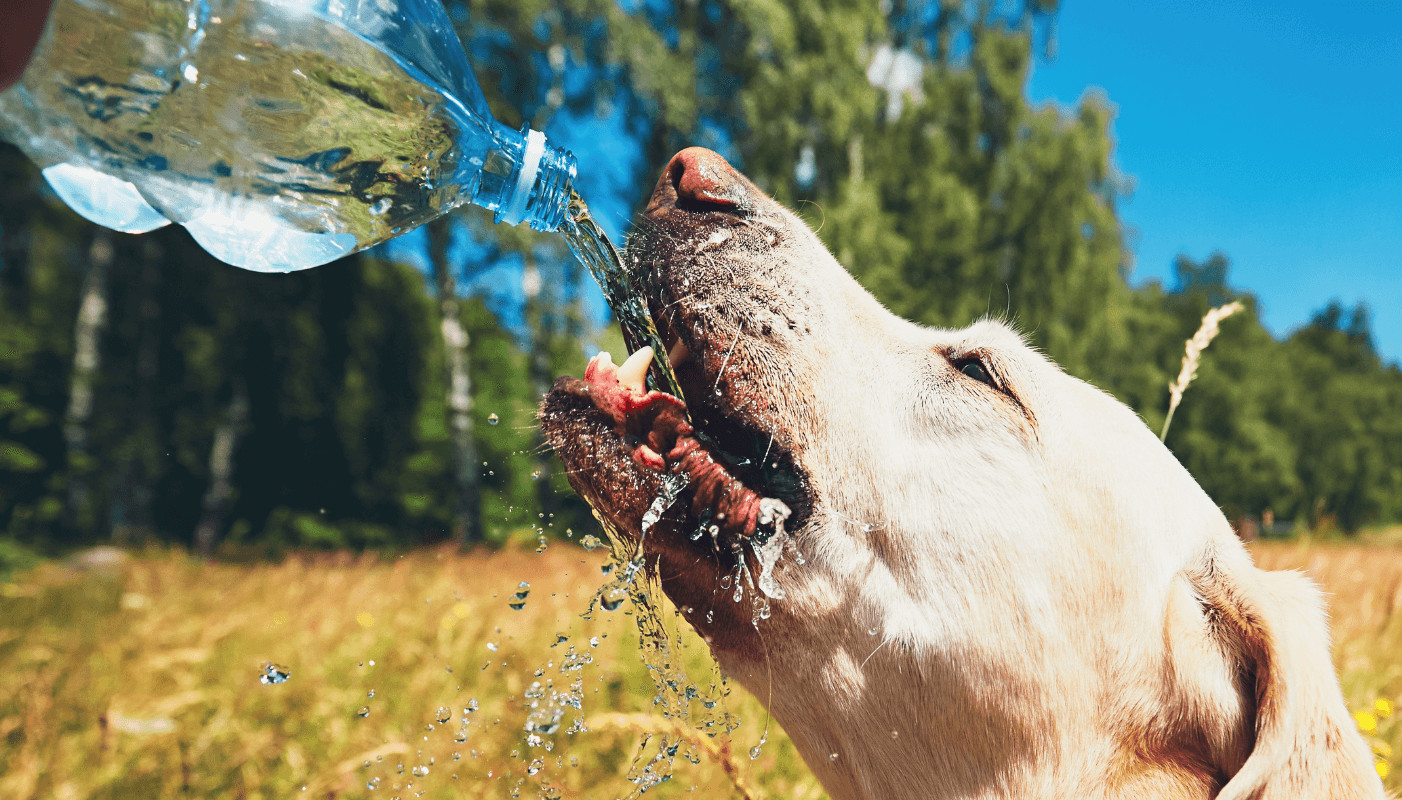
How to protect your pet on hot summer days

Domestic dangers for dogs | Here are the most common household risks for dogs
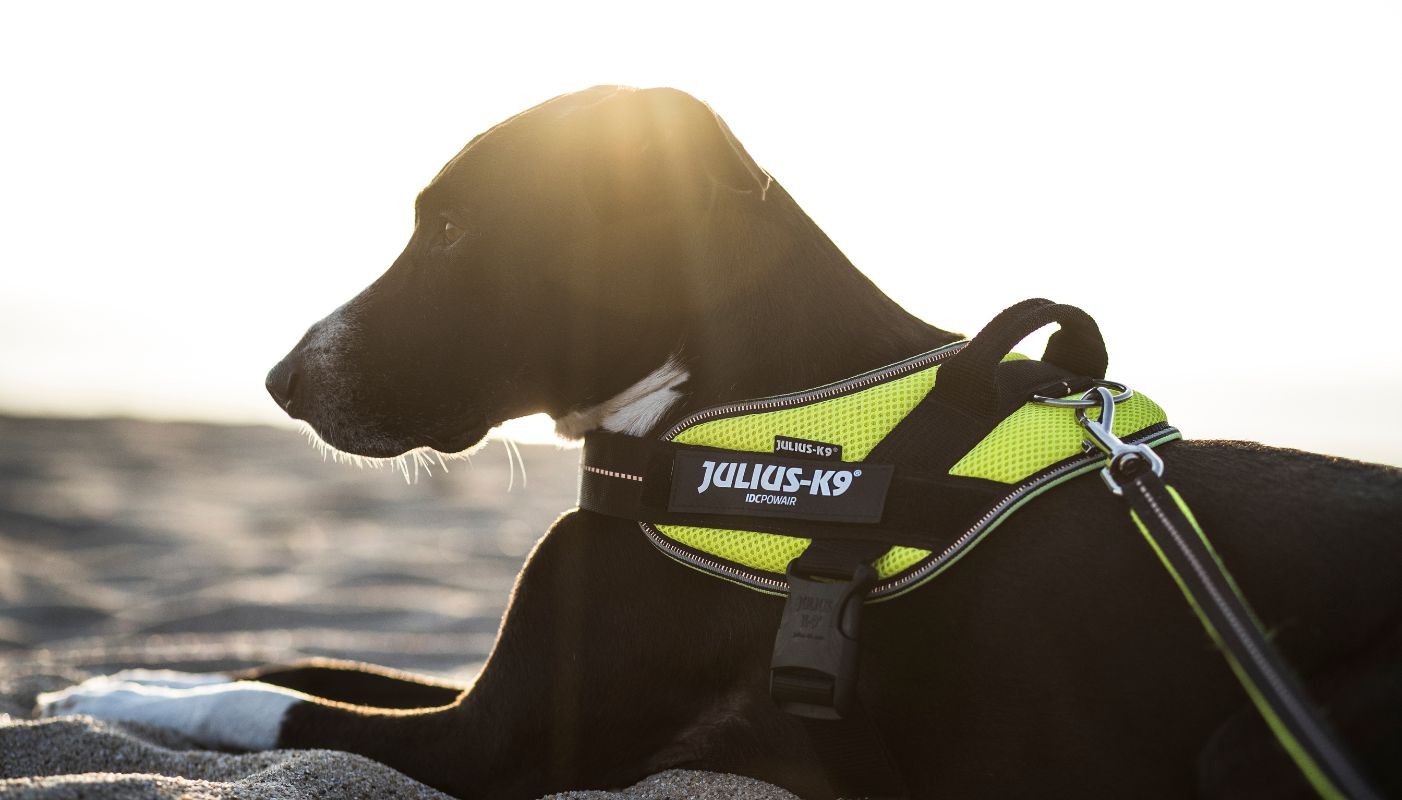
The best Julius K9 harnesses and leashes for fun summer days
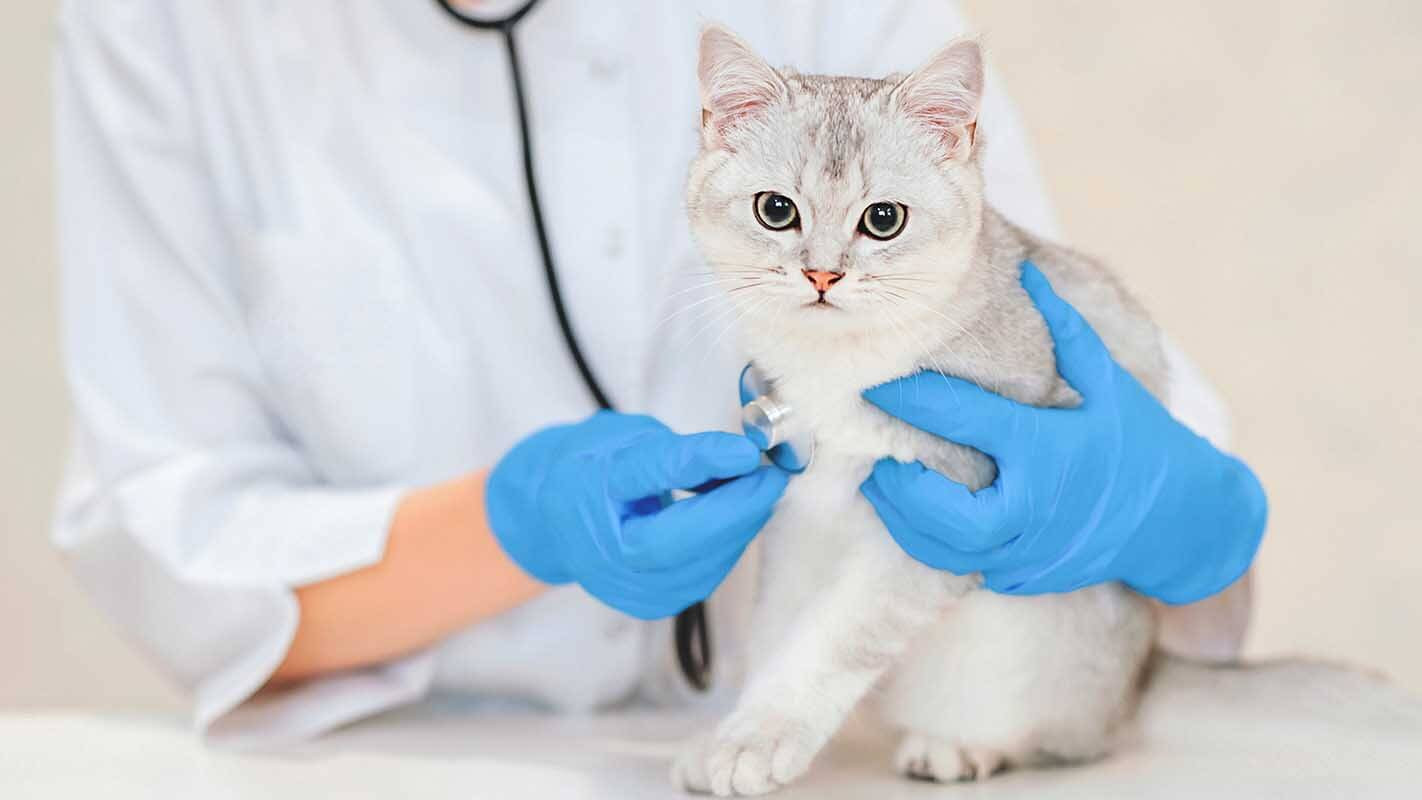
Common diseases of cats. Causes and symptoms

How to take care of your four-legged friend during the holidays
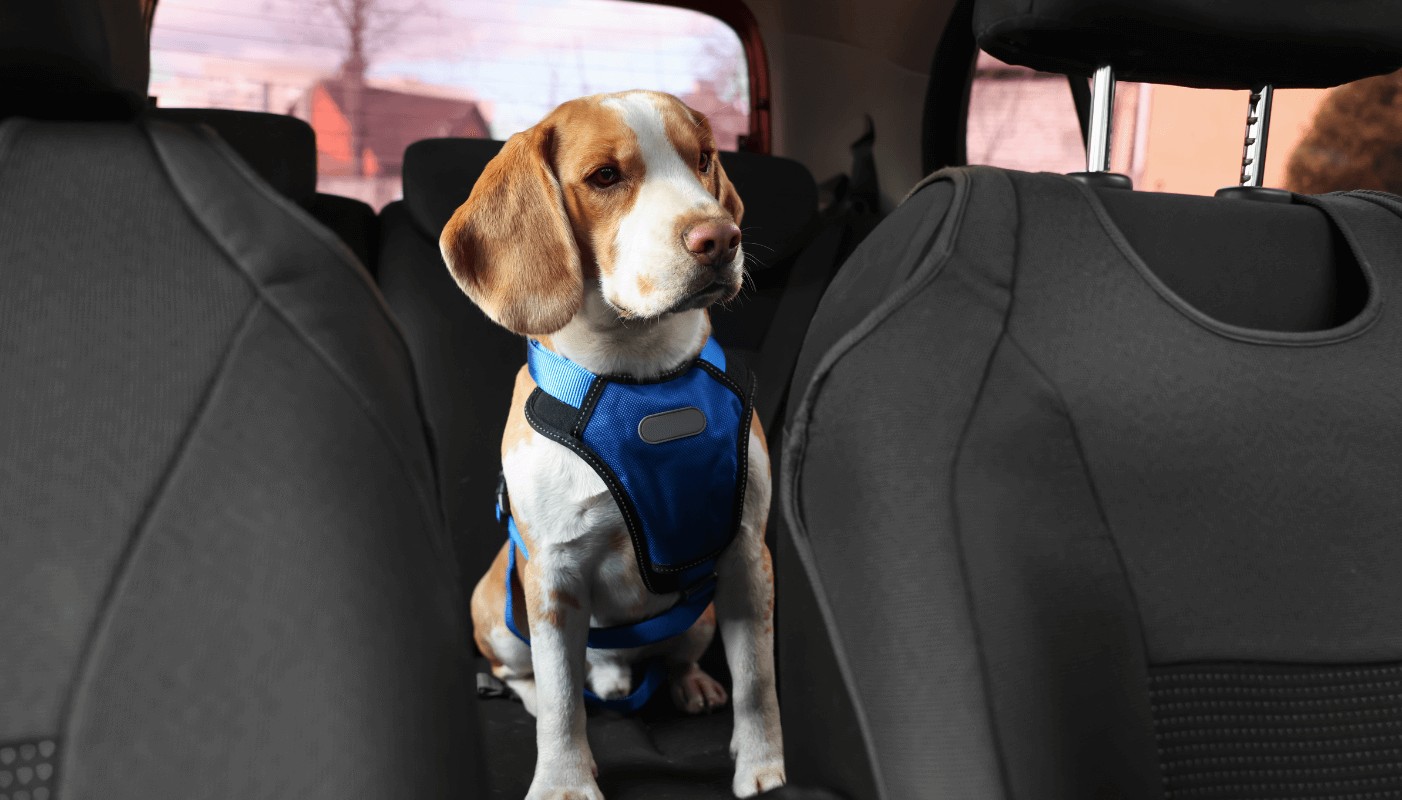
How to help your dog deal with the fear of driving?
