

When your dog shake his head or his rub ears to the ground – or your furry friend might just seem irritated and unhappy – there’s a risk that a common canine condition, otitis media, is to blame.
Commonly known as ear infection, footstool it is an inflammation of the ear that can be quite painful for your four-legged companion.
How did my dog get an ear infection?
Anatomically, dogs are simply prone to contracting ear infections some breeds more than others. A dog’s ear canals are L-shaped, which makes it difficult for fluid to drain from the canal openings.
Otitis externa appears in the ear canal but can still evolve Otitis mediawhich is an inflammation in the middle ear. When this happens, fluid builds up in the eardrum, causing pressure and pain.
Breeds such as the Cocker Spaniel and the German Shepherd are particularly prone to developing ear infections, as are Shar Pei dogs, which have small ear canals, or the Basset Hound, with long ear flaps.
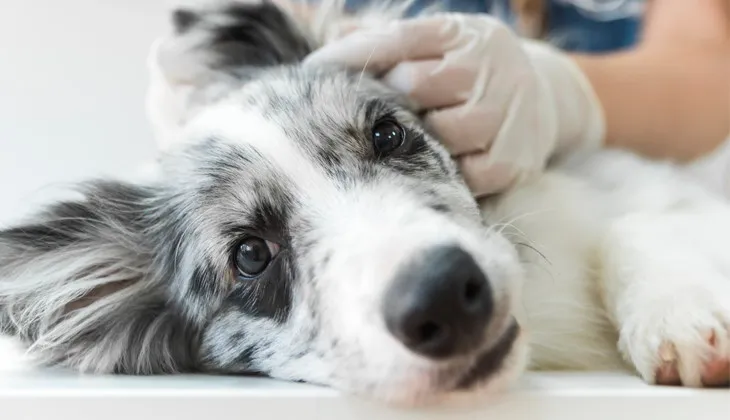
What are the most common causes of otitis media?
In puppies, otitis externa is often caused by ear mites. These are extremely common small parasites that cause very intense itching, often accompanied by thick, brownish secretions.
Most adult dogs develop ear infections due to an allergic reaction, which is a sensitivity to something in the environment or a food. This happens in almost 90% of cases.
Often there will be a rash somewhere on the body at the same time as your dog’s ears are affected.
Foreign bodies can also cause ear infections. These are things like a blade of grass or a seed that somehow got into your dog’s ear and got stuck in the ear canal. Fluid builds up and the result is pain and inflammation.
There are many others Predisposing causes of ear infection in your dog . These include the following:
- Poor ear hygiene (e.g. use of sharp instruments)
- Fluids that cannot drain from the ear canal
- Insect bites
- Hormonal problems
- Thyroid function problems
- Pre-existing skin problems
How do I know if my dog has an ear infection?
The dog is not very good at telling you when something is bothering him. It’s up to you to observe carefully signs of ear infection . These may include the following:
- Shaking or turning your head constantly
- Rub your head and ears against the ground (to scratch!)
- Scratching your head or ears frequently
- The earlobes may be red
- There may be a strange smell in your ears
- There may be discharge from the ears
- Some dogs may behave aggressively due to pain, especially if touched on the head
If your dog is suffering from otitis media due to an allergy, other parts of the body are likely to be inflamed, itchy, or have a rash.
You are most likely to find rashes on your dog’s paws, inner limbs, or face.
When the cause of ear infection is a foreign body, symptoms appear suddenly. You can see how your four-legged friend shakes his head violently, as if to detach something from his ear. It is also typical for only one ear to be affected.
Infections due to the presence of parasites, however, are usually chronic. They appear slowly and the symptoms intensify over time. And some ear infections, such as bacterial or fungal ones, are associated with a specific odor.
Early treatment is the most effective treatment
If you suspect that your canine friend has some type of ear disorder, the best thing to do is to contact your vet as soon as possible.
An acute condition can turn chronic if left untreated. This can impact the glands in the ear canals which can lead to a secondary infection or even hearing loss.
How is my dog’s ear infection treated?
Effective treatment of otitis includes paying attention to both the inflammation causing your dog’s discomfort and treating the infection itself.
Your vet will also want to determine the pre-existing factors that led to the ear infection.
Most dogs, regardless of the cause of the ear infection, will receive anti-inflammatory treatment to reduce pain and itching.
Your vet can perform allergy testing to identify the underlying cause of the ear infection, and if an infection is suspected, a test can be performed to confirm this.
Your vet will determine appropriate treatments based on the results, whether it’s allergy medications or antibiotics for the infection.
In the case of a foreign body stuck in the ear canal, the vet will gently remove it and treat the ear infection accordingly.
Cleaning the ears before any type of evaluation or topical treatment is generally considered essential and your vet will most likely perform a deep cleaning.
Cleaning your ears also helps dissolve any scabs or biofilms that may be covering bacterial colonies that would otherwise prevent the treatment from being effective.
A recheck is often necessary during the treatment of otitis media . This is important to determine whether treatment is effective and to confirm that the main factors that caused the infection are no longer present.
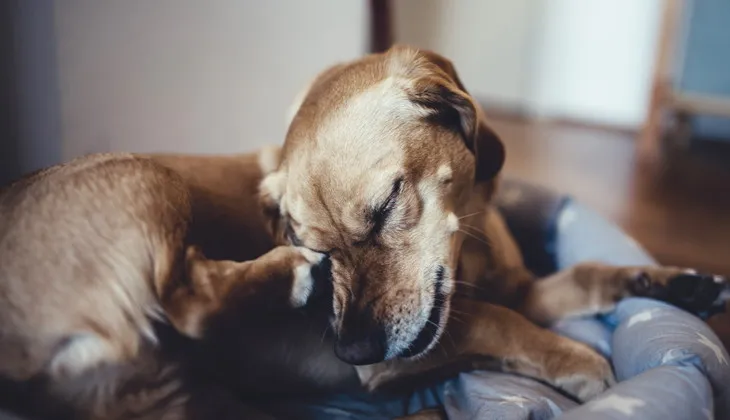
How can I prevent an ear infection in my dog?
Make sure your vet has annual physicals that include an ear canal exam, which will help identify cases of otitis media early .
While there are clinically effective preventative measures, there are some things you can do to reduce the risk to your friend. These include:
- Make sure your ears are completely dry after bathing (prevent water from entering the canal).
- If your dog has a lot of hair in his ears, ask your vet to clean him regularly.
- If your dog is prone to ear infections, ask your vet to clean them regularly.
- Be sure to take your dog to the vet for all routine checkups and follow instructions regarding medications and topical applications.
If your dog develops an ear infection, the most important thing is to do everything you can to prevent further complications from developing.
Problems such as chronic otitis media, hearing loss, otitis media and ear damage can be avoided if you watch your puppy’s signs and follow your vet’s instructions.
latest posts published

Diabetes in dogs and cats

Car travel with pets: prepare for the journey

7 questions to consider when you want to get a dog

How to protect your pet on hot summer days

Domestic dangers for dogs | Here are the most common household risks for dogs

The best Julius K9 harnesses and leashes for fun summer days
Common diseases of cats. Causes and symptoms

How to take care of your four-legged friend during the holidays

How to help your dog deal with the fear of driving?
