
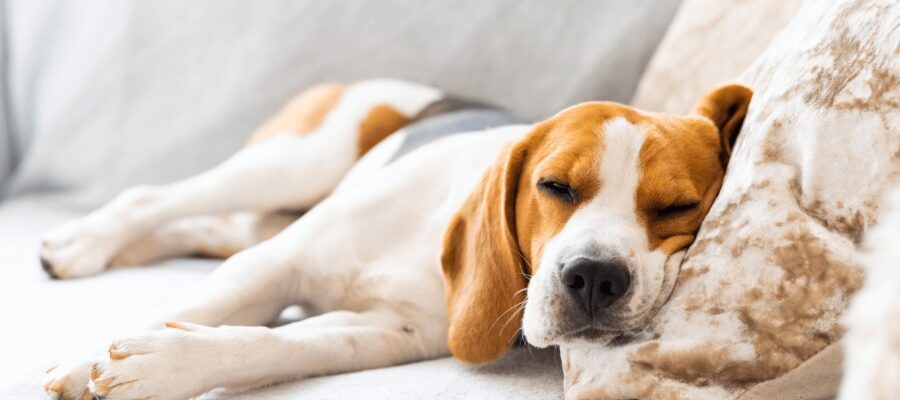
Have you ever wondered if your furry friend sleeps too much…or maybe too little? Maybe you found him snoring in a strange belly-up position again, or you thought he hadn’t slept a wink all night. Sometimes we laugh, because yes, it’s adorable how he rolls over in his sleep or makes little noises like he’s in a deep dream. Other times we worry, “Why isn’t he resting like he used to?” These seemingly trivial moments may hide small clues about his overall condition.
Sleep is essential for our pets, just as it is for us. It’s the time when their body recovers and their mind calms down. It is a profound pause, in which what the agitation of the day has worn away is repaired. Each nap supports their immune system, regulates their emotions and recharges their energy for all the moments of play and affection. And when sleep patterns suddenly change or are out of balance, it can be a sign that something is wrong. It’s not always a reason to panic, but it’s definitely a reason to be careful. A partner who suddenly becomes agitated at night or, conversely, sleeps excessively and avoids interactions, may need more support, physical or emotional.
How Much Sleep Should Your Dog or Cat Get?
Cats are real queens of sleep because they can sleep from 12 to 18 hours a day, and some even reach 20 hours, especially when they are puppies or elderly. And no, they’re not lazy, they simply conserve energy for play and hunting sessions… even if that “hunt” means a stuffed mouse.
Dogs, on the other hand, sleep on average 12-14 hours a day, with variations depending on breed, age and activity level. Large dogs or puppies may need more sleep, as may those who are recovering or during periods of stress.
6 Signs Your Quadruped’s Sleep Is Not Quality
A well-rested dog or cat wakes up gently, without agitation, with a desire to play or eat. But if you notice that their sleep is fragmented, restless, accompanied by frequent sighs or sudden awakenings, it could mean that something is disturbing their well-being. What are the signs that your sleep is not quality?
⮞ Wakes up easily at the slightest noise or is always alert;
⮞ Appears tired or lacking energy during the day;
⮞ Has difficulty falling asleep or turns around a lot in bed;
⮞ Sleeps in unusual positions or unexpected places;
⮞ Upon waking you may become more irritable, more withdrawn or, on the contrary, more agitated and dependent;
⮞ Panting excessively or breathing heavily at rest.
How can you improve your pets’ sleep quality?
Good sleep starts with a sense of security. And for our pets, this feeling mainly comes from the atmosphere we create for them.
⮞ Create a calm and safe place
The bed must not only be cute, but suitable for your needs and comfortable. Find a secluded space, away from the constant noise of the TV or hurried footsteps. If your cat prefers height, give him a spot on a cabinet or playset. If you have a dog, his ideal bed is where he feels close to his family, but not overwhelmed.




⮞ Stick to a routine
Animals love predictability. A consistent hour of sleep, regular walks and play at regular times sends them the message that there is a routine that makes them happy and calm.
⮞ Reduce sources of stress
Loud sounds, commotion in the house or frequent visits from strangers can profoundly disturb sleep. If guests or noisy work are announced, give him a secluded corner where he can retreat peacefully.
⮞ Exercise is essential
An animal that has expended energy during the day sleeps more soundly at night. Play with him, take him for a walk, challenge him with interactive games. Tired body and mind find the tranquility of sleep more easily.
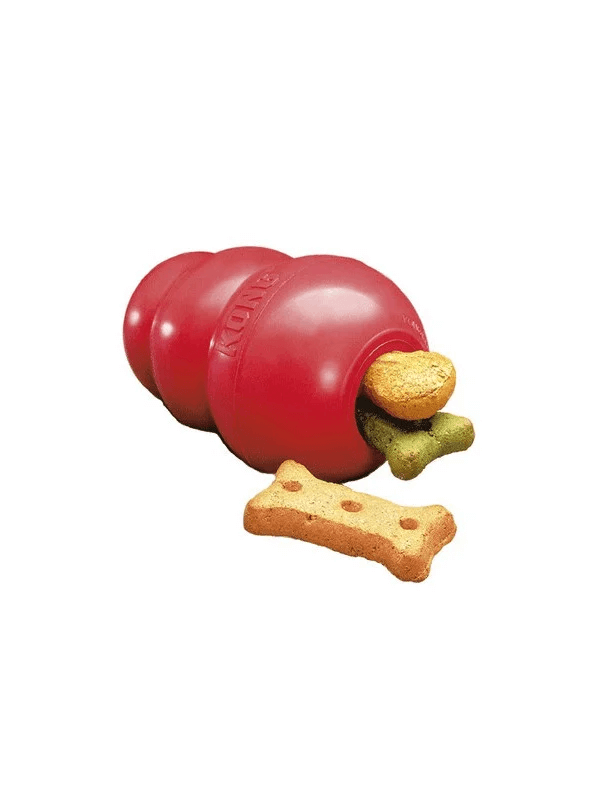




Sometimes the greatest act of caring doesn’t mean a complicated treatment or an expensive solution. Sometimes it’s just a warm bed, a quiet corner and your sincere attention.
When your pet is sleeping peacefully, you know it’s good. Not because he sleeps “a lot” or “little”, but because he sleeps with trust in you, in his spaces, in the life he lives with you.
So the next time you see him dreaming peacefully, perhaps with his mustache shaking or his paws moving slightly, don’t wake him. Smile and be happy that you gave him exactly what he needed: peace, love and that feeling of being “at home”.
Sources:
latest posts published

Diabetes in dogs and cats

Car travel with pets: prepare for the journey

7 questions to consider when you want to get a dog

How to protect your pet on hot summer days

Domestic dangers for dogs | Here are the most common household risks for dogs

The best Julius K9 harnesses and leashes for fun summer days
Common diseases of cats. Causes and symptoms

How to take care of your four-legged friend during the holidays
How to help your dog deal with the fear of driving?
