
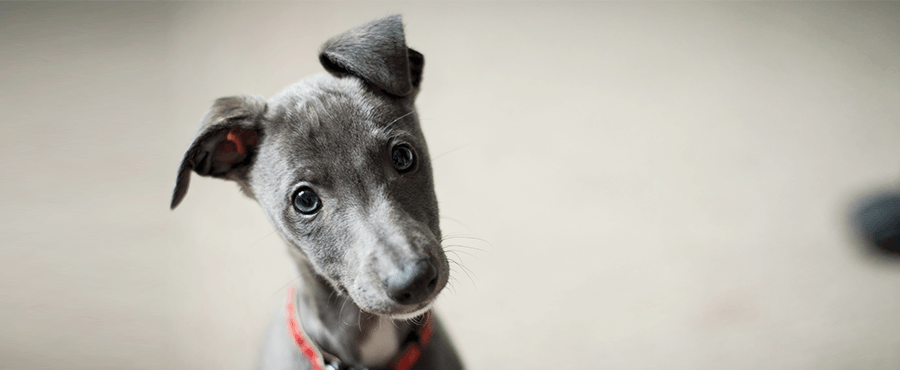
Puppies don’t open their eyes until they are about two weeks old. They spend these first two weeks relying on their good scent to navigate the nest and find their mother.
The moment they open their eyes, their world expands. Puppies are ready to leave their mother between seven and eight weeks of age, which is also the perfect age to begin socialization.
While you can By teaching an older dog new tricks, it is much easier to teach a puppy when and where to defecate, how to greet other animals and people with joy and an open heart, how to accept care from veterinarians and groomers, and how to explore the world safely.
So start socializing your puppy early and work quickly. There is a clear window of time in which you can socialize your puppy, between seven and 18 weeks of age.
Here are many puppy socialization features that can help you make the most of this important time.

THE BENEFITS OF SOCIALIZING A NEW PUPPY IN THE HOME ENVIRONMENT
LEARN NOT TO BELIEVE AT HOME
It won’t be long before your adorable pup leaves a gift on the floor. Even before this happens, you agree that it is essential that he does not defecate in the house.
The keys to learning this are consistency and patience. A proper, consistent program may not teach your dog overnight, but it lays the foundation for a quick and easy process with as little mess as possible.
Set a schedule that works for you. Take your puppy outside early in the morning and right before bed, after the puppy has eaten, drunk plenty of water, slept or played actively.
It is always useful to leave the house through the same door. It’s also smart to walk your puppy in the same place outside.
If you’re consistent, your puppy will start going to the door when it’s time to go outside, and if you’re lucky enough to notice these visual cues, the potty training process outside will be much easier.
MISCELLANEOUS WORKS
Getting used to various chores is more fun than learning not to defecate in the house. Your puppy needs to feel comfortable being held and touched by people.
Many different people will keep your puppy for its entire life. Take the time to hold, cuddle and touch your dog.
Place the puppy on your lap, on his back, touch his ears, eyelids, nose, mouth, teeth, toes, tail and paws.
Your puppy will also need to be comfortable being touched and poked by the vet or possibly the groomer. Ask your vet to show you how to trim his nails if you are unsure.
The more comfortable the puppy gets with the various handles, and the more comfortable you are with them, the easier it will be for both of you.
house
Puppies are natural explorers. Help him explore your home safely. Expose it to different surfaces in your home, such as hardwood floors, tiles or carpet.
Decide early on whether you will allow your puppy to climb on furniture. If you plan to leave your puppy on the lounge chairs, determine the areas where the puppy is welcome and also determine the areas where the puppy is not allowed.
When you create boundaries for your puppy, it is much easier to maintain them when he becomes an adult dog.
Some people don’t mind if a 5kg puppy sleeps in the bed with them, but when the puppy turns into a 40kg dog, there may not be room for everyone in the bed.
THE ADVANTAGES OF SOCIALIZING A NEW PUPPY IN THE OUTDOOR ENVIRONMENT
WALKING IN DIFFERENT PLACES
Your puppy needs to learn how to get from point A to point B, how to approach and greet other mammals (humans and animals), and how to enjoy human-friendly places (like busy streets, hotels, and restaurants where dogs are allowed) or animal-friendly places (like dog parks and hotels).
This may all seem overwhelming, especially when you consider including everything in the first five months of your puppy’s life, but it’s not. The secret is to live life with your puppy. Are you going somewhere by car? Get the puppy too.
Are you walking in the park? Get the puppy too. Are you going out for lunch? Get the puppy too. The best way to socialize your puppy into your life is to experience life together.
Hanging out with your pup is also a quick way for both of you to encounter lots of new worlds. Puppies are people magnets. Allow strangers to stop and pet your puppy and reward him when he behaves well.
If your puppy is overwhelmed by the experiences you expose him to, take a break together and give him space to relax. You can try again later. It may take some time, but over time your puppy will get used to living with you.
PREPARE FOR SURPRISES
You probably don’t think it’s possible to prepare your puppy for a surprise, but it is. If you can imagine how loud noises and strange sights scare you, you can imagine the effect they can have on your puppy.
You can start with something simple, like knocking on the door or ringing the doorbell, and then gradually work your way up to car horns and sirens.
The key is to keep your puppy accustomed to sights and sounds that seem to come from nowhere, so that when thunder or lightning comes and you want to run for cover, your puppy has no problems.
Socializing a new puppy sets the stage for a fun and happy life together. A puppy that understands its place in your home will grow up confident, sociable and well-behaved.
Take the time to train your puppy to respond to simple commands, including “sit,” “stay,” and “down,” as these can save his life in the future.
If you’re not sure where to start, talk to your vet about a reputable training school in your area.
Enrolling your puppy in training classes is also a great way to socialize with other puppies. Make sure you have your pockets full of rewards to give your furry friend for every command well executed.
Are you looking for a vet?
The veterinarian has a very important role in the animal’s health. Enter your location information and get a list of vets near you.
latest posts published

Diabetes in dogs and cats

Car travel with pets: prepare for the journey

7 questions to consider when you want to get a dog
How to protect your pet on hot summer days

Domestic dangers for dogs | Here are the most common household risks for dogs

The best Julius K9 harnesses and leashes for fun summer days

Common diseases of cats. Causes and symptoms

How to take care of your four-legged friend during the holidays
How to help your dog deal with the fear of driving?
