
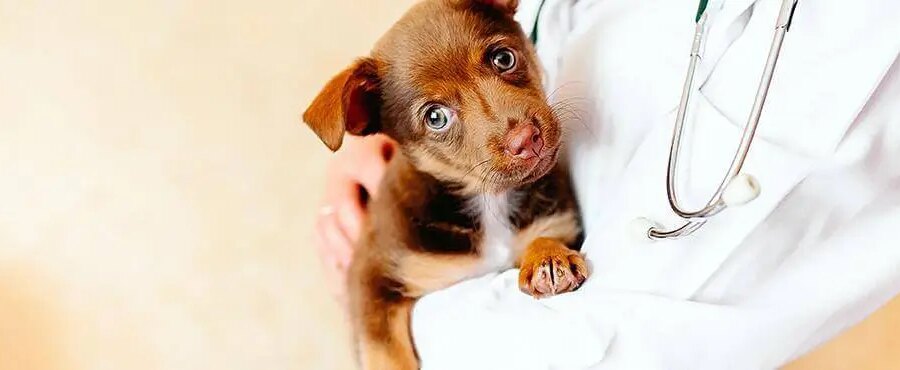
You want the best for your four-legged companion, and taking him to the vet for regular checkups is just one of the things you do to keep him healthy.
While you’re there, it’s a good idea to ask the vet any questions you might have, but maybe you’re afraid that the vet will think those questions are really silly.
Most vets, however, will tell you that there are no stupid questions! The more you know about your pet, the better. To get an idea of some questions veterinarians are frequently asked, read below.
WHY ARE DOGS’ NOSES ALWAYS WET?
Dogs have an extraordinary sense of smell. They explore the world with their sense of smell and detect odors up to 10,000 times better than us! Dogs have over 100 million sensory receptors in their nasal cavity compared to our 6 million.
This extraordinary sense of smell works best under conditions of a humid nose, which captures aroma particles better.
Your dog’s nose is kept moist in two ways:
- Mucus secretion . The mucosa contains cells that produce mucus to keep the inside surface of the nose moist.
- Lins constant . Dogs often lick their noses to keep them clean and remove dirt that can affect other odors. They also lick their noses to bring aromatic particles into their mouths. Many dogs learn to lick their nose to prevent it from drying out.
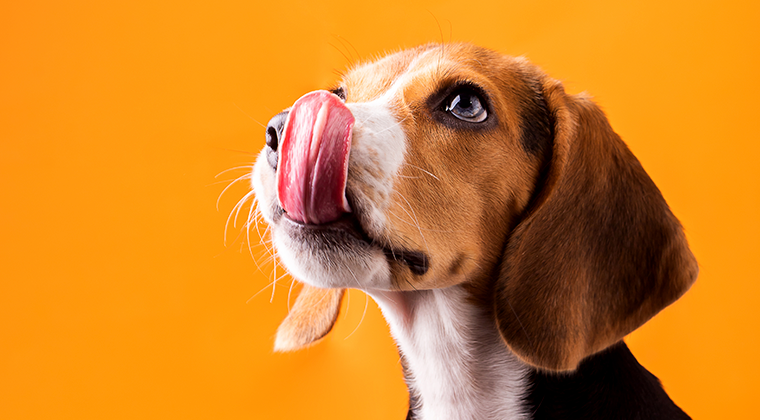
WHAT DOES DRY NOSE MEAN?
People fear that if their dog’s nose is hot and dry, it means he is sick. This fact is not necessarily true. Some healthy dogs naturally have drier noses, and similarly, some sick dogs have cold, wet noses. The temperature and humidity level of a dog’s nose is not a good indicator of the dog’s overall health or body temperature.
If your dog’s nose is warm and moist but he is acting normally, there is probably nothing to worry about.
If there are other signs, such as lethargy or loss of appetite, you should talk to your vet. Additionally, if the skin around the nose becomes red, cracked, or painful, veterinary attention may be needed.
WHY DO MY DOG’S PAWS SMELL LIKE CORN FLAKES?
Your dog has another type of glands in the skin of his paws that help keep the skin hydrated and elastic. These are called sweat glands. Sometimes bacterial action on the skin and residue on pads can actually produce a cornflake-like odor!
Bacteria is one of the main causes of foot odor, and if you think about all the different surfaces your dog walks on every day, it makes sense. Some types of bacteria on your dog’s pads or in the surrounding fur produce a strong odor.
This odor may disappear with a simple bath, but if it is very pronounced or if you suspect a skin problem, then it is a good idea to accompany the dog for a check-up .
ARE SOME DOG BREEDS, LIKE THE PITBULL, REALLY MORE AGGRESSIVE?
Dog breeds were originally selected for their ability to perform certain activities, such as hunting, tracking, herding, or even herding.
The Pitbull breed descends from the English bull-baiting dog, selected for its bite force on bulls, bears and other large animals. Today’s Pitbulls are more the result of years of casual mating without attention to behavioral characteristics and now have a wide range of behavioral predispositions.
Genetics may predispose a dog to certain types of behavior, but environment, socialization, and experiences will ultimately determine its true behavior.
It’s a good idea to look at the individual rather than the race.
WILL STERILIZING OR NETRATING A DOG CHANGE ITS PERSONALITY?
There are several behavioral and medical benefits to neutering (for males) or spaying (for females) your four-legged friend. Although his personality will not change much, some less desirable behaviors that might otherwise appear can be avoided.
The sterilized female, for example, will not go into heat, avoiding blood loss, frequent urination and howling. The neutered male is less likely to mark territory throughout the home. He will lose interest in climbing on other dogs, people and objects. And most importantly, aggressive behaviors will be mitigated.
DO DOGS HAVE A DOMINANT PAW?
As in our case, many dogs prefer to use one paw more than the other, or what researchers call “laterality.” In 23 different studies, 63% of puppies preferred a particular paw, while 37% had no preference. Only about 1% of people are ambidextrous.
CAN THOSE WITH AN ALLERGY TO DOGS EVER ADAPT TO LIVING WITH DOGS?
You might first choose a breed that is “hypoallergenic” and suits your lifestyle. Then there are some additional steps you can take to adjust to living with a furry friend:
- Prepare your home against allergies . Minimize surfaces that allergens can easily adhere to, such as carpets and curtains.
- Keep surfaces clean . Frequent vacuuming of floors and furniture is recommended, and wearing a mask may help. Wash materials your dog has touched, such as bedding, and don’t forget bedroom furniture.
- Hygiene . Wash your hands after handling your dog and keep your dog groomed and washed frequently. Maybe someone else in the family bathes the dog, or maybe you can ask a professional.
- drugs . Talk to your doctor about treatments that may be most helpful for you.
CAN DOGS CRY TEARS WHEN THEY ARE ANGRY?
Your dog may feel sadness and pain, but he won’t cry like humans, with rivers of tears.
Dogs have tear ducts and produce tears, which are essential for keeping their eyes comfortable, healthy and clean. If you notice your dog crying, it could be for several reasons:
- An eye infection
- A narrowed or blocked tear duct
- Allergies
- Damage to the ocular surface
- An eye irritant
Eye health problems are an important reason to contact your veterinarian. Sometimes not having enough tears can lead to more debris or mucus in the eyes.
Are you looking for a vet?
The veterinarian has a very important role in the animal’s health. Enter your location information and get a list of vets near you.
latest posts published

Diabetes in dogs and cats

Car travel with pets: prepare for the journey

7 questions to consider when you want to get a dog
How to protect your pet on hot summer days

Domestic dangers for dogs | Here are the most common household risks for dogs

The best Julius K9 harnesses and leashes for fun summer days
Common diseases of cats. Causes and symptoms

How to take care of your four-legged friend during the holidays
How to help your dog deal with the fear of driving?
