

Do you know the special bond you have with your pet? It’s priceless, right? But in the hustle and bustle of everyday life and taking care of his other needs, like toys and treats, it’s sometimes easy to forget about other things, like prevention.
And you’re not the only one… A recent study showed that over 90% of dog and cat owners went to the vet within 5 years, but only 40% of them visit the vet every year.1
In addition to not prioritizing prevention, some owners turn to the Internet for a quick diagnosis whenever they notice a problem with their pets. While it’s great to be proactive about your pet’s care, searching for symptoms on the Internet usually leads to incorrect conclusions and delays in getting the right treatment, which can make your pet’s condition worse.
This is where periodic veterinary checks come in: they are an essential element of prevention, not just something optional. These consultations, along with vaccinations, parasite prevention, dental care, weight management and more, are a vital investment that will keep your furry friend happy and healthy for many years to come.
Despite knowing the importance of periodic checkups, some owners may hesitate to schedule visits to the vet due to the discomfort felt by the pet, which could be the result of stressors such as fear of unknown places. Fortunately, there are strategies to reduce your pet’s stress during the consultation, such as crate training and positive reward techniques.
Routine veterinary visits are essential to ensuring your pet lives a longer, healthier, happier life
Learn more about check-ups, home care and how to keep your pet healthy for many years!
GET THE GUIDE
Reasons why prevention is best for you and your pet
- Early identification of problems saves lives
As with humans, catching illnesses or conditions in your pet sooner rather than later increases the chances of successful treatment and recovery. This is where regular checkups at the vet come into play. These consultations offer a fantastic opportunity to identify health problems early and increase the likelihood that your pet will receive the treatment it deserves.
- Convenient care
Although prevention requires an initial investment, it is much less expensive than managing advanced diseases or emergencies. If you wait until your pet is visibly ill, you can expect high bills for medical services, expensive medications, and even surgeries; however, investing in prevention often leads to less expensive treatments and lower healthcare costs over time.
- Trusted recommendations from your vet
In today’s digital world, it’s tempting to turn to Google or Internet forums for pet health advice. However, your veterinarian remains the most reliable source of information, providing not only an explanation for your pet’s condition, but also solutions suited to your needs.
Information found on the Internet can often be overwhelming, conflicting and incorrect, but your veterinarian provides personalized advice based on years of study, training and in-clinic experience. Many diseases and conditions go unnoticed by the untrained eye, especially in the early stages.
A British study found that 28.1% of randomly selected cats and 14.4% of randomly selected dogs had fleas2while a US study found that over 80% of dog parks in large cities have at least one dog testing positive for internal parasites3.
Your veterinarian can help you with a personalized plan to minimize the risk posed by parasites, and the pathogens they can transmit can be harmful to both you and your pet. By consulting your vet for prevention, you will receive reliable advice, tailored to your pet’s individual needs.
- Complete and personalized care for your pet
Your veterinarian is not just a doctor: he is your pet’s most important ally in keeping him healthy and happy. From routine vaccinations to a personalized nutrition plan and behavioral support, your veterinarian provides comprehensive care tailored to your pet’s needs.
Preventive visits also allow your veterinarian to monitor your pet’s health over time, note any changes or raise concerns, and adjust the care plan as needed, ensuring your pet has the best possible support throughout its life.
- Strengthen the bond with your pet
In addition to the physical health benefits, investing in prevention strengthens your bond with your pet. Regular veterinary visits build trust and familiarity, making future appointments less stressful for both you and your furry friend. By prioritizing prevention, you demonstrate your dedication to your pet’s well-being by maintaining a bond based on mutual love, care and respect.
Prevention isn’t just a luxury: it’s essential to ensuring your pet’s health and happiness. By investing in regular veterinary checkups, you give your furry companion the best chance for a long, healthy life. So don’t wait for problems to arise; be proactive to protect your pet’s health through prevention.
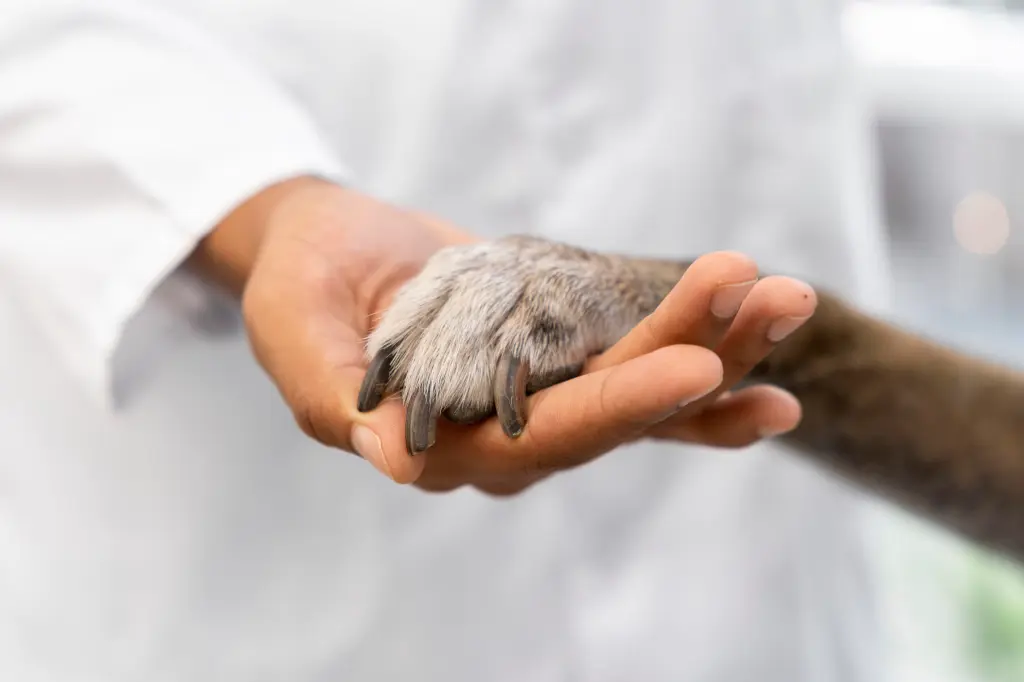
The vet is your pet’s best ally
By cultivating open communication and trust, you can work with your veterinarian to meet your pet’s specific needs and provide personalized care.
Your veterinarian is also a valuable source of information and references, offering expert advice on a variety of topics including nutrition, behavior and training.
By actively working with your veterinarian and seeking assistance, you can receive valuable information about your pet’s health and well-being and make informed decisions about your pet’s care.
Your veterinarian plays a very important role in your pet’s health. When you have doubts about your pet’s condition, consult your trusted veterinarian for the most precise information and the best solutions.
Are you looking for a vet?
The veterinarian has a very important role in the animal’s health. Enter your location information and get a list of vets near you.
FIND A VETERINARY DOCTOR
References:
- Bir, Courtney et al. “Familiarity with and use of veterinary services by dog and cat owners residing in the United States.” Animals: An Open Access Journal of the MDPI, US National Library of Medicine, March 13, 2020.
- Abdullah, Swaid, et al., Pathogens in fleas collected from cats and dogs: distribution and prevalence in the UK – Parasites and vectors, BioMed Central, BioMed Central, 6 February 2019.
- Stafford, Kristina, et al., Detection of Gastrointestinal Parasitism at Recreational Canine Sites in the United States: The DOGPARCS Study., National Center for Biotechnology Information, US National Library of Medicine, June 1, 2020.
latest posts published

Diabetes in dogs and cats

Car travel with pets: prepare for the journey

7 questions to consider when you want to get a dog
How to protect your pet on hot summer days

Domestic dangers for dogs | Here are the most common household risks for dogs

The best Julius K9 harnesses and leashes for fun summer days
Common diseases of cats. Causes and symptoms

How to take care of your four-legged friend during the holidays

How to help your dog deal with the fear of driving?
