
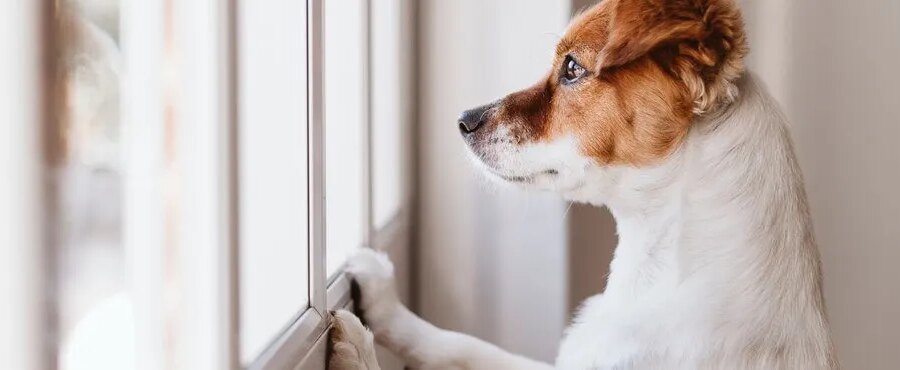
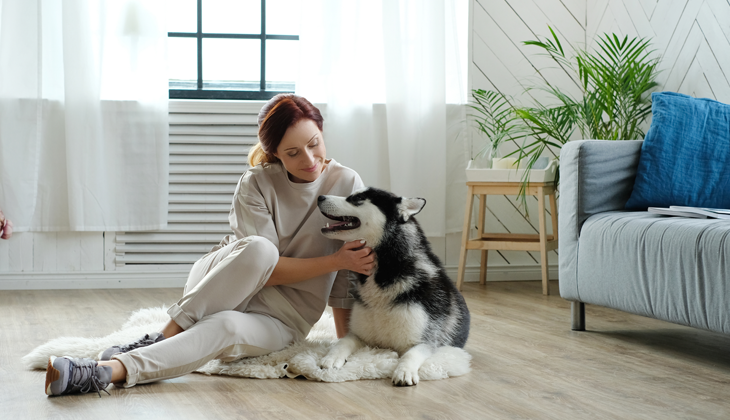
If you’re lucky enough to stay home all day with your dog, then you know what a wonderful companion your furry friend truly is, especially in times of stress.
There are many studies illustrating the benefits of sharing your life with a canine friend, including reduced anxiety, lowered blood pressure, and increased levels of serotonin and dopamine (both of which play a very important role in calm and well-being).
More importantly, owning a dog reinforces your routine when you’re at home and helps with that maintaining a sense of normality .
At the same time, our dogs are, by nature, social creatures, so they enjoy it when their owners stay home with them day and night. But what will happen to our dogs when we return to work and school? How will our dogs react when we return to their old routines and are left alone for longer periods of time?
For many dogs, this change can feel like a major life event, and even puppies who have shown no signs of separation anxiety in the past, they may suddenly develop severe stress and behavioral problems.
There are some measures you can take that will not only give your dog a sense of security but will also improve his quality of life.
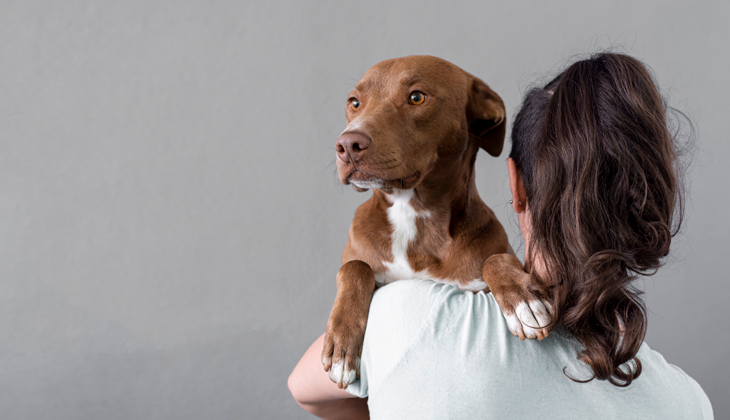
TEACH YOUR DOG TO BE QUIET
You want a dog that is comfortable on his own and if you can teach him some “solo skills” this will benefit both of you in the future.
Here are some ideas for implementing calming skills:
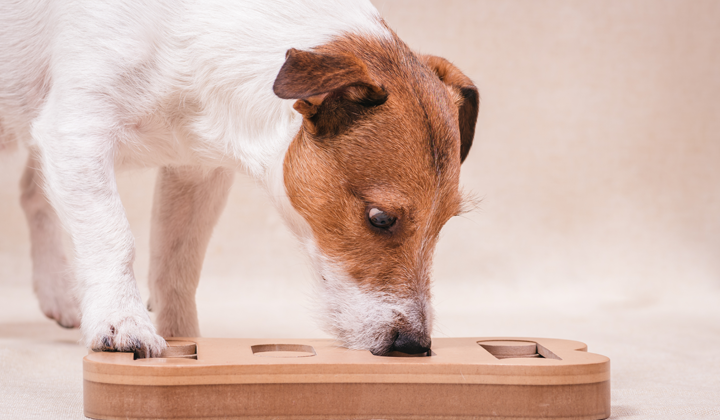
- Tie the dog with a light leash to a stable object, a few meters away from you. Give him a toy filled with food to keep him busy. Try to do this at least five times a day for 5-10 minutes. As your dog shows fewer signs of stress, gradually increase the distance from you until you can go to a completely different room.
- If your dog is used to being in a crate, give him several rest sessions during the day. These should be short and the dog should have an occupational therapy food toy.
- If your dog is not used to being in a crate and you have one at home, consider starting the process by providing meals in the crate and placing treats and toys inside. This will encourage the dog to come into the crate and spend time there and you can start to work on short periods of time spent inside with you around.
- If you enjoy walking or exercising outdoors, consider taking at least one short walk a day without your dog. You can also practice entering and exiting the house through the front door on your own.
- Make sure your dog takes at least one nap a day away from you. You can make him sleep in a cage or separated by a gate or in a playpen.
PROVIDE A PREDICTABLE ROUTINE
Predictability has a calming effect on humans and dogs! Especially if your dog is anxious, the predictability of his day, whether you’re at home or away from home, will go a long way in calming his canine nerves.
Try to establish a daily routine so the dog knows when to start waiting for your attention.
This means nutrition, physical activity, play, physiological needs and training. The dog should also know when in the day’s schedule he should expect you to ignore him. These are the times when he should sleep or play with his favorite toy. Try to schedule these times for when you are normally away from home.
PHYSICAL AND MENTAL STIMULATION
When interacting with your dog, during play, movement, training and time for physiological needs, you will want to achieve total involvement in these moments. These sessions should be regular and stimulating enough for your furry friend so that, at the end of each session, he is ready to calm down and relax.
You may also want to give him an extended play and exercise session before any departure or when you know he will be alone for a while.
This helps reduce the dog’s energy and tires him out, so he is ready to relax.
CREATE A RELAXATION AREA
Teaching your dog to relax or play with toys in a designated place will give him a safe area where he can stay when you are not home.
You can start by training your dog to go to that spot using treats, gradually increasing the time spent in the relaxation area. Ultimately, you’ll want to establish a daily routine in which your dog learns to go to this place after exercise or play, for sleep or to play with toys.
You can give him rewards here and add other elements to make it relaxing, such as a comfortable bed, music, or an item of clothing with your scent.
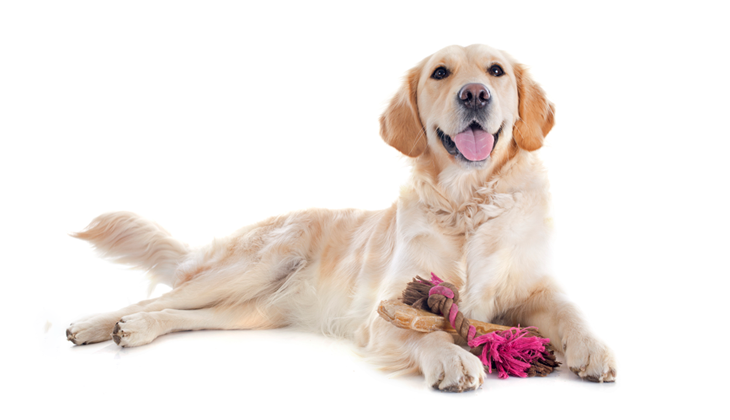
COUNTERCONDITIONING
For dogs with mild separation anxiety, a process called “counterconditioning” can be very effective. Through this training, your pet’s anxious or fearful reaction to a situation is transformed into a relaxed response.
Over time, your dog will learn that the very thing he fears – being left alone – actually leads to something good. In the case of separation anxiety, this generally means something nice to eat.
To develop this association, you can offer your dog a toy filled with food, such as low-fat cream cheese, peanut butter, or frozen banana. It should take a good 20-30 minutes for your dog to finish the treat – plenty of time for him to be satisfied and happy.
Upon your return home, you should remove these rewards so that they are associated only with your departure.
However, this type of training is only effective in dogs with mild separation anxiety. Dogs with more severe separation anxiety normally don’t want to eat at all.
SEVERE SEPARATION ANXIETY
In more severe cases of separation anxiety, the training is more complex. Your agitated dog will need to gradually get used to being alone, with gradually increasing separation intervals.
The process for these dogs is known as “desensitization and counterconditioning.” It is best to implement this process under the guidance of a qualified and experienced professional, as it can have adverse effects and your dog may be even more scared and stressed.
SIGNS TO BE CAREFUL
If you are concerned that your four-legged friend is suffering from some form of anxiety, here are some common signs to look out for:
- Urination/defecation . Some dogs will have “accidents” if left alone. If accidents happen even in the presence of the owners, the problem is most likely not separation anxiety.
- Barking/Yelling . If left alone, many dogs express their disappointment. This barking or howling is persistent and is triggered by standing alone.
- Red/Digging/Destruction . Some dogs destroy objects in the home, gnaw on door frames or shoes, or gouge doors and entryways. These behaviors can lead to self-harm, such as chipped teeth, cuts, scratched pads and broken nails.
- The escape . A dog with separation anxiety may try to escape from the area to which he is confined. They may try to do this by trying to dig or gnaw on doors or fences, which can cause damage to their teeth and nails.
- standing . Some dogs may walk or run a particular path in a repetitive pattern. They can run in circles or walk back and forth.
The most important aspect related to these activities is the fact that they must be observed whether they take place in the presence of the owners or not, indicating whether it is separation anxiety or other reasons.
PLEASE NOTE…
Your dog’s anxious behavior NOT it is the result of disobedience or enmity. If your dog exhibits behaviors associated with separation anxiety, try to remember that he is angry and trying to deal with stress.
It is important not to scold or punish him for these behaviors. If you do this, your dog will be even more upset and the problem could become very serious.
latest posts published
Diabetes in dogs and cats
Car travel with pets: prepare for the journey

7 questions to consider when you want to get a dog
How to protect your pet on hot summer days

Domestic dangers for dogs | Here are the most common household risks for dogs
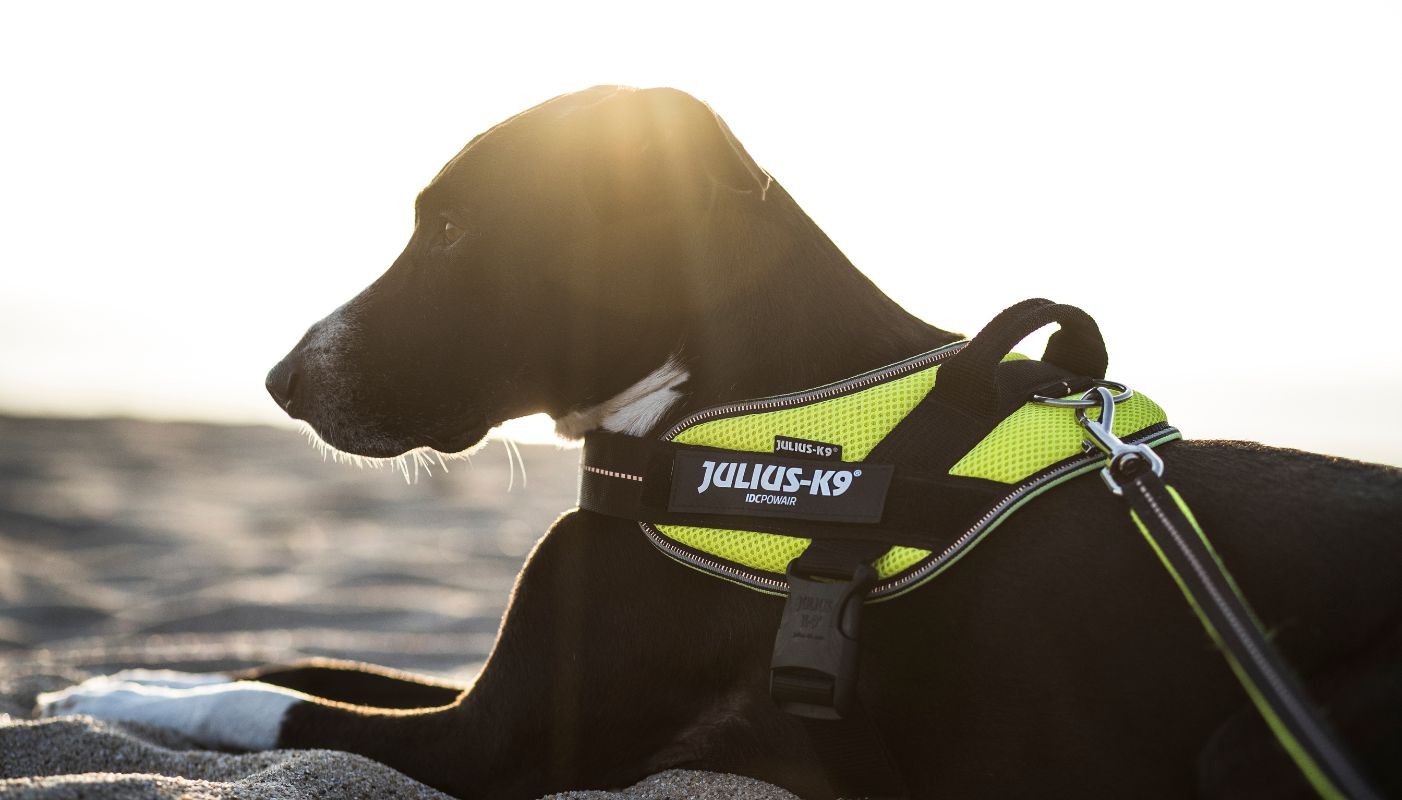
The best Julius K9 harnesses and leashes for fun summer days

Common diseases of cats. Causes and symptoms

How to take care of your four-legged friend during the holidays
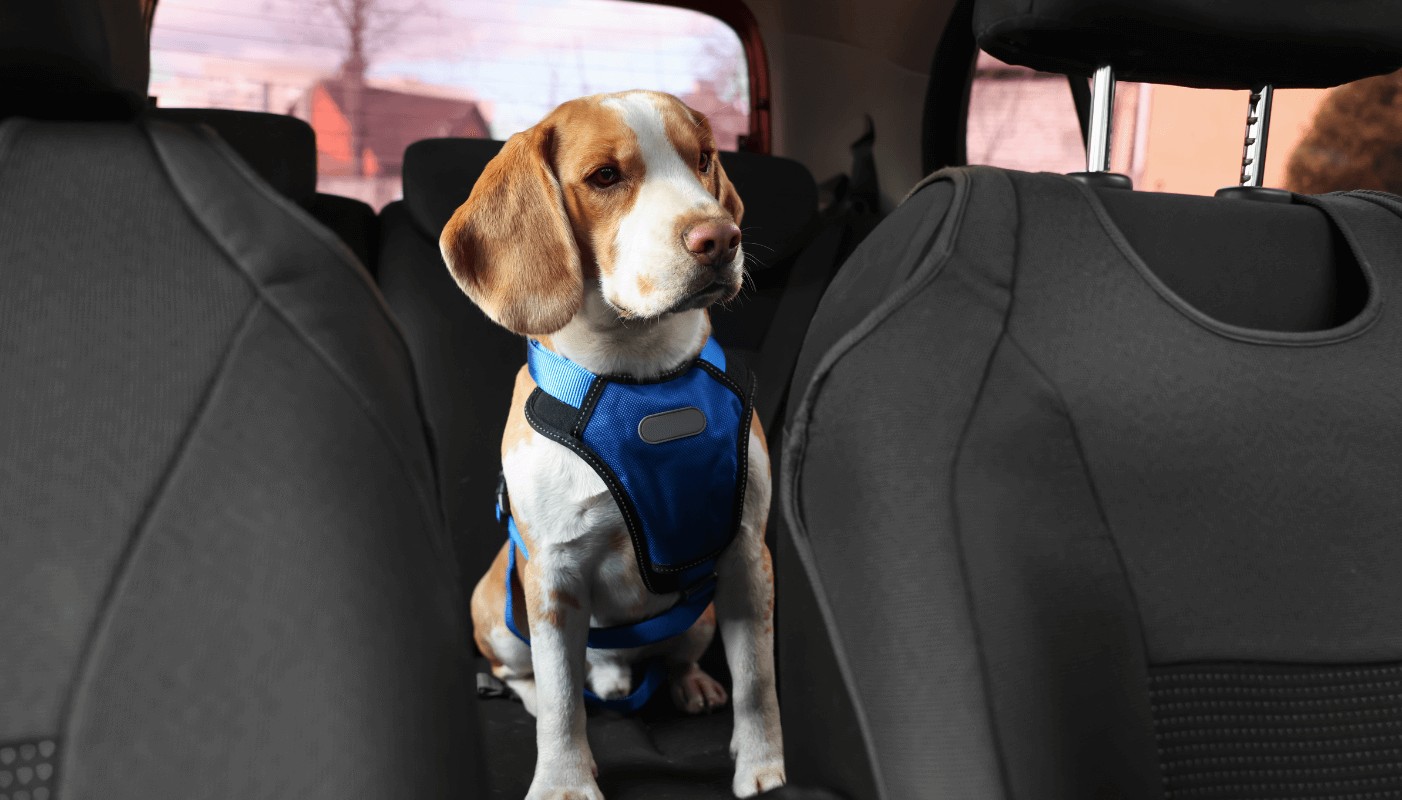
How to help your dog deal with the fear of driving?
