

We love them, appreciate them and enjoy every little gesture they do for us. But, when you get home and the little quadruped doesn’t bark, wags its tail or greets you anymore, you have to ask yourself a question mark. Unfortunately, there are a number of conditions in dogs that, depending on the severity, can either just dampen their energy or cause some pretty serious health problems. These conditions are genetic or caused by external factors such as diet or environment.
The good thing is that, if caught early, they can be resolved and your furry friend can regain his energy and continue enjoying precious moments with his owner.
1. Ear infection
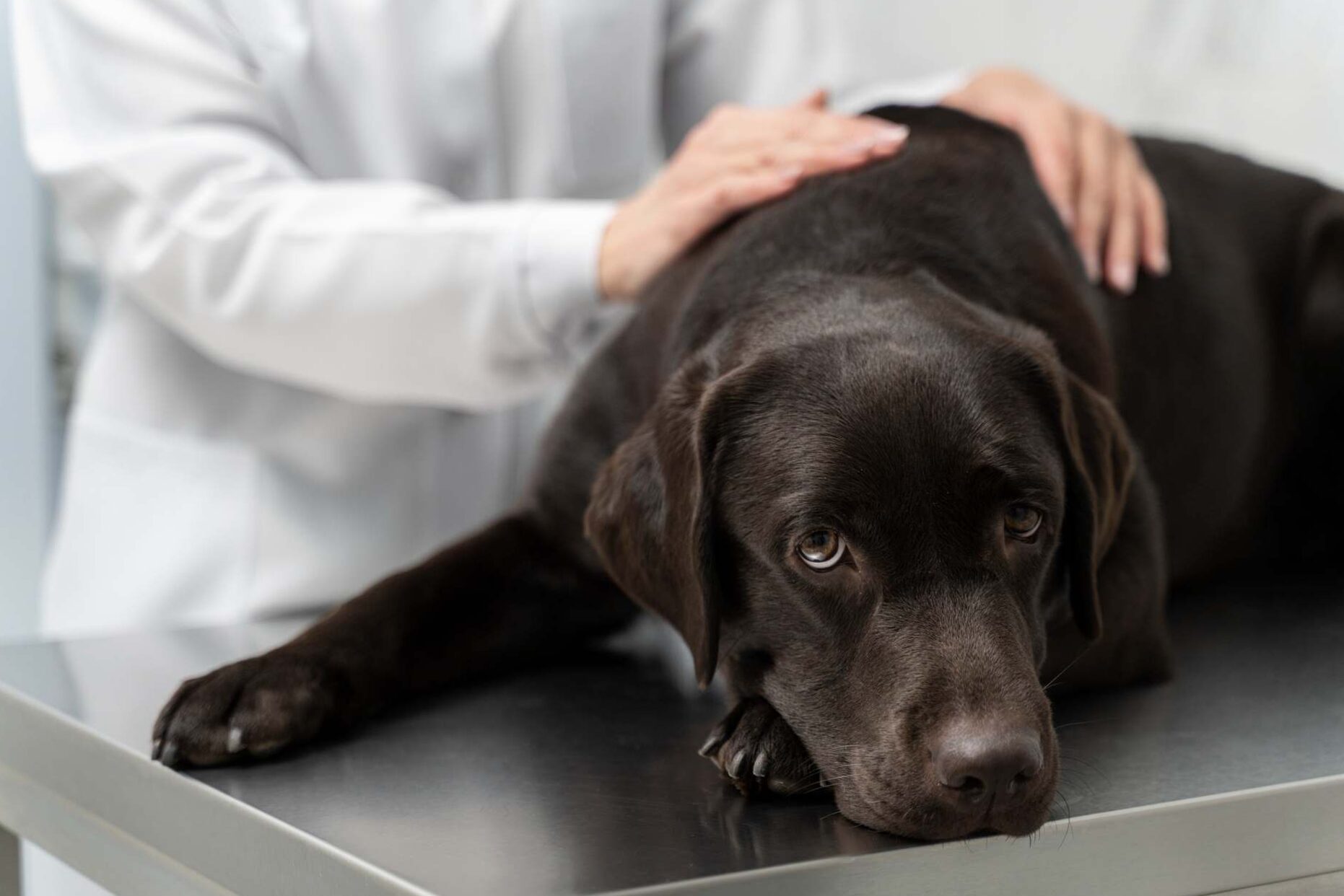
Ear infection in dogs is often caused by various allergies caused by wheat, soy or corn in their diet, or by mites, parasites, foreign bodies or hormonal imbalances. The dogs most prone to this condition are those with large, pendulous ears.
When your pet suffers from an ear infection, you will notice how he persistently scratches that area, shakes his head, or rubs his head against furniture or the floor. If the infection is already advanced, you may notice redness in the ear canal, crusting or hairlessness around the ear, imbalance, walking in circles, or even hearing loss.
Since the main treatment offered in this case is thorough cleaning of the ear. Subsequently, depending on the severity of the infection, a specific antibiotic or antifungal treatment will be prescribed.
2. Dental disease
This condition is most common among dogs after 3 years of age. The most common oral infections are gingivitis or tartar and periodontal diseases such as abscesses are also found among older dogs.
As symptoms of dental disease we can see bad breath, tooth loss, excessive drooling, lumps on the gums or under the tongue, discolored gums, bleeding, pus or lack of appetite and refusal of food, especially dry food.
Through correct and regular dental hygiene it is possible to prevent all these pathologies.
3. Obesity
Unfortunately, this pathology is also found in dogs and, over time, can lead to complications regarding the health of your four-legged friend. When you suspect that the quadruped is over the optimal weight, you can check for obesity by palpating the rib cage with your hands. If you can’t feel your dog’s ribs, it’s a sign that his weight is above the normal limit. The most exposed to obesity are sterilized or female dogs and, with a weight above normal limits, dogs are exposed to various conditions such as diabetes, respiratory and cardiovascular problems, arthritis, but also to a reduced life expectancy. Therefore, to avoid obesity, pay close attention to the diet your quadruped eats, especially if it has undergone sterilization surgery, but also to the activity it carries out during the day. Make sure you always make time for walks and physical activities.
4. Rabia
Being a viral and fatal disease, rabies is transmitted through the bite of other infected animals or through the saliva of an infected animal entering the body of another animal through the mucous membranes, affecting both the brain and spinal cord.
Symptoms of rabies do not appear immediately after exposure to the virus, but it can take a period of 2-8 weeks for it to incubate. Signs of rabies are changes in behavior through restlessness, aggression or irritability, fever, seizures, lack of coordination, and disorientation or paralysis of the hind limbs. Rabies can be prevented by vaccination, therefore in some states the rabies vaccine is required by law. As for treatment, unfortunately there is still a cure for this disease.
5. Parvovirus
Transmitted through exposure to contaminated feces or through contact with food bowls, clothing or shoes that already contain the virus, parvovirus is most common among young, adolescent or unvaccinated dogs. Some dog breeds are also prone to this condition, such as Labradors or German shepherds. Canine parvovirus is a highly contagious disease that affects the intestinal tract and white blood cells, damaging the heart muscle. If left untreated, it can even lead to death.
Symptoms of this disease may include severe vomiting, lethargy, loss of appetite, or foul-smelling bloody diarrhea.
Treatment for this disease is intensive and requires both infusions and antibiotic medications to control symptoms and stimulate the dog’s immune system. However, to avoid complications, it is recommended to prevent this disease through the vaccine, administered correctly and according to the standard time interval.
6. Lyme disease
Transmitted by ticks, Lyme disease is difficult to detect and can cause serious health problems for your pet.
It is advisable to prevent this condition by limiting exposure to grass or areas populated by ticks, by periodic external deworming of the quadruped or by vaccination against the disease.
Symptoms of Lyme disease may appear 2-5 months after the tick bite and include fever, malaise, swollen or painful joints, lameness, depression, difficulty breathing, or loss of appetite. If you have noticed a tick on your quadruped or notice the symptoms listed above, a visit to the vet is recommended to identify the possible disease and prescribe treatment.
7. Leptospirosis
Transmitted through contaminated water, leptospirosis affects both the kidneys and liver. The quadruped can come into contact with the bacteria by swimming in lakes or rivers, through contact with various rodents or through contact with infected urine. Leptospirosis can also be transmitted from mother to child through the placenta.
When infected with this bacterium, the dog will show symptoms such as lethargy, fever, tremors, muscle pain, excessive thirst and urination, vomiting, coughing, difficulty breathing, heavy nasal discharge or anorexia.
Fortunately, there is a cure for this condition, based on antibiotics, and when it is identified early, recovery is very rapid. Furthermore, leptospirosis can be prevented with the annual preventive vaccine
8. Heartworm disease
Filariasis is a parasite that lives in the heart and pulmonary arteries and is transmitted only by mosquitoes that have contracted the virus from another infected animal. If left untreated, this disease can cause the death of the quadruped.
Difficulty breathing, vomiting, coughing, weight loss, fatigue will be observed as symptoms of these conditions. There are situations in which some dogs do not show any symptoms until the disease is in an advanced stage and for this reason it is recommended to carry out periodic, even annual, tests for heartworm. Fortunately, there is a preventative treatment that is particularly recommended for junior dogs, while for adult dogs, heartworm testing is recommended before starting preventative treatment.
9. Diabetes
Known as a complex disease, diabetes is generally caused by a lack of insulin, which leads to increased blood sugar levels, causing hyperglycemia.
As symptoms of the presence of diabetes in the quadruped it will be possible to observe the change in appetite, increased water consumption, frequent urination, weight loss, unusual breathing, vomiting, chronic skin infections.
Obese dogs, or females, are generally more prone to diabetes, as are some dog breeds such as the Australian Terrier, Standard Schnauzer, Dachshund or Poodle.
Fortunately, even in the case of diabetes there are treatments that, despite being long-lasting and requiring a lot of attention, will be able to keep this condition under control. Furthermore, through proper diet and regular exercise, diabetes can be avoided.
10. Ringworm
Ringworm is a skin mycosis caused by a highly contagious fungus that leads to hair loss.
Symptoms of this condition include skin lesions, which usually appear on the head, ears and forelimbs, or the presence of hairless areas around the eyes, ears or all over the body. The dogs most prone to this condition are puppies under one year of age and malnourished or stressed dogs. Fortunately, if the quadruped has had the misfortune of being contaminated by this fungus, there is a dedicated treatment, depending on the severity of the infection. Therefore, a special shampoo or ointment, which also contains medicines, will be used, or medicines will be administered orally.
As I mentioned before, dogs are not immune to ailments, and the earlier they are detected, the greater the chance that your four-legged friend can be cured. For this reason it is very important to pay particular attention to both timely vaccinations and the dog’s behavior. Any change in behavior, repeatedly, can represent the beginning of a condition. It is recommended that you call your vet for a full examination as soon as you notice the slightest sign of infection or illness.
Conlusion
Dogs are known for their enthusiasm, loyalty, and the joyful way they greet their owners every day. A wagging tail, excited barking, or a playful jump at the door are often signs of a happy and healthy companion. Because these behaviors are so familiar, any noticeable change—such as a lack of energy, reduced enthusiasm, or unusual silence—can be an important signal that something may not be right with your pet’s health.
When a dog suddenly becomes less active or stops displaying its usual affectionate behaviors, it may be experiencing discomfort or illness. Various health conditions can affect dogs, ranging from mild issues that temporarily reduce their energy to more serious diseases that require medical attention. Some of these conditions are genetic and may develop over time, while others may result from environmental factors such as poor nutrition, exposure to toxins, infections, or changes in lifestyle.
Early detection plays a crucial role in protecting a dog’s health. Pet owners who are attentive to their dog’s daily habits and behavior are often the first to notice subtle changes. A decrease in appetite, unusual fatigue, changes in mood, or difficulty moving may all be signs that a dog needs veterinary care. Observing these changes and seeking professional advice as soon as possible can help identify potential health problems before they become more serious.
Fortunately, many canine health conditions can be effectively managed or treated when detected early. Veterinary examinations, proper diagnosis, and appropriate treatment plans can often restore a dog’s energy and well-being. In many cases, adjustments in diet, medication, or lifestyle can significantly improve the dog’s quality of life and help prevent further complications.
Preventive care is also an important part of maintaining a dog’s long-term health. Regular veterinary checkups, balanced nutrition, exercise, and a safe living environment all contribute to keeping dogs active and healthy. By maintaining these healthy habits, owners can reduce the risk of many common health issues and ensure their pets remain energetic companions.
Ultimately, dogs rely on their owners to notice when something is wrong and to take the necessary steps to protect their well-being. Paying attention to behavioral changes and acting quickly when concerns arise can make a significant difference in a dog’s recovery. With proper care, early treatment, and attentive companionship, many dogs can regain their vitality and continue sharing joyful moments with the people who love them.
latest posts published

Diabetes in dogs and cats

Car travel with pets: prepare for the journey

7 questions to consider when you want to get a dog
How to protect your pet on hot summer days

Domestic dangers for dogs | Here are the most common household risks for dogs

The best Julius K9 harnesses and leashes for fun summer days
Common diseases of cats. Causes and symptoms

How to take care of your four-legged friend during the holidays

How to help your dog deal with the fear of driving?
