

While there are some animals that willingly go to the vet, we all know that most animals don’t want that trip. Apart from causing them immense stress, it also sometimes causes them pain and discomfort. Of course, all of this is for their own good, but unfortunately, unlike us humans, our pets fail to understand that all the procedures, checkups and treatments they receive at the veterinary clinic are for their health and well-being. And since every furry parent wants to make the experience at the vet as pleasant as possible, we’ve put together a few tips to keep in mind to make these visits easier.
Stay with the quadruped and don’t leave him alone
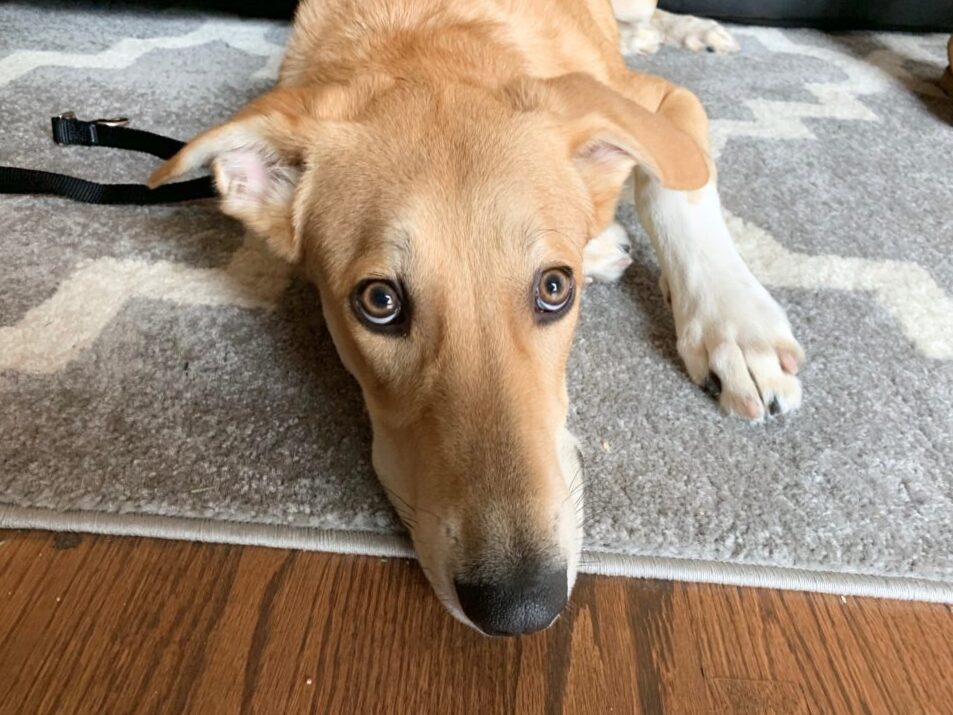
It is important to recognize that although we love our pets and often think of them as perfect, they may behave differently in an unfamiliar environment or in an environment where they have had previous negative experiences. So, if you take your dog to the vet, let him explore the environment, obviously on a leash and only if he wants to. Make sure you have his favorite treats with you, pet him, and talk to him calmly and kindly during his stay.
On the other hand, even if the four-legged friend is generally friendly, stress can lead to some aggressive behavior. It is important to keep an eye on him, especially if he goes around with other animals or other people, so as not to raise his voice and give him all the love this not very talkative friend deserves.
Wait and accept the doctor’s diagnosis
If you arrive at the vet with a quadruped that shows visible symptoms of any pathology, wait for the vet’s tests and checks and avoid internet searches. While the Internet is full of helpful information about pet care, not all of it is reliable and can lead to unreasonable expectations. Such incorrect research can generate unnecessary anxiety, which not only affects you, but can also compromise the well-being of your four-legged friend. You agree that he will feel your stress from the first moment, right? The best thing you can do is allow your veterinarian to perform a complete physical exam and make the correct diagnosis without making premature assumptions about the pet’s health. Of course, once you have the diagnosis, don’t hesitate to ask for details and clarifications until you are sure you understand everything.
Use a leash, no exceptions
It is essential to keep a leash when going to the vet. Even if you have a good dog, you cannot predict his reactions in unfamiliar situations, just as you cannot predict the possibility that another agitated or frightened dog will react negatively to the presence of your four-legged friend.
Use a suitable cage or carrying bag
Especially if your four-legged friend is anxious or more sensitive, both for your sake and for his safety, it is advisable to use a carrier or cage. Often the transport crate offers a sense of peace to the animal, as many stressed animals feel safe in an enclosed space, while still being protected from other pets. It is important to choose a suitable cage for your pet and habituate it regularly at home to avoid negative associations with visits to the vet.
Make an appointment in advance
To avoid long wait times, which can lead to unnecessary stress for your pet, make an appointment for a specific time. It is important that once the appointment is made you provide all the essential information about the dog’s health. Please provide his name, breed, age, whether or not he is neutered, his current health status, symptoms and medical history, if applicable.
Also, don’t forget to ask if you need to bring certain stool or urine samples for a complete analysis.
Bring your dog’s favorite toy or blanket with you
Before leaving home, don’t forget to bring with you an object that gives him the comfort and tranquility of home, such as his blanket or his favorite toy. These familiar objects can help your dog feel more relaxed and comfortable in an unfamiliar environment.
Last but not least, once you get home from the vet, it’s a great idea to reward your dog with food, treats, or his favorite activities. This not only gives them a reward for their behavior, but also helps create a positive association with visits to the vet.
Conlusion
Visits to the veterinarian are an essential part of responsible pet care, even though they are not always pleasant for our animals. While a few pets may tolerate these trips calmly, most experience stress, anxiety, or discomfort during the process. From unfamiliar smells and sounds to physical examinations and medical procedures, the veterinary clinic can be an overwhelming environment for many animals. Despite this, these visits play a crucial role in maintaining their health and ensuring they live long and comfortable lives.
Pets often do not understand why they are being taken to the veterinarian or why they must undergo examinations, vaccinations, or treatments. For them, the experience may feel confusing or even frightening. This is why it is important for pet owners to approach veterinary visits with patience and preparation. By taking steps to reduce stress before, during, and after the visit, owners can help make the experience less intimidating for their furry companions.
Preparation begins at home. Getting pets used to carriers, car rides, and gentle handling can help them feel more comfortable when the time for a veterinary visit arrives. Allowing a pet to explore its carrier ahead of time or associating it with positive experiences, such as treats or toys, can reduce the anxiety associated with travel. Calm and reassuring behavior from the owner also plays a significant role, as animals are highly sensitive to human emotions.
During the visit, maintaining a calm attitude and offering reassurance can help pets feel safer. Speaking softly, bringing familiar objects such as a favorite blanket or toy, and rewarding calm behavior with treats can make a noticeable difference. Many veterinary clinics also strive to create pet-friendly environments that help reduce stress and make animals feel more comfortable.
After the appointment, giving pets time to relax and recover from the experience is equally important. Offering affection, quiet time, and positive reinforcement can help them associate the visit with care rather than fear. Over time, repeated positive experiences can help reduce anxiety related to veterinary appointments.
Ultimately, veterinary visits are a necessary part of ensuring the health and well-being of our pets. Although animals may not understand the purpose of these appointments, they benefit greatly from the preventive care and treatments they receive. By preparing carefully and approaching each visit with patience and compassion, pet owners can help make the experience more manageable for their pets. In doing so, they support not only their animals’ physical health but also their emotional comfort and trust.
latest posts published

Diabetes in dogs and cats

Car travel with pets: prepare for the journey

7 questions to consider when you want to get a dog
How to protect your pet on hot summer days

Domestic dangers for dogs | Here are the most common household risks for dogs

The best Julius K9 harnesses and leashes for fun summer days
Common diseases of cats. Causes and symptoms

How to take care of your four-legged friend during the holidays
How to help your dog deal with the fear of driving?
