

Parasites can live on or inside our pets. Their numbers are alarming and pose a significant threat to our health and the health of our four-legged friends. But how much do you know about the different types of parasites and the harm they cause?
Do parasites live inside the body or on the skin? Where do the parasites in dogs and cats live?
Parasites in cats (and dogs) can be divided into two main categories: internal parasites and external parasites. Scientifically, they are called endoparasites and ectoparasites, respectively.
Internal parasites that live inside animals are primarily worms. Examples include tapeworms, roundworms, hookworms, nematodes, and filarial worms.
Healthy pets with only a small number of internal parasites may not show any symptoms. However, internal parasites can cause a wide variety of problems, from intestinal and fur issues to serious illnesses and even sudden death, such as heartworm disease. Some common cat internal parasites are zoonotic and can also infect humans.
Speaking of external parasites: Some of the most common ones
Ticks, mites, and fleas are some of the external parasites we should be wary of in cats. Let’s take a brief look at them and the dangers they pose.
Sandflies are common in Southern Europe. They transmit a single-celled parasite that causes leishmaniasis. Sandflies are a serious, even potentially fatal, problem for dogs, and they can also infect humans. Did you know? While sandflies are primarily found in Southern Europe, they have recently been discovered in more northern countries like Germany.
Ticks are a group of blood-feeding external parasites, comprising at least a dozen different species. Among the most common tick species in Europe are the most widespread common tick; the grass tick, which transmits many serious diseases; and the canine tick, the only tick that can breed indoors. These parasites, belonging to the same group as spiders, are particularly dangerous because they can transmit diseases such as Lyme disease to humans and pets. In many parts of Europe, including parts of Europe, the seasonality of fleas is decreasing and may soon become a year-round threat. Parasitologist Christina Struber comments:
Fleas are tiny, wingless, blood-sucking insects with flattened bodies. Their powerful legs allow them to leap distances up to 160 times their body length! Fleas are widespread throughout Europe, except in the highest altitudes of Northern Europe and the Alps and Pyrenees. These parasites are common on cats, dogs, and small pets, and even birds are not immune. Fleas cause itching and scratching. Fleas also bite humans, which is particularly concerning because they can transmit dangerous diseases such as Bartonella or cat scratch disease to both humans and animals. These parasites can cause considerable inconvenience to pets and their owners and can damage the relationship between humans and animals.
Because fleas are very easy to live indoors, they can infest an entire house and are difficult to eradicate. In fact, only adult fleas infest animal fur. They spend 95% of their lives as larvae, hiding in various corners of the house. For safety, we recommend checking for fleas annually.
Mites are another type of external parasite that causes mange in pets and humans. In most cases, they cause skin damage of varying degrees. Mites can appear anywhere on a pet’s skin, but some species specifically infest certain areas, such as the ears.
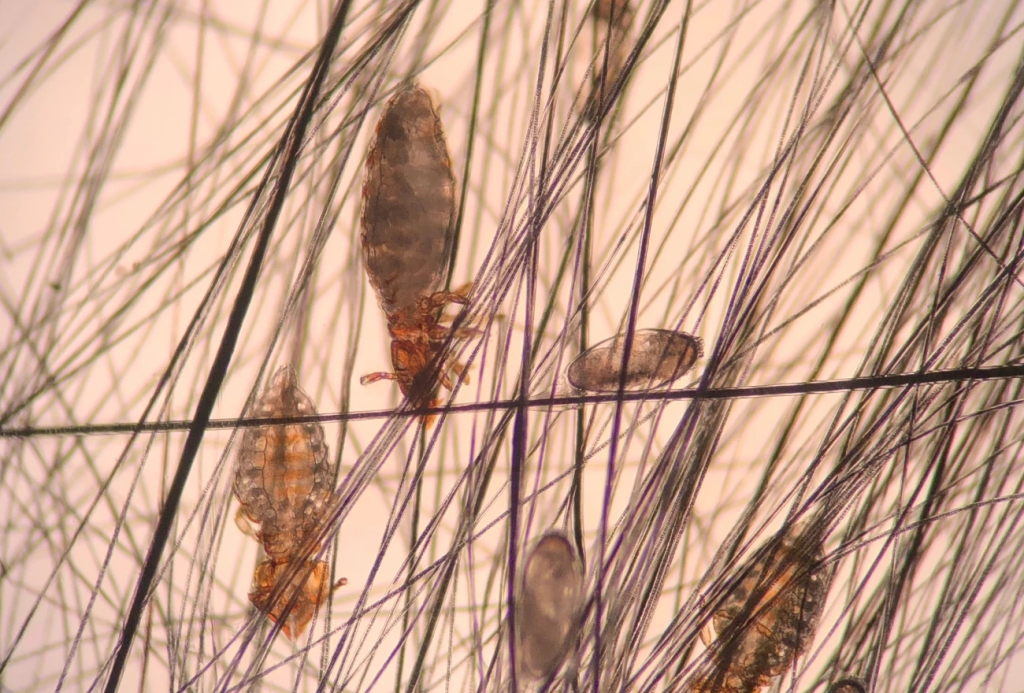
Lice come in two types: blood-sucking lice and biting lice. The first bite is for blood, and severe infections can even lead to anemia. Severe bite lice infections can cause skin damage. Additionally, some lice can transmit tapeworms.
Protecting Your Dog and Cat from Parasites
Understanding the risks posed by parasites is the best way to protect the health of your dog and cat.
First, watch animal expert Ute Mackenstadt’s video to learn about the unexpected places ticks can hide.
For more information on the risks to pets, the increasing risks of rising global temperatures, and how to protect your pet, please see our pest control guide.
Conclusion
Parasites are a common health problem for cats and dogs. Understanding the different types of parasites is crucial for responsible pet ownership. Parasites are generally divided into two main categories: internal parasites and external parasites. External parasites, such as fleas or ticks, live on the surface of the body; while internal parasites live inside the body and can infect various organ systems. Because the effects of internal parasites are not always immediately apparent, they are often more difficult to detect.
Internal parasites typically include various worms, such as tapeworms, roundworms, hookworms, pinworms, and filarial worms. These parasites infect internal organs or tissues, feeding on the host’s nutrients. Although pets may appear healthy in the early stages of infection, even a small number of internal parasites can lead to health problems if left untreated. Because these parasites live inside the body, they are often difficult to notice until symptoms become more pronounced.
In many cases, pets with low levels of internal parasite infection do not show obvious symptoms. However, as the number of parasites increases, various symptoms will gradually appear. These symptoms include digestive problems, weight loss, dull hair, fatigue, and general malaise. In more severe cases, some parasites can cause serious illness and damage vital organs. A well-known example is heartworm infection, which can lead to serious cardiovascular problems and, if left untreated, life-threatening complications.
Another important aspect is the potential risks parasites pose to humans. Some common cat and dog parasites are zoonotic, meaning they can be transmitted from animals to humans. Therefore, preventing parasite infections is not only a way to protect pets but also an important step in maintaining human health. Families with young children or people with weakened immune systems should pay particular attention to maintaining good hygiene habits for their pets and taking them to the vet regularly.
For these reasons, regular parasite prevention and regular veterinary visits are crucial for responsible pet owners. Preventative treatment, good hygiene, and monitoring of pet health can significantly reduce the risk of parasite infections. By understanding internal parasites and their potential impact, pet owners can proactively take steps to ensure their pets’ health and well-being. Ultimately, prevention and early detection are the most effective ways to control parasites and maintain the well-being of both pets and their owners. 🐾
latest posts published

Diabetes in dogs and cats

Car travel with pets: prepare for the journey

7 questions to consider when you want to get a dog

How to protect your pet on hot summer days

Domestic dangers for dogs | Here are the most common household risks for dogs

The best Julius K9 harnesses and leashes for fun summer days

Common diseases of cats. Causes and symptoms

How to take care of your four-legged friend during the holidays

How to help your dog deal with the fear of driving?
