

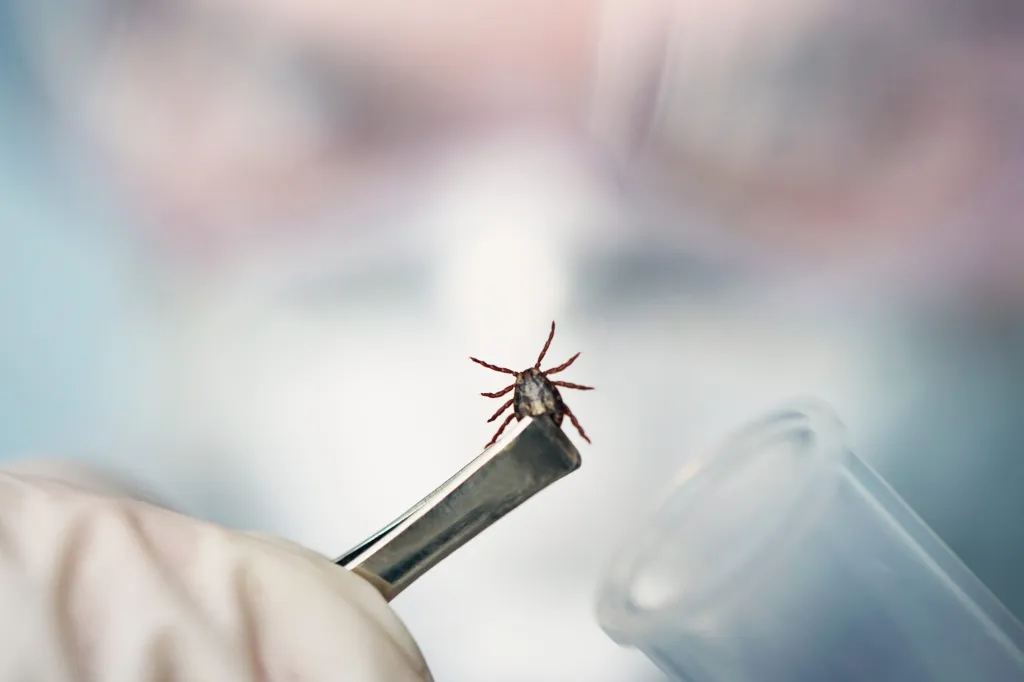
Known as zoonoses or zoonotic diseases, they are caused by a wide range of microscopic parasites such as tiny worms or bacteria and are transmitted from animals to humans through external parasites, insects or ticks, also known as vectors.
This is a particularly worrying situation because it can have negative repercussions on family members, whether two or four-legged.
How serious is this threat?
Globally, they are 1.3 million new cases of leishmaniasis every year.
Only in Europe, I pass 360,000 cases of Lyme disease have been reported in the last twenty years.
The World Health Organization estimates that more than half of the world’s population is at risk of diseases transmitted by external parasites, many of which are zoonotic.
And as temperatures rise across the planet, insects, ticks and other animals that transmit zoonotic diseases are spreading into new areas, threatening the health of dogs, cats and people.
Leishmaniasis
Caused by a microscopic protozoan parasite and transmitted by vectors such as sandflies, leishmaniasis affects dogs, cats and humans. The disease can cause multiple organ failure and skin damage. Sand midges are widely distributed in southern Europe.
protection
Also known as piroplasmosis, this disease is caused by certain protozoa spread by some ticks. Even though the protozoan that causes piroplasmosis in dogs is not the same as the one that causes it in humans, more ticks mean a greater risk for everyone!
Dirofilariasis
Heartworm disease is caused by tiny heartworms and is transmitted by mosquitoes. Heartworm disease can cause heart failure in dogs and cats and lung problems in humans; it is particularly widespread in southern Europe. Another type of heartworm affects the skin of dogs, cats, and humans; reached the Baltic Sea.
Ehrlichiosis
The main symptom of ehrlichiosis in dogs and cats is anemia. It is a disease caused by a bacterium and is transmitted by ticks. Ticks are found in southern Europe.
Lyme disease
Lyme disease or Lyme disease is a tick-borne bacteriosis. The vector is widespread throughout Europe. It is a serious condition in humans, manifested by fever, skin rashes, muscle and joint problems, and neurological conditions.
Bartonellosis
Also known as “cat scratch disease”, bartonellosis is caused by a bacterium and is transmitted by cat fleas; we find it all over the world. Bartonellosis can be fatal for some people, especially those who are immunocompromised. Symptoms include fever, swollen lymph nodes, and inflammation of the eyes, gums, and heart. Protecting pets from fleas year-round can prevent the spread of bartonellosis to humans.
A growing threat
There are approximately 1,500 known infectious diseases in humans, of which approximately 60% are zoonotic. Some of them are new, while others already exist, but are becoming more common due to geographic migrations and people settling in new areas and being exposed to these species for the first time.
As an example of the spread of zoonoses, the following video explains the incidence of new parasites observed in Central Europe.
Information is essential for animal protection
An expert veterinarian is your pet’s best ally against the threat of zoonoses. And since these diseases also affect people, a professional who is knowledgeable in pet care and effective year-round pest control can have a positive impact on the health of the entire family.
But as responsible pet owners, we must take responsibility for staying up to date with the latest and most reliable information.
To get expert advice on protecting your pet and your family from zoonoses, sign up to our free newsletter.
Conclusion
Zoozonal diseases, also known as animal-borne diseases, pose a significant health problem because they can be transmitted from animals to humans. These diseases are caused by a variety of microorganisms, including parasites, bacteria, and sometimes viruses, which can spread between different species in multiple ways. In many cases, transmission occurs through ectoparasites such as fleas, insects, or ticks, which act as vectors, transferring pathogens from one host to another. Because pets and humans often share the same environment, addressing the potential for transmission through education and preventative measures is particularly important.
One of the biggest challenges facing zoozonal diseases is that they are not always immediately apparent. Animals may carry parasites or pathogens without showing obvious symptoms. This means that pet owners may not be aware of the potential health risks. Meanwhile, the pathogens that cause these diseases can continue to spread through vectors or environmental factors. The fact that some infections are often asymptomatic underscores the importance of preventative measures and regular veterinary checkups.
Ectoparasites such as ticks and insects play a key role in the transmission of many zoonotic diseases. These vectors feed on animal blood, transmitting harmful microorganisms in the process. Once infected, they can transmit these pathogens to other animals or humans they come into contact with. Therefore, controlling external parasites is one of the most effective ways to reduce the risk of zoonotic disease transmission within households and communities.
Zoonotic diseases are of particular concern for households with pets, as both humans and animals may face the same environmental risks. Children, the elderly, and those with weakened immune systems are more susceptible to certain diseases. Therefore, maintaining good hygiene, regularly vaccinating pets against parasites, and keeping the living environment clean are important measures to protect all family members.
Ultimately, understanding zoonotic diseases is a crucial step in promoting the health and well-being of both humans and animals. Responsible pet ownership, regular veterinary checkups, and effective parasite control strategies can significantly reduce the risk of transmission. By accessing information and taking proactive measures, families can continue to enjoy the companionship of their pets while minimizing the potential health risks posed by zoonotic diseases. Therefore, prevention is the most effective way to ensure a safe and healthy environment for every member of the family, whether bipedal or quadrupedal. 🐾
latest posts published

Diabetes in dogs and cats

Car travel with pets: prepare for the journey

7 questions to consider when you want to get a dog

How to protect your pet on hot summer days

Domestic dangers for dogs | Here are the most common household risks for dogs

The best Julius K9 harnesses and leashes for fun summer days

Common diseases of cats. Causes and symptoms

How to take care of your four-legged friend during the holidays

How to help your dog deal with the fear of driving?
