

Pets hold a special place in our lives, bringing joy, comfort and unconditional love every day. For many of us they are more than just animals: they are members of our family, trusted companions and loyal friends. That’s why we want to offer them the best possible care to ensure they live a long, healthy and happy life.
Caring for pets is a long-term responsibility and access to quality veterinary services is essential to their well-being. Whether you have a dog, cat, or other nonverbal friend, these veterinary services are essential to keeping your furry friend healthy and happy.
Here are the essential veterinary services for a pet
1. Routine consultations and examinations
Periodic consultations are the foundation of good veterinary care. These include:
Physical exams:
During the physical examination, the veterinarian evaluates the general health of the animal. The exam may include:
⮞ Weight: Monitor your pet’s weight for obesity or unexplained weight loss, which could be signs of underlying conditions.
⮞ Fur and leather : Check the condition of the coat and skin for parasites, irritations, infections or other dermatological problems.
⮞ Teeth and gums : Oral health assessment to prevent or treat dental disease.
⮞ Ears and eyes : Check your ears and eyes for infections, irritation, or excessive wax buildup.
⮞ Joints and muscles : Test joint flexibility and muscle tone for signs of arthritis or other orthopedic conditions.
⮞ Heart and lungs : Listen to your heartbeats and breathing to detect heart murmurs, arrhythmias, or other possible breathing problems.
Medical history discussions:
The animal’s medical history is a crucial element in evaluating its health status. Any recent changes in behavior, diet, or activity level should be discussed with your veterinarian so he or she can identify potential problems.
⮞ Behavioral changes such as lethargy, aggression or anxiety, can be signs of health problems or stress.
⮞ Appetite fluctuations or changes in food preferences may indicate digestive problems or systemic disease.
⮞ Decreased physical activity it can be a symptom of joint pain, obesity or heart disease.
⮞ Changes in the frequency or appearance of urine and stools may signal kidney, liver or digestive disorders.
Depending on the breed, age and general condition of the quadruped, at least an annual exam is ideal. Once your pet gets older, you may need to visit the vet more often, depending on recommendations.
2. Mandatory vaccines
Vaccines are a crucial component to keeping pets healthy, protecting them from serious and potentially fatal diseases. Timely administration of vaccines and compliance with the vaccination schedule recommended by your veterinarian can prevent a series of infectious diseases that could jeopardize the life of your silent friend.
Essential vaccines for dogs
Dogs are susceptible to numerous infectious diseases that can be prevented by vaccination. Here are the essential vaccines for dogs:
⮞ Anger
⮞ Parvovirus
⮞ Infectious hepatitis (canine adenovirus)
⮞ Leptospirosis
⮞ Kennel cough
⮞ Carré’s disease (Jigodia)
Essential vaccines for cats
Cats are also susceptible to a variety of vaccine-preventable infectious diseases. Here are the essential vaccines for cats:
⮞ Feline panleukopenia (feline ringworm)
⮞ Feline cold
⮞ Feline rhinotracheitis (feline herpes virus)
⮞ Anger
⮞ Feline leukemia (FeLV)
⮞ Feline infectious peritonitis
Your veterinarian can recommend a personalized program based on your pet’s age, breed and medical history.
3. Antiparasitic treatment
Internal and external parasites can seriously affect the health of pets. Not only can they cause discomfort and irritation, but they can also carry serious and deadly diseases. This is why it is essential to follow a regular program of pesticide treatments to prevent infestations.
External deworming
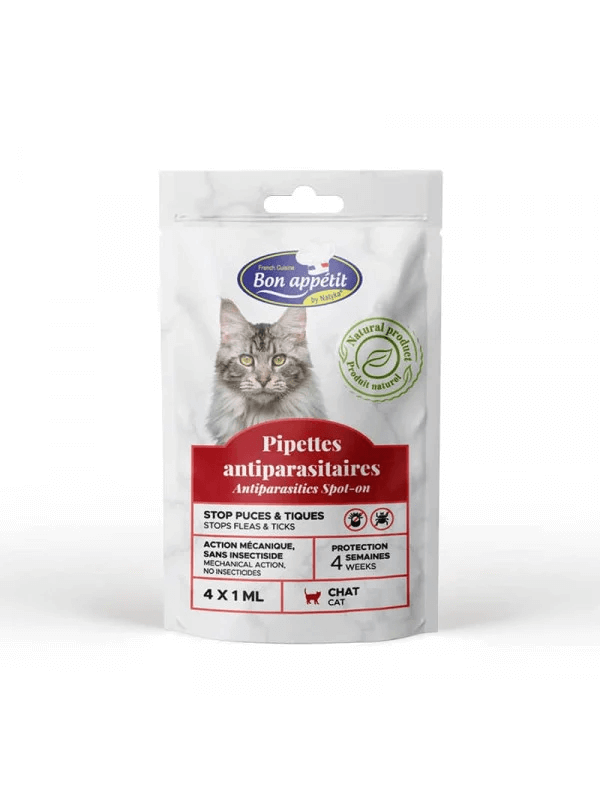
External parasites live on the animal’s skin or fur and can be detected more easily than internal parasites. Common external parasites include: fleas, ticks, mosquitoes. Depending on your preferences, the following can be used as anti-parasitic solutions for external parasites:
⮞ Anti-parasitic pipettes
⮞ Anti-parasitic collars
⮞ Pesticide sprays.
Internal deworming
Internal parasites live in the animal’s body, usually in the digestive tract or blood, and can cause serious health problems. Common internal parasites include: intestinal worms, heartworms, roundworms, tapeworms, whipworms, tapeworms. Depending on your preferences, the following can be used as anti-parasitic solutions for internal parasites:
⮞ Anti-parasitic tablets
⮞ Oral solutions
⮞ Chewable tablets.
It is important to follow a regular deworming program to prevent infestations and maintain your pet’s health.




4. Veterinary dentistry
Oral hygiene is often overlooked, but it is just as important for pets. Pet dental services include:
⮞ Descaling: Removal of bacterial plaque and tartar.
⮞ Polishing and brushing : To prevent further plaque buildup.
⮞ Excerpts: If a tooth is severely damaged.
5. Spay/neuter
Sterilization (for females) or neutering (for males) prevents:
⮞ Overpopulation: Reducing the number of unwanted chickens.
⮞ Medical conditions: Uterine infections, testicular cancer, breast tumors.
⮞ Unwanted behaviors: Territorial marking, aggression, escape in search of a mate.
Always talk to your vet about the right time for this procedure, which is usually between 6 and 12 months.
Regular check-ups, vaccinations, deworming and dental care are the cornerstones of a complete care plan designed to ensure our non-speaking friends live a healthy and happy life. By taking care of their health, we give them the opportunity to reward us every day with their unconditional love and joyful moments.
Make sure your pet gets the attention, care and affection it deserves, and it will reciprocate!
latest posts published

Diabetes in dogs and cats

Car travel with pets: prepare for the journey

7 questions to consider when you want to get a dog
How to protect your pet on hot summer days

Domestic dangers for dogs | Here are the most common household risks for dogs

The best Julius K9 harnesses and leashes for fun summer days
Common diseases of cats. Causes and symptoms

How to take care of your four-legged friend during the holidays

How to help your dog deal with the fear of driving?
