

Is your dog a flea magnet? There’s at least one other creature in the world that loves your dog just as much as you do: fleas. Fleas will do almost anything to stay with your dog. They love to glide their shiny little bodies through your dog’s fur, cling tightly to your skin, bite and suck blood, and stay there for as long as possible.
Given the opportunity, fleas can lay up to 50 eggs a day, knowing they can raise their offspring in your home.
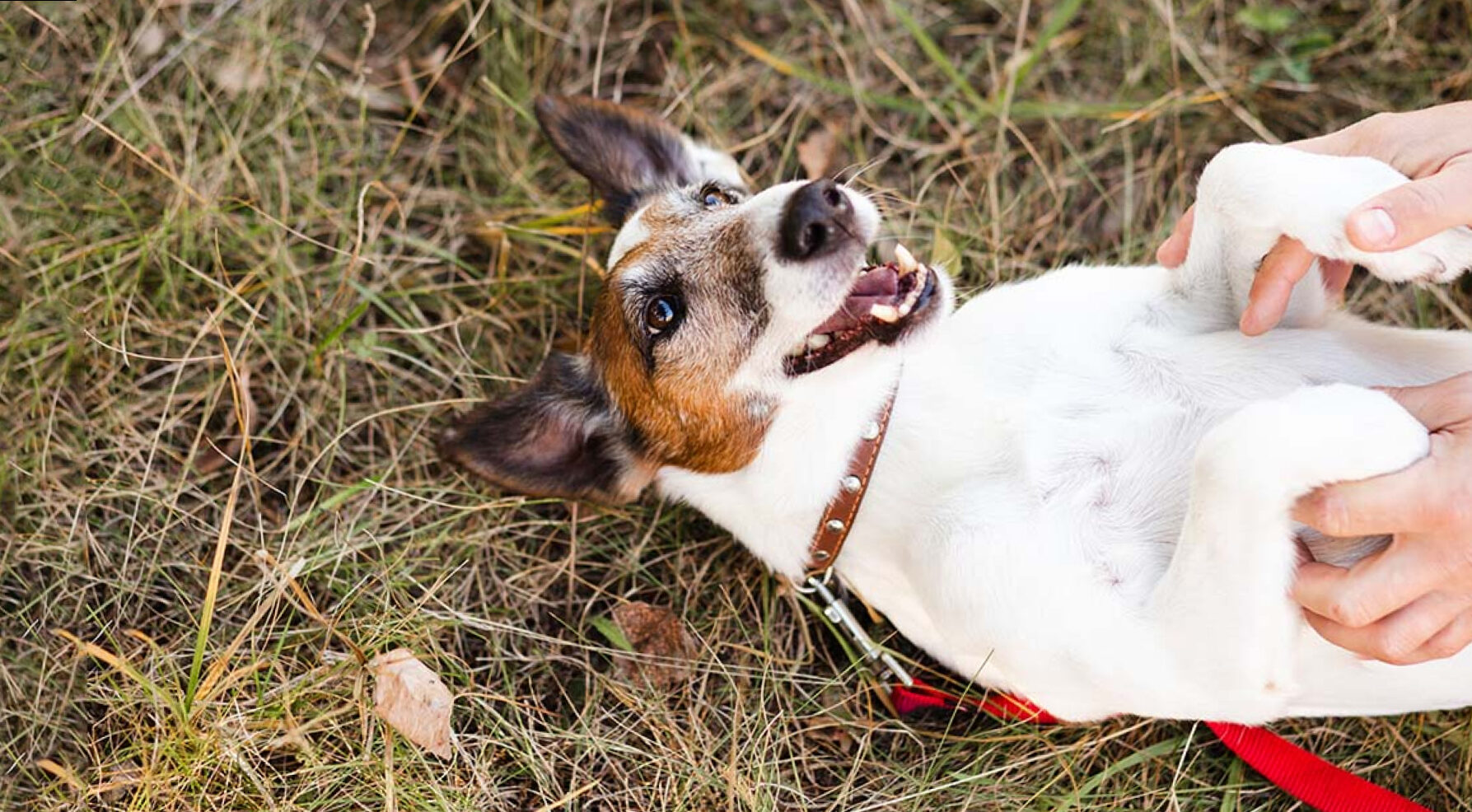
While all dogs can get fleas 365 days a year, some dogs seem more susceptible than others. It turns out that fleas’ attraction to dogs is conditional; that is, under certain conditions, fleas have a higher chance of survival.
First, fleas thrive in warm, humid environments—indoors and outdoors, especially on dogs. Fleas are not a seasonal pest. They are active as long as the ambient temperature remains between 21–30 °C (70–86 °F) and the humidity is above 50%, which is optimal.
This means that in areas with warm, humid climates year-round, fleas are active both indoors and outdoors. However, in regions with distinct seasons, fleas may be more active indoors than outdoors at certain times of the year.
While every dog can provide the warm environment fleas prefer, not every dog can generate the same level of humidity. For example, dogs can only sweat through sweat glands on their paws. If they lick or scratch excessively, their skin will feel damp and cold, and some dogs do do this, especially after being bitten by fleas.
Flea bites leave small, hard wounds that are itchier than fly bites. Many dogs are allergic to the saliva released when fleas bite. Dogs allergic to flea bites tend to lick, scratch, and bite themselves more frequently than other dogs.
When dogs try to relieve the itching caused by flea bites, they inadvertently create ideal conditions for fleas to breed.
Adult fleas like to hide in dark corners on a dog’s body, while flea larvae prefer dark places in the home.
White or silver-haired dogs are more likely to have smaller, black fleas than dark brown or black-haired dogs. Once a flea jumps onto a dog, it immediately burrows deep into the fur, down to the skin, where it feeds on blood and lays eggs.
Long-haired dogs provide optimal protection for fleas, making it easier for them to thrive under the skin and fur. However, it’s important to note that any dog can get fleas. Fleas prefer to hide in dimly lit places such as under the paws, on the neck, around the ears, and on the tail.
Think of dogs with long, drooping ears or tails curled over their backs. These breeds have easier hiding places compared to dogs with short, erect ears or short tails.
In short, some fleas do have a preference for certain breeds. Indeed, just as some people are more prone to mosquito bites than others, some dogs are more prone to fleas than others.
You might admit that there’s a reason you love your dog—maybe it’s the way it jumped into your lap when you first met, or the way it wagged its tail to greet you—perhaps it was love at first sight?
Fleas are undoubtedly attracted to three things: warmth, carbon dioxide, and vibration. They’ll jump onto your dog instantly. If you want to protect your dog and avoid providing an ideal habitat for fleas, be sure to choose a flea control product with long-lasting efficacy to thoroughly eliminate flea larvae from carpets and furniture.
Effective and consistent treatment can take up to three months to completely eradicate fleas from your home. Your veterinarian can help you develop a simple, year-round treatment plan.
Conclusion
Fleas are a common problem for dog owners. Understanding the conditions that allow fleas to breed and reproduce is crucial for effective prevention and control. While some dogs may appear more susceptible to fleas than others, environmental factors actually play a vital role in flea activity and survival. Every dog can be infested with fleas year-round, especially when environmental conditions are favorable for these parasites.
One of the most important factors influencing flea populations is climate. Fleas prefer warm, humid environments, which provide ideal conditions for their growth, development, and reproduction. In conditions with temperatures between 21 and 30 degrees Celsius (70 to 86 degrees Fahrenheit) and humidity above 50%, fleas can reproduce rapidly and establish stable populations. These conditions are common in both indoor and outdoor areas where dogs frequently spend time. Therefore, flea activity is not limited to a specific season; under suitable climatic conditions, they can be active year-round.
In areas with warm, humid climates year-round, fleas can survive undisturbed both indoors and outdoors. Dogs in these areas are constantly at risk of flea infestation, making ongoing preventative measures particularly important. Regular grooming, using veterinarian-recommended flea treatments, and maintaining a clean living environment are key steps in reducing the risk of flea infestations in pets.
In areas with colder winters or greater temperature fluctuations, outdoor flea activity may temporarily decrease, but the risk is not entirely eliminated. Indoor spaces typically provide the warmth and humidity necessary for fleas to survive and complete their life cycle. Even with unfavorable outdoor conditions, homes with heating, carpets, bedding, and upholstered furniture can easily become ideal habitats for fleas.
For dog owners, this means flea prevention should be a year-round effort, not just a seasonal one. Regularly checking your dog’s coat, maintaining good hygiene, and using preventative medications can significantly reduce the risk of flea infestations. By understanding how environmental conditions affect flea survival, pet owners can actively contribute to protecting their dogs and creating a healthier living environment.
Conclusion
Fleas are one of the most common parasites in dogs, and if left unchecked, they can quickly escalate from a minor annoyance into a serious problem. These tiny insects are highly adaptable and resilient. They can survive in a variety of environments and constantly seek warm hosts like dogs. Once they find a suitable host, fleas attach themselves to the host’s fur, feed on blood, and reproduce rapidly. Therefore, flea infestations are difficult to control if not treated promptly.
Although fleas are small, the discomfort they cause in dogs can be quite severe. Flea bites typically cause intense itching, skin irritation, and restlessness. Dogs with fleas may excessively scratch, bite, or lick themselves to relieve the itching. Over time, this behavior can lead to hair loss, skin inflammation, and even potentially infected open wounds. In some cases, dogs may also develop an allergic reaction to flea saliva, known as flea allergy dermatitis.
Fleas are not only annoying but also pose other health risks. These parasites can transmit other pathogens, including certain types of worms and bacteria, which can negatively impact a dog’s health if left untreated. Therefore, preventing flea infestations is a crucial part of a dog’s overall health.
Effective flea control involves treating your dog and managing their living environment. Veterinarian-recommended flea treatments, such as drops, tablets, or special collars, can help eliminate fleas and prevent reinfection. Regular brushing and thorough grooming also help detect fleas early and prevent them from multiplying.
Keeping your dog’s living area clean is equally important. Fleas often lay eggs in blankets, carpets, and furniture, and these eggs can continue to develop even after the adult fleas on your dog have been treated. Frequent cleaning, washing blankets, and vacuuming floors can significantly reduce the risk of reinfection.
To protect your dog from fleas, consistent care and attention are essential. Through preventative measures and a prompt response to signs of flea infestation, pet owners can ensure their dog’s health. With proper treatment and regular checkups, fleas can be effectively controlled, allowing dogs and families to enjoy a happier, more itch-free life.
latest posts published

Diabetes in dogs and cats

Car travel with pets: prepare for the journey

7 questions to consider when you want to get a dog

How to protect your pet on hot summer days

Domestic dangers for dogs | Here are the most common household risks for dogs

The best Julius K9 harnesses and leashes for fun summer days

Common diseases of cats. Causes and symptoms

How to take care of your four-legged friend during the holidays

How to help your dog deal with the fear of driving?
