
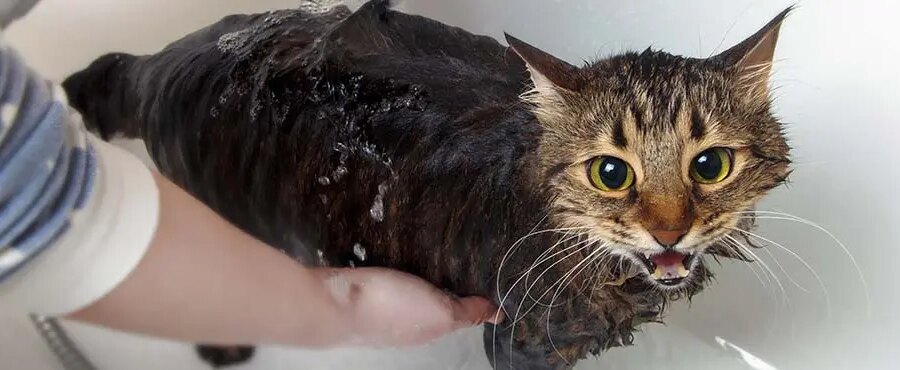
It is well known that cats have an aversion to water. However, this is not true for all cats. Some big cats, such as tigers, routinely enter water to cool off, and there are even some domestic breeds that are known to enjoy a swim every now and then.
However, in most cases, most house cats will do their best to avoid getting wet. Feline behavior experts have developed a few theories to explain cats’ stormy relationship with water.
Evolution
One theory as to why cats don’t like water so much suggests that because the species evolved in dry climates, they weren’t exposed to water from rivers or lakes. Aside from drinking water, felines didn’t see much water, and as they evolved, water continued to be an element they were unfamiliar with, so much so that to this day cats instinctively avoid water.
The nose knows it
Your cat has an incredibly developed sense of smell, which is not only used to sniff out prey, enemies and friends, but which is also essential to his sense of direction.
The cat’s smell is emitted by the glands on its head and this helps it find places that are familiar to it. If a cat gets wet, its body odor temporarily disappears. Once dried, the cat will lick all over its body to restore its scent.
All about fur
The main reason cats don’t like getting wet is the effect of water on their fur. Cats spend much of the day grooming themselves. In fact, they are downright persistent when it comes to grooming!
However, wet fur is extremely uncomfortable and, due to the nature of your cat’s fur, takes a long time to dry. Furthermore, wet fur is heavier than dry fur and your cat becomes less agile, slower in movement, and this affects its natural instinct to run when it feels threatened.
The shock factor
Whether the water is hot or cold, most cats react negatively to the water, as if in shock. And if your cat accidentally falls into the bathtub full of water, it can be a truly terrifying experience, one that will make him fear water for the rest of his life.
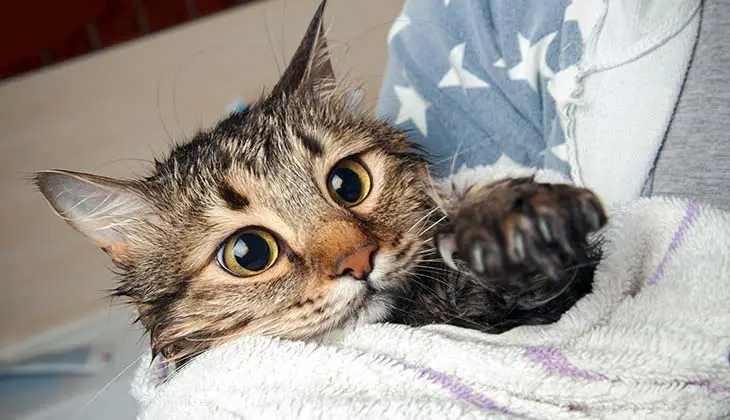
Your cat’s body temperature also contributes to his discomfort. When your cat’s fur is wet, his body temperature will drop relatively quickly. This is because both the fur and the skin have a heat protection function that only works properly when the fur is dry.
But what would a hot bath be like?
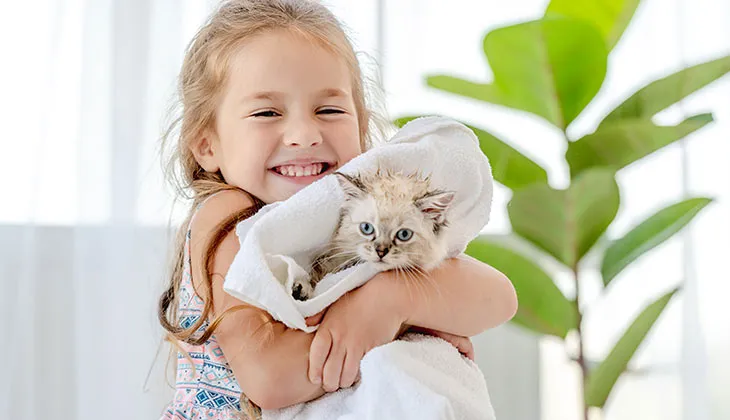
Cats clean and maintain their fur very well. Your water-fearing cat should not be bathed or bathed unless there is a serious reason, and only in the most severe cases is a full bath really necessary.
If you need to wash your kitten, start accustoming him to the washing process in small steps. Be patient, start slowly and wisely. If your cat shows signs of stress, such as purring, meowing and/or panting or breathing heavily, stop and try again in a few hours or the next day.
If all else fails, take your cat to a grooming salon and leave the grooming to the professionals.
Why does my cat play with the faucet?
Although it is a general rule that cats do not like to be submerged in water, many cats seem to enjoy playing with tap water or droplets of water dripping from the tap.
Experts believe that cats are attracted to the movement of water and the sound it makes when it drips, which stimulate the cat’s natural hunting instinct. When only the paws are wet, your cat will be able to accept water more easily.
Do all cats hate water?
Some domestic cat breeds also like to swim occasionally. These breeds include Maine Coon, Bengal, and Turkish Van cats. These cats are generally less afraid of water and are unique in the texture of their fur, which makes them more water resistant than other breeds. These cats also have more skin between their toes, which is helpful when swimming.
As a general rule, it’s best to trust your cat when it comes to watering. Avoiding water seemed to work well for cats and their predecessors as far back as ancient Egypt.
latest posts published

Diabetes in dogs and cats

Car travel with pets: prepare for the journey

7 questions to consider when you want to get a dog
How to protect your pet on hot summer days

Domestic dangers for dogs | Here are the most common household risks for dogs
The best Julius K9 harnesses and leashes for fun summer days
Common diseases of cats. Causes and symptoms

How to take care of your four-legged friend during the holidays
How to help your dog deal with the fear of driving?
